
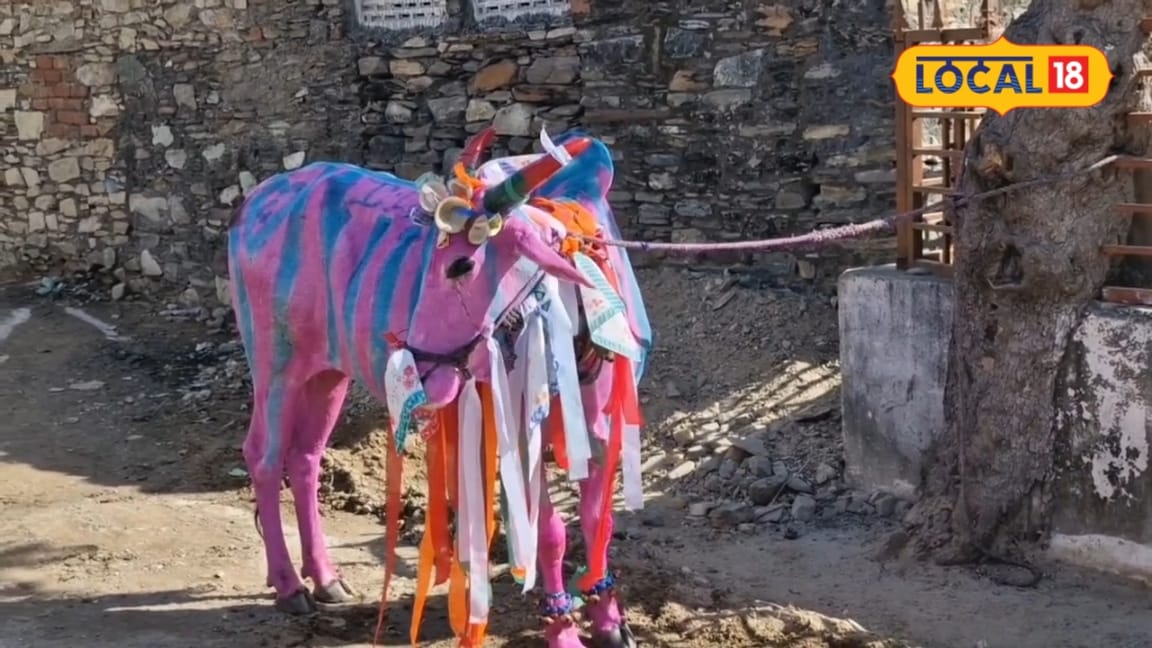
In the Pali district of Rajasthan, an extraordinary and perilous cultural event takes place annually during the Diwali festival season, drawing both fascination and profound concern from observers. Specifically centered in Kanuja village, this practice unfolds on the auspicious day of Govardhan Puja, marking a focal point of local ritualistic expression. The event showcases a stark blend of ancient heritage and extreme physical danger that has persisted across generations within the rural landscape.
Historical accounts and local knowledge trace the roots of this unique practice back approximately 400 years, establishing it as a deeply entrenched component of the region's cultural fabric. Over four centuries, successive generations have maintained the continuity of this event, viewing it not merely as a spectacle, but as a binding communal obligation that preserves ancestral customs. Despite changing societal norms and modern safety awareness, the foundational structure of the ritual has remained remarkably unaltered through the decades.
The mechanics of the event involve a high-stakes scenario where festival participants engage directly with agitated livestock under hazardous conditions. Organizers and participants prepare the bulls by securely tying coconuts and monetary bundles directly to their sharp horns. To instigate the necessary movement and intensity, firecrackers are detonated in close proximity to the animals, startling them and provoking unpredictable, aggressive reactions across the designated arena.
As the frightened and charging bulls stampede through the village grounds, local youths step forward to confront the animals directly. Their objective is to extract the tied coconuts and cash prizes from the thrashing horns while the beasts are in motion. This demands extraordinary agility, split-second timing, and complete disregard for personal safety, as a single misstep can lead to severe injuries from trampling or goring by the provoked livestock.
The reverberations of such rural practices extend far beyond the immediate boundaries of Kanuja village, capturing the attention of communities throughout the broader region, including developing districts such as Kotputli-Behror. While urban centers shift toward regulated festivities, remote settlements preserve these raw historical expressions, creating a complex dialogue regarding cultural continuity, traditional autonomy, and collective community identity in contemporary rural society.
Administrative authorities and civil society organizations frequently monitor such high-risk rural traditions to assess safety protocols and potential hazards to participants and spectators. Balancing the preservation of ancient heritage with the fundamental necessity of human safety remains a delicate challenge for local leaders, law enforcement agencies, and community elders who seek to navigate customary expectations without compromising public welfare.
Looking ahead, the continuation of this 400-year-old tradition at Kanuja village during Govardhan Puja will likely depend on evolving community dialogues surrounding safety measures. As public awareness grows and regulatory scrutiny intensifies, stakeholders face the ongoing task of preserving historical identity while addressing the undeniable physical risks inherent in running alongside startled bulls for festive rewards.
