
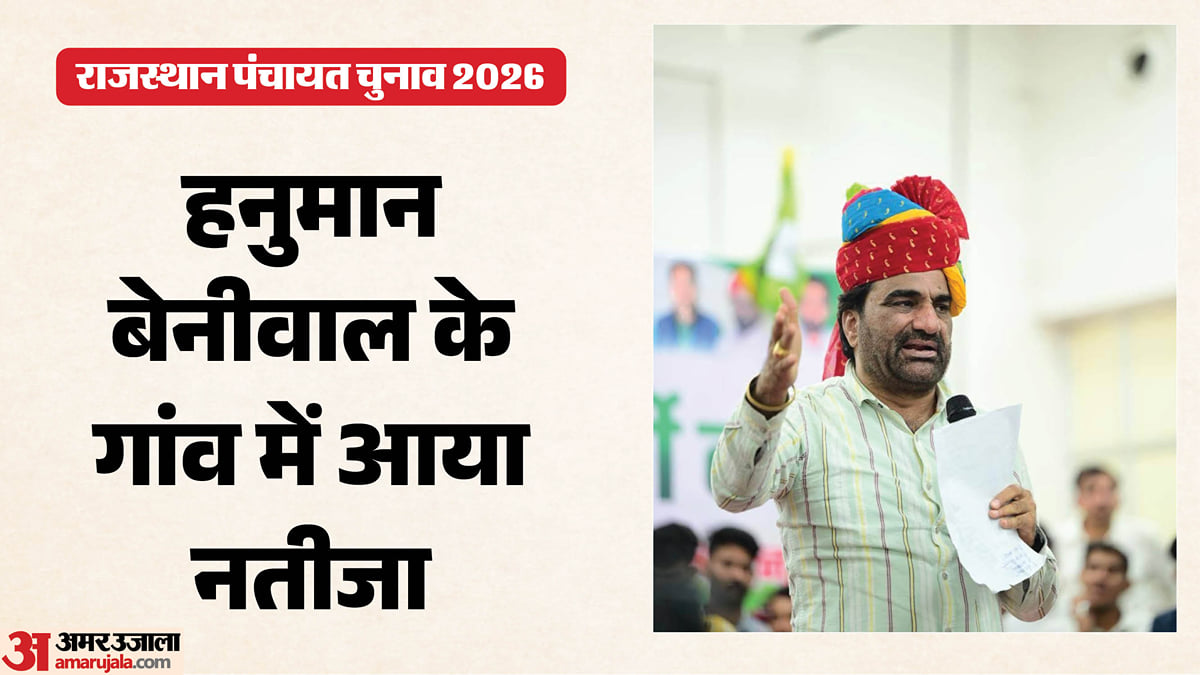
In an exceptionally rare and closely watched electoral battle within the rural landscape of Rajasthan, the Nagaur district witnessed a contest that transcended conventional political rivalries. The village of Barangaon became the focal point of intense political curiosity as two close family members entered the electoral fray for the coveted position of Sarpanch. The candidates in question were none other than the two sisters-in-law of prominent political figure and Rashtriya Loktantrik Party Member of Parliament, Hanuman Beniwal. This unusual family face-off immediately drew the attention of regional political analysts and everyday citizens across the state.
Delving into the background of this remarkable local election reveals a complex dynamic deeply rooted in familial ties and local governance ambitions. The contenders standing for the leadership of Barangaon were not merely political opponents representing differing ideologies, but were bound by blood as biological sisters while simultaneously being members of the same extended household as sisters-in-law, commonly known as deorani and jethani. Such intra-family electoral contests are exceedingly rare, making the electoral proceedings in Barangaon a subject of widespread discussion and fascination throughout the region.
As the campaign progressed toward polling day, the ground reality in Barangaon reflected heightened logistical efforts and immense social stakes. Local residents and community elders closely monitored the campaign trail, noting the distinct nature of a contest where familial relations intersected directly with democratic competition. Specific numerical data emerging from the counting centers highlighted the razor-thin margins and intense public participation characteristic of this election. When the final ballots were tallied, the official results declared that the younger sister-in-law had successfully claimed the mandate.
Stakeholders, local residents, and community leaders expressed a diverse range of perspectives regarding this intra-family electoral battle. While some community members viewed the contest as a healthy manifestation of democratic choice where individual merit superseded familial connections, others noted the inherent complexities of such deeply personal political rivalries. Observers within Barangaon emphasized that regardless of the familial relationship between the candidates, the electorate engaged seriously with the democratic process, evaluating development proposals and administrative capabilities put forward by both sides during the campaign.
The broader regional impact of this high-profile panchayat election extended well beyond the immediate boundaries of Barangaon, resonating across the entire Nagaur district and neighboring administrative zones. Given the high stature of Rashtriya Loktantrik Party leader Hanuman Beniwal, local political dynamics in the area experienced heightened scrutiny from state-level observers. The outcome of this village-level election served as a talking point regarding the influence of prominent political families in grassroots democratic institutions and the shifting equations of rural leadership in Rajasthan.
Administrative authorities and election officials oversaw a peaceful and orderly voting process in Barangaon, ensuring that statutory guidelines and standard operating procedures were strictly adhered to throughout polling and counting. Law enforcement personnel maintained vigilance to prevent any potential unrest, given the sensitivity surrounding a contest involving close relatives of a major political leader. The successful completion of the electoral process underscored the administrative readiness of local governance structures to manage high-stakes grassroots elections impartially.
Looking forward, the newly elected Sarpanch faces significant expectations from the residents of Barangaon concerning local development, infrastructural improvement, and transparent governance. The transition from a fiercely contested election featuring family members to the practical administration of village affairs will require collaborative efforts among community stakeholders. As the newly established leadership assumes office, public attention remains focused on the implementation of local welfare programs and the fulfillment of electoral commitments made to the constituents of Barangaon.
