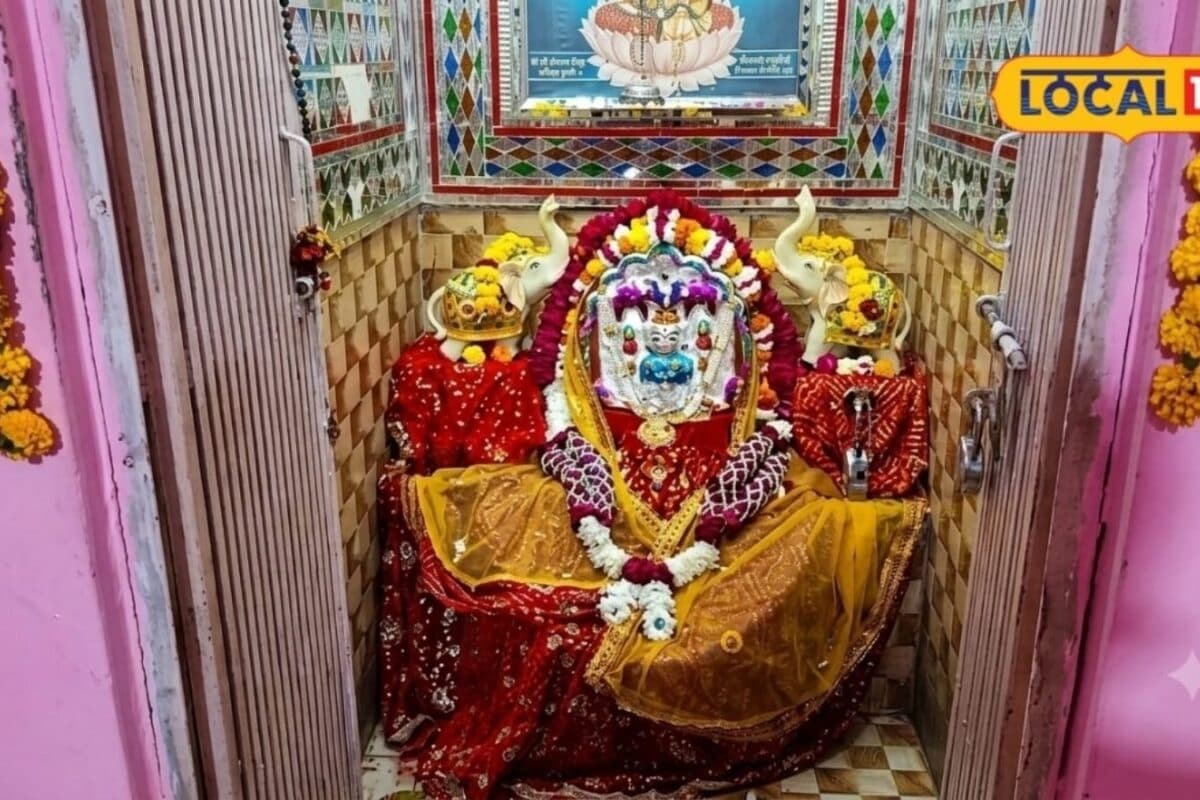
In the historic lanes of Brahmpuri located within Nagaur, the revered Sri Mahalakshmi Temple stands as a magnificent testament to over 400 years of unbroken spiritual legacy and architectural heritage. This sacred shrine has remained a central pillar of community faith, drawing countless devotees who seek divine grace and historical connection within the region. The establishment of this holy site is deeply intertwined with the historical foundation of the Brahmpuri neighborhood itself, marking centuries of continuous devotion.
Delving into the profound history and origins of the temple, historical accounts and local traditions indicate that the shrine was established concurrently with the Brahmpuri locality more than 400 years ago. Generations of families have preserved the sanctity of the temple, passing down sacred customs and maintaining the architectural integrity of the complex. The temple serves as an enduring symbol of the cultural identity of Nagaur, reflecting ancient artistic traditions and deeply rooted religious practices.
At the architectural and spiritual core of the shrine lies the inner sanctum, or garbha griha, housing the ancient idol of Sri Mahalakshmi seated gracefully upon a lotus flower. The sacred four-armed statue exhibits intricate iconographic details, featuring two hands holding sacred pots, a third hand engaged in the symbolic showering of wealth, and a fourth hand poised in a divine blessing posture. Flanking the central deity are sculpted depictions of majestic elephants, traditionally interpreted as performing the ritual ablution or consecration of the mother goddess.
Surrounding the presiding deity within the expansive temple complex are auxiliary shrines dedicated to Lord Ganesha, Bajrangbali, and Garuda, the divine mount of Lord Vishnu. These installations complete the spiritual ecosystem of the sacred site, offering devotees a comprehensive space for worship and veneration. The collective presence of these revered deities underscores the rich mythological framework preserved within the temple boundaries.
The cultural resonance of the Sri Mahalakshmi Temple extends profoundly across the local community, with the Shrimali community holding a deep traditional reverence by recognizing Sri Mahalakshmi as their principal lineage goddess or kuldevi. The community actively participates in the maintenance, rituals, and seasonal observances of the temple, reinforcing social bonds and ancestral ties across generations.
Administrative oversight and traditional management of the temple are conducted through community elders and temple custodians who ensure the seamless execution of daily rituals and major festivals. Measures are continuously taken to preserve the structural antiquities of the shrine while accommodating the growing influx of pilgrims who travel from various parts of the region to offer their prayers.
Looking toward the forward outlook and upcoming religious timeline, the most anticipated annual event is the grand celebration of Prakatotsav, held annually on the auspicious eighth day of Shradh Paksha. Preparations for these celebrations involve extensive community mobilization, special ritualistic offerings, and devotional gatherings. The temple authorities and community members remain steadfast in their commitment to preserving this 400-year-old heritage for future generations.