
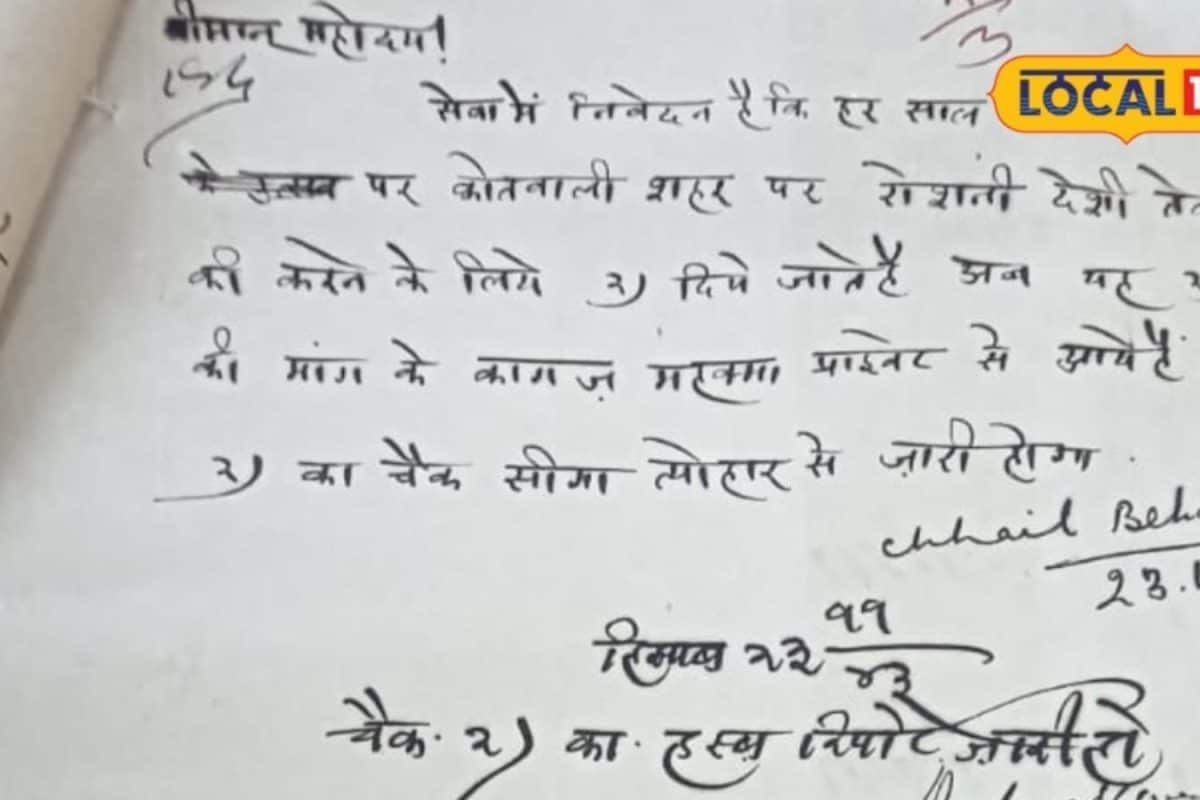
A fascinating window into the past has opened in Kota, as a nearly 150-year-old historical record regarding the princely state era Diwali celebrations has surfaced. During that bygone era, the festival of lights was never restricted merely to domestic households or private festivities. Instead, official government departments received designated financial provisions specifically allocated for illumination and grand celebrations. This unprecedented glimpse into historical governance highlights a time when state machinery actively participated in cultural and community festivities.
The meticulous financial records and documents pertaining to these historical celebrations are presently preserved with utmost care inside the Rajasthan State Accountant Office. These archival papers provide granular accounting of daily expenses incurred during the festive season, detailing precise purchases of oil, wicks, camphor, and comprehensive lighting arrangements. Such careful documentation reflects a highly structured administrative approach to managing public celebrations and religious observances within the princely domains.
Among the specific figures and allocations noted in the historical ledgers, the Kota princely state traditionally sanctioned a specific cheque amounting to 2 rupees exclusively for organizing festive illumination at the central Kotwali. Furthermore, the records demonstrate that official observances extended beyond the main night of Diwali. On the day immediately following Diwali, encompassing Annakut and Bhai Dooj, traditional pen-and-inkpot worship ceremonies known as Kalam-Dawat Pujan were conducted with formal state backing.
To sustain these extended customary traditions, the princely administration allocated a cumulative budget of 20 rupees and 14 annas distributed systematically across 30 distinct government departments. This financial distribution underlines the widespread institutional participation mandated by the state authority. Every single department played an assigned role in upholding the cultural calendar, ensuring that traditional practices were meticulously observed across the entire administrative hierarchy.
The active engagement of the leadership was a defining characteristic of these historical celebrations, with the Maharav personally taking a keen interest in the festival arrangements. Archival evidence indicates that this royal involvement was not merely symbolic but translated into tangible benevolence towards the workforce. Employees serving across various departments regularly received sweets and thoughtful gifts distributed under the direct patronage of the ruler during the festive period.
Examining these administrative records offers valuable insights into the socio-cultural fabric and governance models of historical Rajasthan. The institutionalization of festival funding demonstrates how rulers maintained social cohesion and morale among state employees through shared cultural participation. Modern administrative bodies often look back at such historical precedents to understand the evolution of public welfare, employee engagement, and cultural preservation within regional governance structures.
As these 150-year-old records continue to attract the attention of historians, researchers, and the general public, they serve as a permanent reminder of a heritage where statecraft and cultural celebration were deeply intertwined. Preserving these documents within the Rajasthan State Accountant Office ensures that future generations can study the financial mechanisms and administrative traditions of the Kota princely state. Public interest in these disclosures remains exceptionally high, bridging the gap between historical research and contemporary cultural appreciation.
