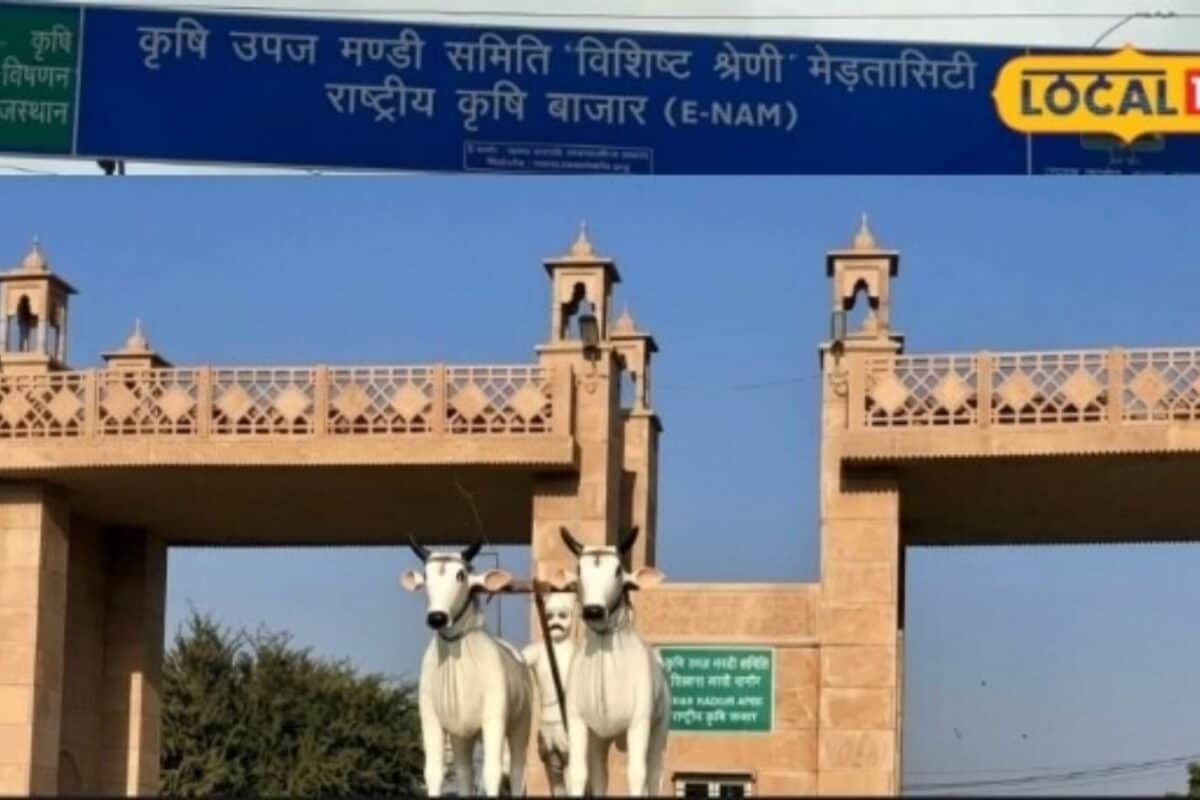
In a remarkable turn of events that has significantly transformed the agricultural trade landscape of the region, the Nagaur Agricultural Produce Market has registered a monumental 84.29 percent surge in its revenue collection. This extraordinary financial performance successfully surpasses all previous statistical records established by the institution, proving the resilience and vitality of the local agricultural ecosystem. Agricultural experts and market observers have lauded this development as a watershed moment for the regional agrarian economy, which continues to adapt to evolving market dynamics and administrative reforms.
The historical context of the Nagaur Mandi reveals a consistent trajectory of growth, albeit challenged by fluctuations in seasonal crop yields and shifting market demands. Traditionally, the revenue of the market was heavily dependent on a diverse portfolio of crops, where minor disruptions in supply chains directly impacted financial outcomes. Over the successive fiscal periods, administrative bodies have continuously sought innovative mechanisms to optimize market operations, enhance transparency, and ensure that both farmers and traders operate within a conducive economic framework designed to withstand external market pressures.
A granular analysis of the financial data underscores the complexity of this revenue surge, which materialized despite notable challenges in specific commodity segments. Specifically, the market experienced lower arrivals in green gram and psyllium husk, alongside reduced market taxation rates on these items. Furthermore, local industrial units benefited from a complete one hundred percent market fee exemption, a policy designed to foster regional industrial growth. Despite these potential revenue dampeners, the overarching financial intake soared impressively to reach 386.86 lakh rupees, demonstrating the sheer volume and economic strength of alternative traded commodities.
The primary catalysts behind this extraordinary financial expansion were the substantial arrivals and active trading of mustard, gram, cumin, and guar within the market premises. Agricultural producers from across the district channeled their harvests into the Nagaur Mandi, driven by competitive pricing structures and efficient transaction processes. Concurrently, a critical administrative intervention involving the rescheduling and streamlining of auction time arrangements provided profound relief to the participating farmers, eliminating long waiting hours and ensuring prompt, transparent transactions that reinforced mutual trust between the growers and the marketplace.
Examining the broader regional impact, this stellar performance has elevated the stature of the Nagaur Mandi within the administrative and geographical zone comprising sixteen distinct mandis. In the comparative ranking of revenue generation across these sixteen mandis, Nagaur secured a prestigious second position. Meanwhile, the neighboring Merta Mandi maintained its lead at the top position with a monumental revenue collection of 960.50 lakh rupees. This healthy competition among regional agricultural hubs stimulates overall economic activity, benefiting secondary supply chains, logistics providers, and local commercial establishments throughout the broader district.
Administrative oversight and proactive governance played an instrumental role in steering the market toward this financial milestone. The market committee implemented rigorous regulatory protocols to safeguard the interests of farmers while simultaneously encouraging commercial participation. By addressing longstanding logistical bottlenecks and modernizing the operational framework of daily auctions, the administration demonstrated its commitment to cultivating a transparent, farmer-friendly ecosystem. These institutional measures have successfully restored and deepened the confidence of the agricultural community in formal market structures.
Looking toward the forward outlook, the management of the Nagaur Mandi intends to build upon this robust foundation by introducing further procedural refinements and upgrading physical infrastructure. The upcoming administrative procedures will focus on digital integration, expanded storage facilities, and enhanced price dissemination mechanisms to protect growers from market volatility. As the region anticipates the upcoming agricultural seasons, stakeholders remain optimistic that sustained collaboration between farmers, traders, and administrative authorities will perpetuate this positive trajectory, ensuring enduring prosperity for the entire agricultural sector.