
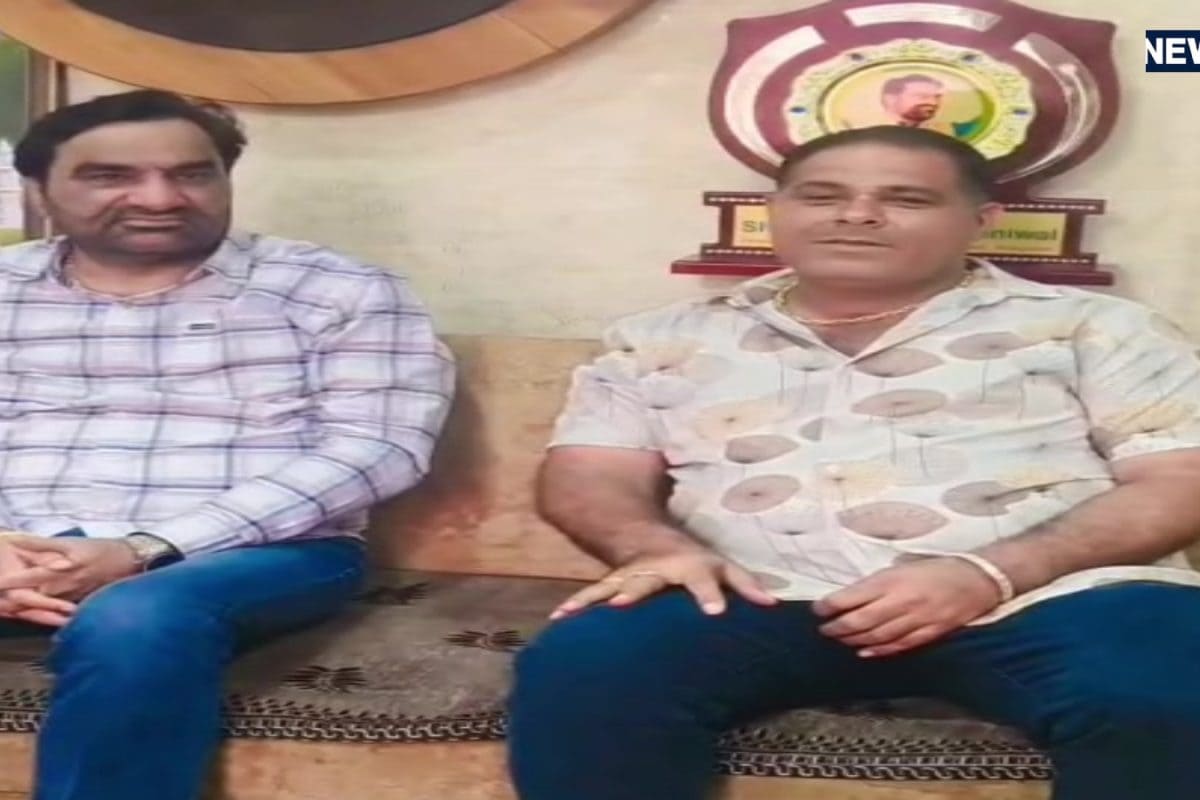
In an extraordinary display that has rapidly captured public attention, a liquor contractor named Subhash in Nagaur, Rajasthan, has become the center of intense debate following a viral social media video. The digital footage documents a unique ritual of Goddess Lakshmi worship wherein currency notes of five hundred denominations were meticulously stacked to form solid walls. This unprecedented visual presentation of wealth has sent ripples across financial and social circles within the region.
The tradition of performing Diwali and Dhanteras rituals with devotion is deeply embedded in the business and trading communities of Rajasthan. However, elevating the customary financial offerings to an architectural scale using literal cash walls marks a profound departure from conventional celebrations. Observers note that such displays reflect shifting cultural paradigms surrounding the public manifestation of massive commercial capital and liquid assets accumulated through regional liquor vending businesses.
According to the visual evidence captured in the viral recording, the scale of the currency deployment involves crores of rupees in cash. The architectural construction features systematic stacking of five-hundred-rupee bundles, creating an enclosure reminiscent of a traditional shrine or secure vault. Financial analysts reviewing the footage emphasize the immense logistical planning required to assemble, secure, and arrange such a massive volume of physical currency solely for a domestic ceremonial purpose.
The video further reveals that Subhash was not alone during this controversial worship ceremony, as his wife and children were seated alongside him throughout the ritual. The presence of immediate family members highlights the domestic and familial normalization of such ostentatious wealth displays. While some community members view the act as a personal prerogative of financial success, critics and civic leaders express deep concern over the societal message conveyed by flaunting crores of rupees in cash so openly.
Within the broader geographical context of the region, including districts such as Kotputli-Behror, local trade associations and citizens have engaged in heated discussions regarding the implications of such viral wealth exhibitions. The local economy, heavily dependent on commercial contracting, agriculture, and small businesses, often witnesses stark disparities in wealth accumulation. Incidents like the Nagaur currency wall worship amplify ongoing public dialogues about economic inequality, taxation transparency, and the ethical boundaries of displaying massive liquid capital.
As the video continues to circulate widely across various digital platforms, administrative and regulatory authorities are facing mounting pressure to examine the source and declaration status of the funds involved. While local police and revenue departments have yet to issue a formal statutory investigation report specifically targeting this viral incident, financial watchdogs routinely monitor such conspicuous consumption for potential tax compliance anomalies. The convergence of social media virality and massive cash displays invariably attracts heightened scrutiny from state oversight mechanisms.
Looking forward, the incident involving Subhash in Nagaur serves as a stark reminder of the evolving intersection between traditional religious ceremonies and modern digital exposure. Public expectations now demand greater accountability and discretion from high-net-worth commercial contractors whose public actions are instantly broadcasted to millions. As local communities analyze the long-term cultural fallout of this unprecedented currency worship, civic discourse remains focused on balancing personal freedom of worship with responsible social conduct.
