
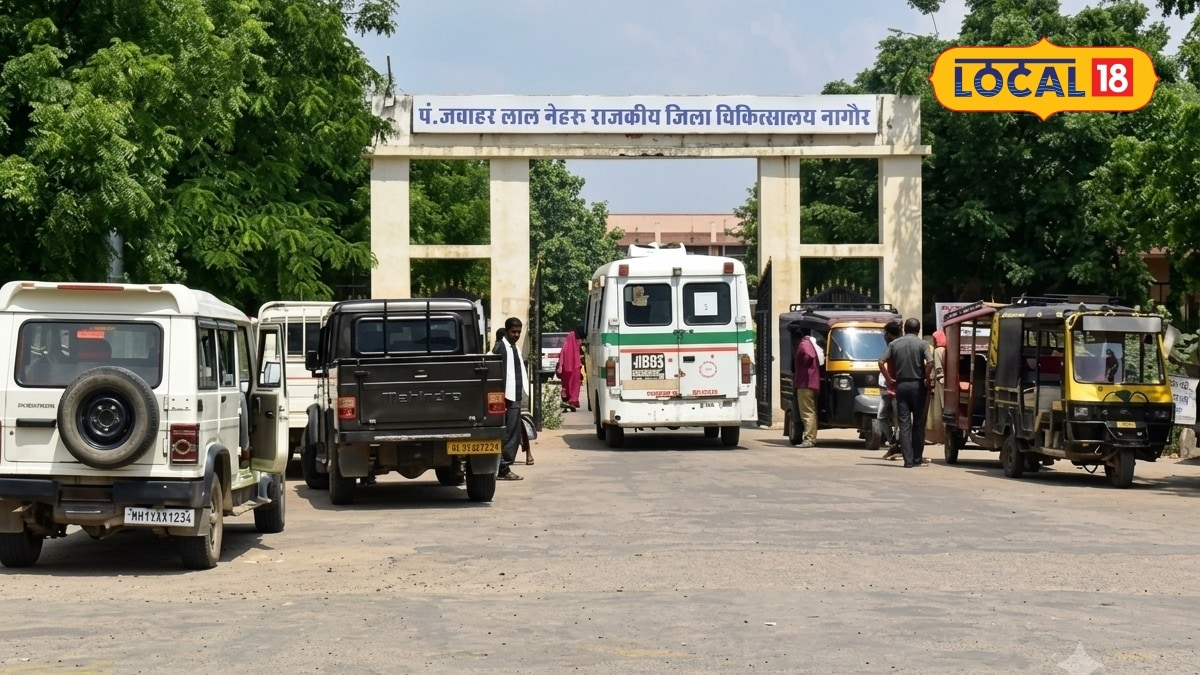
In a significant administrative overhaul aimed at alleviating public distress, the JLN Hospital in Nagaur has completely revamped its patient registration system to curb the persistent issue of agonizingly long queues. For years, patients arriving at the government medical facility faced immense hardship, often standing for hours just to secure an outpatient department registration slip. Recognizing the severity of this logistical bottleneck, the hospital administration initiated targeted interventions to overhaul the entire patient onboarding workflow, ensuring that medical care becomes more accessible and efficient for every visitor.
The historical context of healthcare delivery at public institutions in the region has long been plagued by infrastructural strain and disproportionate patient-to-staff ratios. Every morning, hundreds of ailing individuals from surrounding rural and urban areas converge on the JLN Hospital, overwhelming the limited registration counters. Previously, the paucity of personnel handling manual and digital entry systems resulted in massive gridlocks at the very threshold of medical assistance. Elderly patients and those suffering from acute ailments bore the brunt of this inefficiency, frequently enduring exhaustion even before consulting a qualified physician.
Addressing these critical ground realities, the hospital administration implemented a strategic enhancement by deploying additional manpower specifically designated for registration desks and the Mukhyamantri Ayushman Arogya Yojana counters. This logistical reinforcement directly targets the primary friction points in the daily administration. By augmenting the number of active personnel processing registrations, the hospital has substantially increased its processing capacity per hour, directly reducing the physical crowding and chaotic bottlenecks that previously characterized the morning operational hours.
Stakeholders, including frequent visitors, local citizens, and patient advocacy groups, have expressed cautious optimism regarding these administrative adjustments. Community members noted that the previous delays not only deteriorated the physical condition of vulnerable patients but also created an atmosphere of immense stress for families seeking urgent medical intervention. The deployment of additional trained personnel is being viewed as a pragmatic step toward bridging the gap between infrastructural availability and public healthcare demand, reflecting a responsive approach by the governing health authorities.
While the immediate geographical focus remains confined to Nagaur, the implications of such administrative refinements resonate broadly across the wider regional healthcare framework. Efficient queue management and optimized staffing models serve as a benchmark for public hospitals operating under similar demographic pressures. Ensuring that foundational services like outpatient registration function smoothly directly influences the overall health indicators and patient satisfaction metrics across the district, setting a precedent for procedural excellence in regional medical administration.
To sustain these operational improvements, the hospital administration has committed to continuous monitoring of the registration counters and the Mukhyamantri Ayushman Arogya Yojana desks. Supervisory personnel have been tasked with overseeing peak-hour traffic to preempt any potential bottlenecks or technical delays. Furthermore, administrative reviews are being institutionalized to assess whether further resource allocations are necessary to match the fluctuating seasonal influx of patients seeking specialized consultations at the medical facility.
Looking forward, the successful execution of this revised operational strategy is expected to permanently alter the daily experience of patients entering the JLN Hospital. By prioritizing human resource deployment where it matters most at the primary touchpoints of care, the administration has laid a robust foundation for patient-centric service delivery. Public expectations remain high as the health facility continues to refine its internal mechanisms, striving toward a future where prompt medical access is guaranteed for every citizen seeking healing within its walls.