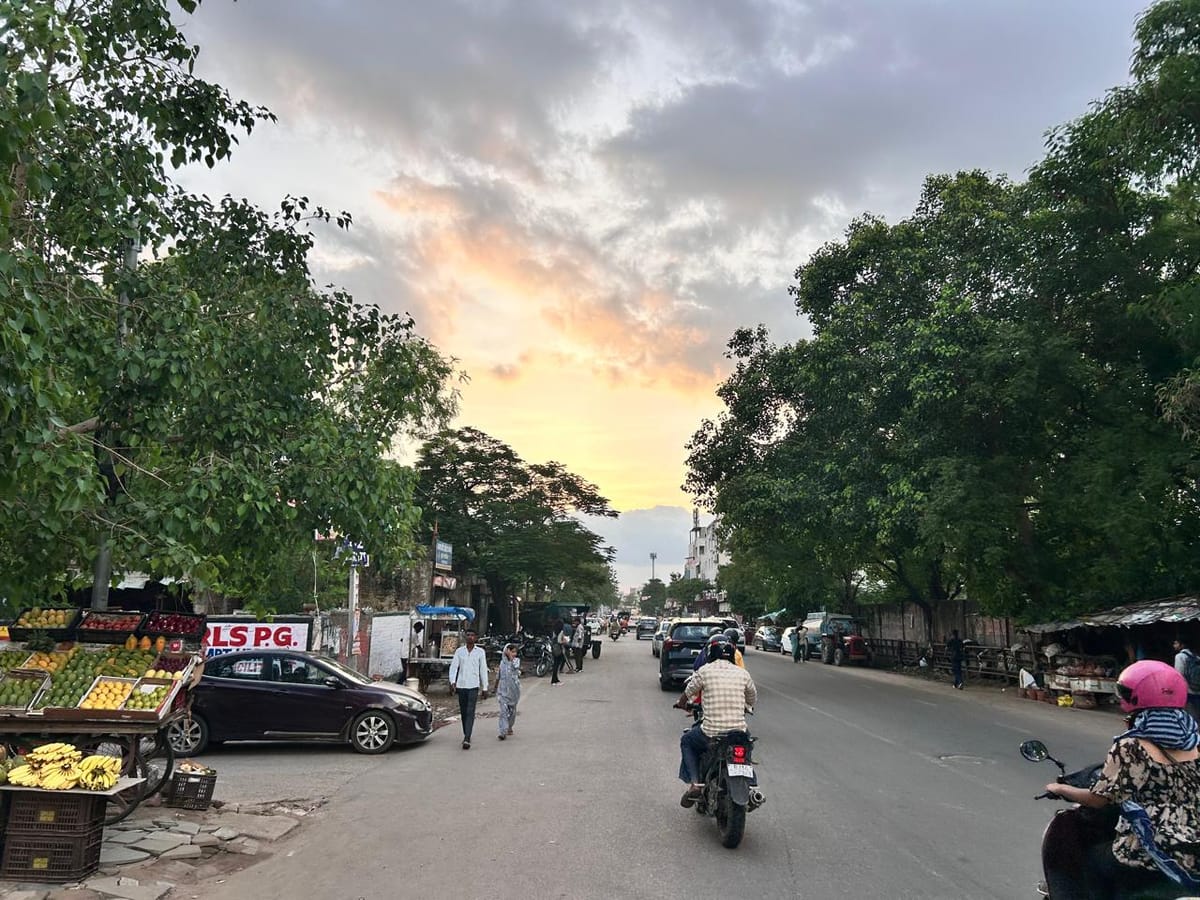
The annual monsoon season has officially withdrawn from Rajasthan, recording a delay of approximately three days compared to its standard seasonal timeline. However, the most alarming aspect of this year meteorological cycle is the significant deficit in total precipitation, which stands at a staggering 22 percent below normal levels. This severe shortfall has immediately escalated anxieties among agriculturalists, hydrologists, and regional authorities regarding the long-term ecological and economic stability of the state.
Historically, the monsoon serves as the primary hydrological lifeline for Rajasthan, replenishing critical water reservoirs, rural ponds, and subterranean aquifers necessary for both Kharif crop cultivation and domestic consumption. The delayed exit of the rain-bearing systems provided a brief false sense of relief, but meteorological data confirms that the quantum of rainfall received throughout the season remained utterly inadequate to sustain normal hydrological equilibrium across the vast expanse of the desert state.
A rigorous analysis of district-wise precipitation records indicates that more than 11 districts are currently grappling with severe meteorological drought conditions. These affected territories are exhibiting critical moisture stress in agricultural soils, leaving millions of farmers staring at diminished crop yields and mounting financial distress. The economic stakes for the agrarian community are exceptionally high, as rural livelihoods depend heavily on successful seasonal precipitation and subsequent groundwater recharge.
Farming unions, local business leaders, and concerned citizens have voiced deep apprehensions regarding the unfolding humanitarian and economic crisis. Representatives of rural communities point out that fodder scarcity for livestock has already begun to manifest, compounding the vulnerabilities of pastoral families. Stakeholders across various economic sectors are urging the government to execute immediate contingency measures to mitigate the looming impacts of agricultural failure.
In regional pockets such as Kotputli-Behror, the localized economic implications of this deficient monsoon are becoming increasingly palpable. Local markets, small-scale traders, and daily wage laborers in agricultural sectors anticipate a sharp contraction in purchasing power as farm incomes plummet. The community is deeply worried about the sustainability of local irrigation systems and the anticipated drying up of shallow tube wells as the dry months progress.
In response to these escalating threats, administrative authorities at district and state levels are reviewing contingency preparedness protocols. Government agencies are evaluating proposals for emergency water supply management, tanker deployments in severely affected rural pockets, and fodder distribution frameworks. Bureaucratic oversight is being intensified to monitor drinking water reserves and prevent acute shortages before the peak summer season arrives.
Looking forward, the upcoming months will demand strict water conservation strategies, community-level rationing, and targeted administrative interventions to avert a full-scale humanitarian crisis. As the state transitions into the post-monsoon dry period, both citizens and policymakers must navigate a challenging landscape defined by scarce natural resources and economic uncertainty, with recovery entirely dependent on strategic planning and upcoming winter precipitation.