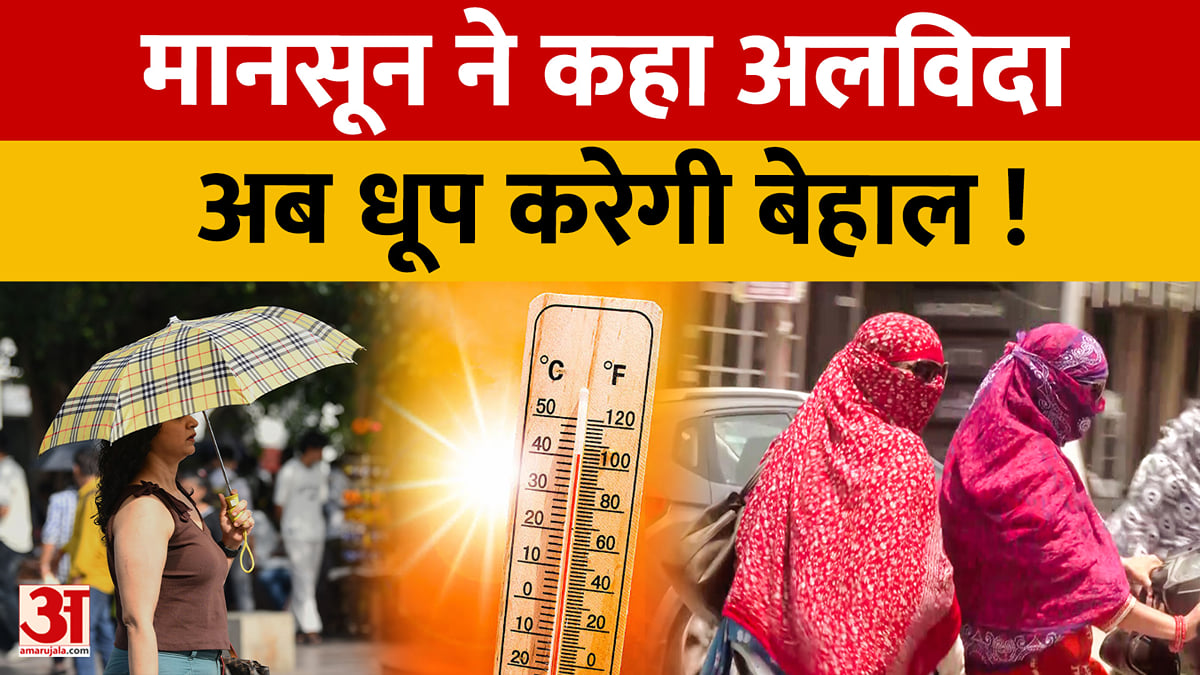
The meteorological landscape of Rajasthan is undergoing a profound transformation as the annual monsoon season officially initiates its withdrawal from the region. This seasonal shift marks the transition from heavy precipitation and humid conditions toward drier, clearer weather patterns that typically characterize the impending autumn months across the vast expanse of the state.
Historically, the withdrawal of the southwest monsoon from Rajasthan commences during the middle of September, gradually progressing across various districts before completely exiting the geographical boundaries of the state. Meteorological experts analyze long-term atmospheric pressures, wind directions, and humidity levels to determine the precise timeline of this seasonal retreat.
The current withdrawal phase carries substantial implications for the agrarian community, which relies heavily on the final spells of seasonal rainfall to mature standing crops and prepare fields for the upcoming rabi sowing season. Soil moisture retention levels, groundwater recharge figures, and localized precipitation patterns are being evaluated by agricultural extension services to provide guidance to farmers.
Local farming communities and agricultural market traders have expressed mixed reactions to the withdrawal timeline, balancing the completion of kharif harvest requirements with the necessity for optimal soil preparation conditions. Rural stakeholders are carefully assessing the adequacy of the rainfall received throughout the season to plan their upcoming agricultural cycles effectively.
Within regional subdivisions, including local rural economies and semi-urban trading centers, the transition from monsoon conditions influences daily commerce, logistical operations, and infrastructure maintenance schedules. Local businesses and municipal authorities coordinate their preparedness measures to address any seasonal vulnerabilities associated with the changing weather.
Administrative bodies and disaster management departments maintain active oversight to ensure that post-monsoon procedures, including the assessment of seasonal water storage and infrastructure integrity, are conducted smoothly. Officials remain vigilant to support regional development activities and address any localized agricultural grievances during this transitional period.
Looking ahead, meteorological departments will continue to issue regular updates regarding the complete clearance of monsoon currents from the remaining districts of Rajasthan. Public expectations center on stable weather conditions conducive to the seamless harvesting of agricultural produce and the commencement of festive preparations across the state.