
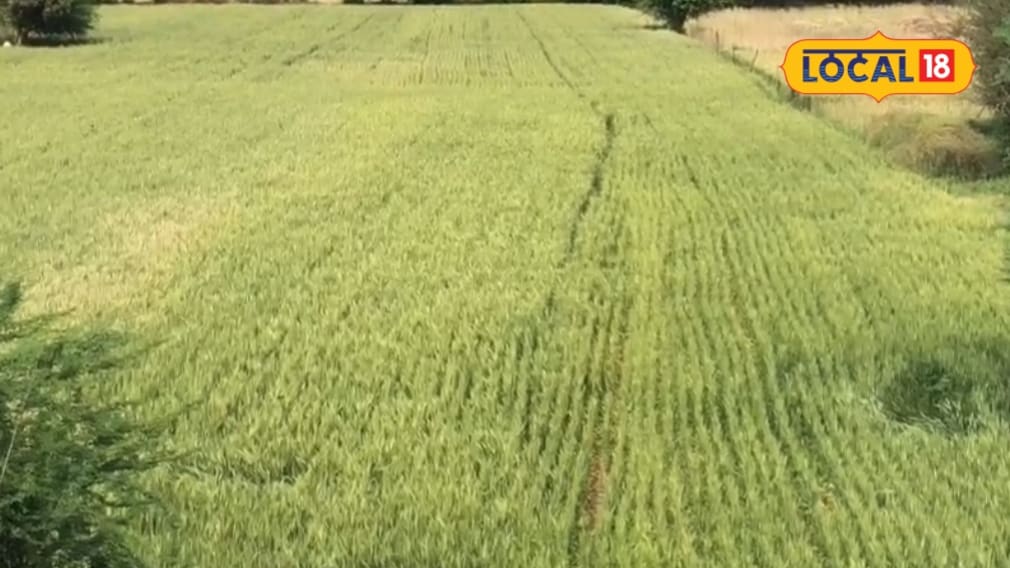
As the monsoon season enters its final phase and prepares to withdraw, farming communities across numerous local areas are experiencing acute anxiety as they anxiously gaze at clear skies. The initial arrival of rainfall had instilled immense optimism among cultivators, prompting them to enthusiastically undertake widespread sowing operations with high expectations for a robust agricultural yield this season.
However, the abrupt cessation of rainfall and the prevailing dry weather have completely reversed those optimistic projections, plunging the local agrarian economy into a state of heightened uncertainty. Historical weather patterns in the region typically sustain adequate moisture levels throughout the developmental phases of early sown crops, but this unexpected seasonal anomaly has severely disrupted traditional cultivation cycles.
The present agricultural predicament revolves around the rapidly depleting moisture content within the arable lands, which threatens the vital vegetative growth of the crops currently standing in the fields. Farmers who invested their hard-earned resources into seeds and preparatory tillage now find themselves in a precarious financial position, staring at potential crop failure if atmospheric conditions fail to deliver timely precipitation.
In response to these distressing ground realities, agricultural extension officers and regional farming experts have actively engaged with local cultivators to address their mounting apprehensions. These specialists emphasize that while direct control over meteorological phenomena remains impossible, proactive farm management practices can significantly mitigate the adverse impacts of prolonged dry spells on vulnerable crop varieties.
The broader regional implications of this meteorological dry spell extend far beyond individual landholdings, casting a concerning shadow over the entire rural economy of the district and surrounding communities. Agricultural productivity serves as the foundational economic pillar for numerous households in this area, meaning that any disruption in crop health directly translates to constrained household incomes and reduced market circulation.
Recognizing the urgency of the situation, administrative and agricultural advisory bodies have intensified their outreach efforts to disseminate critical technical guidance to every affected village and farming cluster. These instructional outreach campaigns are specifically designed to educate rural populations on efficient resource utilization during periods of extended meteorological stress, ensuring that every drop of residual water is conserved.
Looking forward, the immediate outlook for the district's agricultural sector remains precariously dependent on localized weather fluctuations and the diligent implementation of expert-recommended conservation methodologies over the coming weeks. Local stakeholders and agricultural administrators continue to monitor atmospheric developments closely, hoping for favorable climatic shifts that might alleviate the severe stress currently confronting the farming community.