
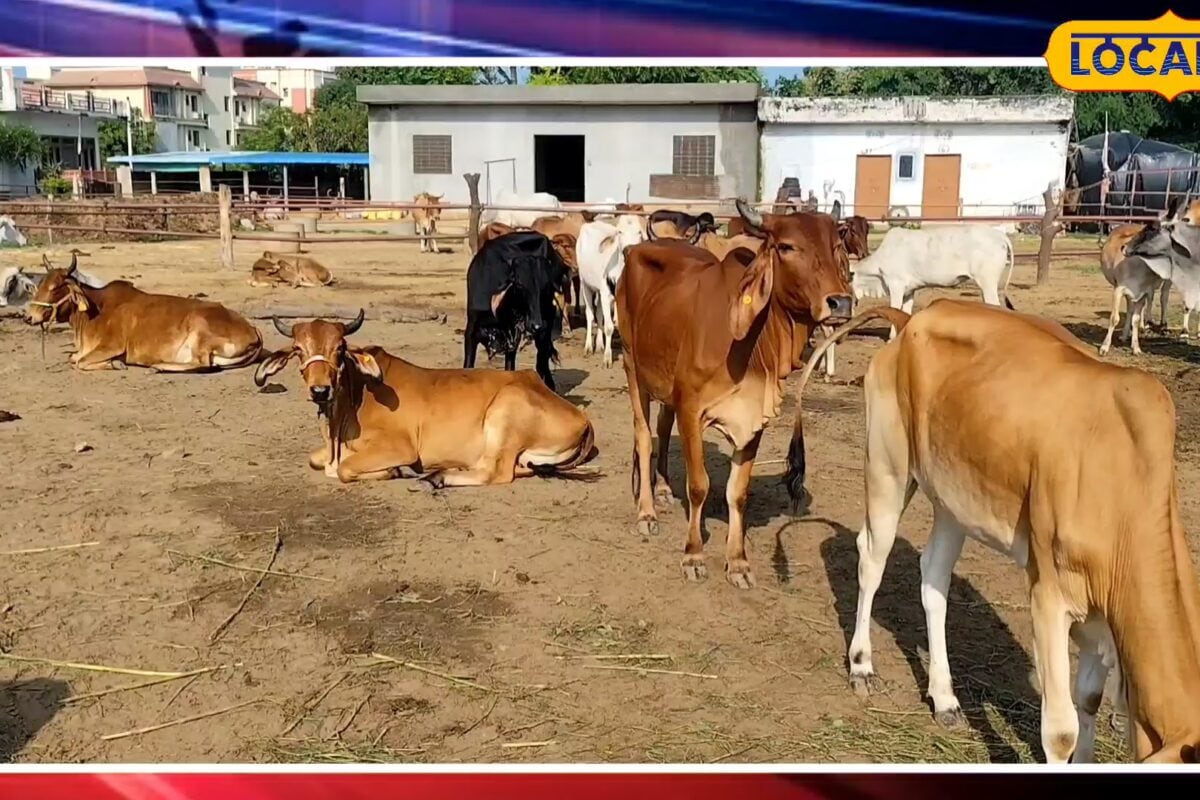
As the transition of seasons brings the critical month of September, dairy farmers and livestock owners face an urgent challenge regarding the health and productivity of their cattle and buffaloes. Veterinary advisories emphasize that this specific period of the year experiences a sharp surge in biological threats, notably internal parasites, stomach worms, ticks, mites, and various highly infectious diseases. Without immediate and rigorous veterinary interventions, these health hazards directly target the physiological well-being of the animals, triggering a drastic and alarming decline in daily milk production.
Understanding the seasonal vulnerability of livestock requires examining the biological impact of changing weather patterns on parasites and pathogens. During and immediately following the monsoon season, high humidity and moisture levels create an ideal breeding ground for vectors such as ticks, mites, and internal worms. Historically, dairy management guidelines have highlighted that neglected livestock hygiene during this window allows these parasitic organisms to multiply rapidly, compromising the immunity of cows and buffaloes and making them highly susceptible to severe infections.
At the ground level, the financial and logistical stakes for rural households and commercial dairy operators are exceptionally high. A sudden drop in milk yield directly translates into severe economic distress for farmers who depend on dairy as a primary or supplementary source of income. Field assessments indicate that unmanaged parasite infestations and untreated infections not only reduce milk output but also escalate veterinary treatment costs, severely straining rural household economies and affecting the overall viability of local dairy enterprises.
Engaging with the local farming community, livestock owners express deep concern over the sudden onset of seasonal ailments and the challenges of maintaining optimal shed hygiene. Community discussions reveal an urgent demand for accessible veterinary guidance and timely availability of protective medicines. Experienced dairy farmers emphasize that preventive measures must be treated as non-negotiable routines rather than optional chores, urging fellow breeders to follow expert protocols meticulously to shield their livestock from preventable illnesses.
Examining the regional impact on the Kotputli-Behror district and surrounding rural areas, the health of the bovine population is intrinsically tied to the local agrarian economy. Dairy farming serves as the backbone of rural sustenance in these regions, making community-wide animal health protection a matter of regional economic stability. When cattle health deteriorates on a mass scale, the ripple effects are felt across local milk collection centers, cooperative societies, and household financial planning, underscoring the critical need for coordinated preventative action.
To counter these seasonal threats effectively, administrative bodies and veterinary departments stress the implementation of statutory oversight and structured health campaigns. Officials reiterate that comprehensive deworming schedules, rigorous chemical spraying within animal shelters, and proper topical treatments on the animals' bodies are absolute prerequisites. Furthermore, veterinary infrastructure remains on high alert to guide farmers on executing these sanitation protocols safely and effectively within their private and community enclosures.
Looking toward the forward outlook and upcoming administrative procedures, animal husbandry experts urge all livestock keepers to audit their current health management practices without delay. If preventative vaccinations against perilous diseases such as hemorrhagic septicemia, black quarter, and foot-and-mouth disease were missed prior to the monsoon season, they must be administered immediately. Public cooperation, combined with proactive veterinary outreach, remains the definitive key to securing animal health, ensuring sustained milk yields, and protecting the economic interests of the farming community.