
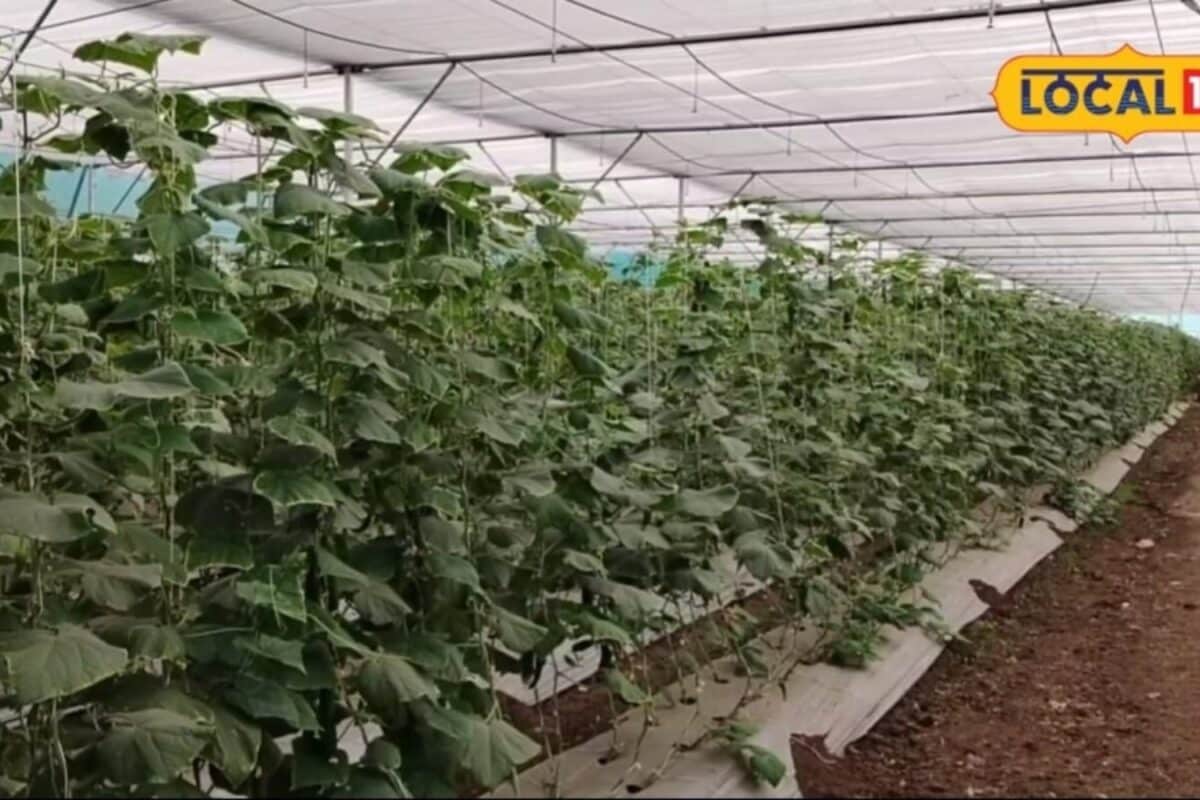
In recent agricultural developments, the adoption of mulching techniques has emerged as a crucial strategy for farmers seeking to minimize cultivation expenditures while simultaneously enhancing overall crop production. Modern farming demands resource efficiency, and this method provides a direct pathway to achieving sustainable agricultural goals without requiring exorbitant financial investments from the farming community.
Historically, traditional farming heavily relied on exhaustive manual labor for weeding and continuous irrigation schedules, which frequently strained local water resources and increased operational costs. Over the years, agricultural scientists and extension workers have continuously evaluated alternative methodologies to optimize resource utilization, tracing back the evolution of soil management practices to contemporary protective agriculture.
Examining the ground reality, financial and logistical stakes remain high for cultivators facing unpredictable weather patterns and rising input costs. The application of mulching—wherein the soil surrounding plants is meticulously covered with organic mulches like straw, dry leaves, or specialized plastic sheets—directly addresses these challenges by retaining essential soil moisture over extended periods, thereby yielding documented savings of approximately 30 to 50 percent in irrigation water.
Agricultural stakeholders, including agronomists and progressive farming leaders, emphasize the multifaceted advantages of this methodology. Observers note that beyond water conservation, the physical barrier created by mulching effectively suppresses the proliferation of unwanted weeds, consequently driving down the labor and financial burdens associated with frequent weeding and hoeing operations.
Reflecting on the regional impact within agrarian economies, the integration of these soil conservation techniques offers profound relief to local farming households. By maintaining a stabilized soil temperature, the methodology shields delicate plant roots against extreme seasonal fluctuations such as severe heat, biting cold, and damaging frost, while simultaneously mitigating soil erosion during periods of heavy rainfall.
Administrative bodies, agricultural departments, and extension agencies continue to promote these practices through structured awareness programs and advisory services. Officials underscore that specific horticultural and agricultural crops, notably tomatoes, chillies, muskmelons, and watermelons, derive exceptionally high benefits from the implementation of mulching systems.
Looking toward the forward outlook, agricultural extension services anticipate a steady expansion in the adoption of mulching among regional farmers as part of upcoming seasonal preparations. Public expectations remain centered on continued technical support and educational initiatives to ensure long-term resilience and enhanced economic viability for the entire agricultural sector.