
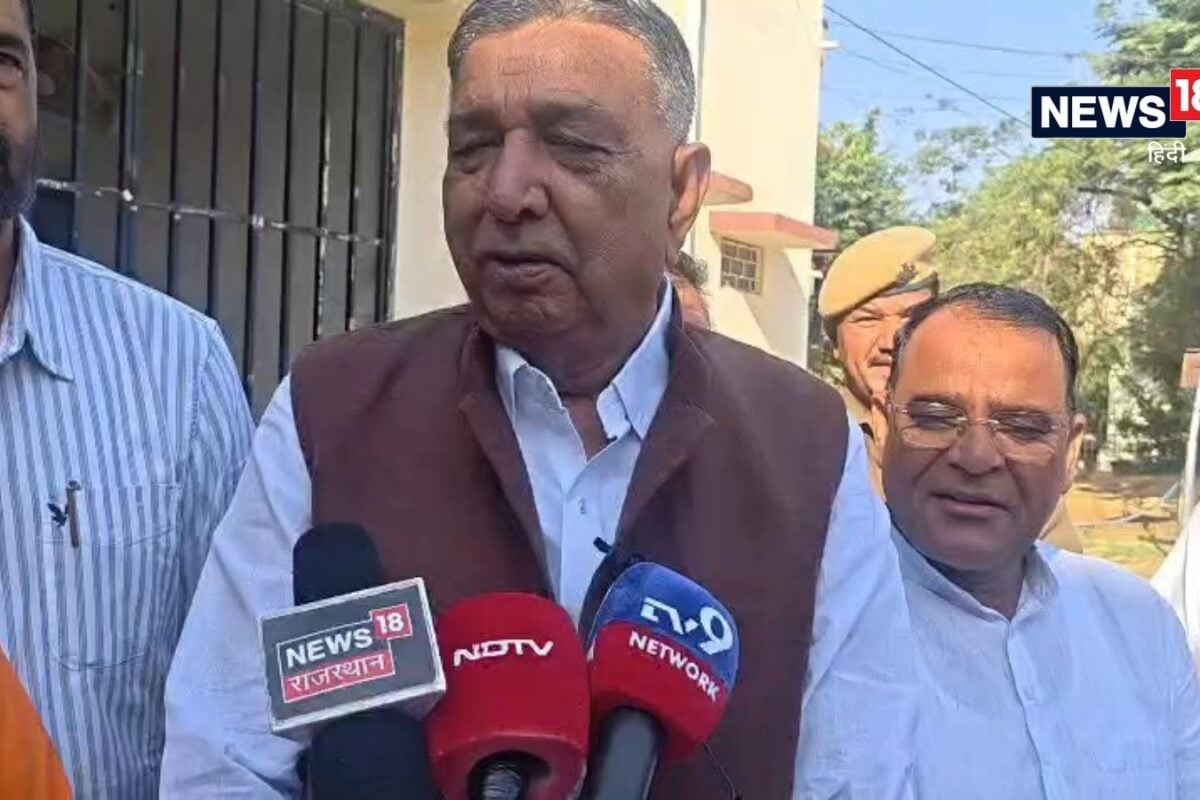
In a significant political assessment following the recent electoral outcomes, Rajasthan minister Prem Singh Bajor has openly acknowledged that an unperceived undercurrent against the Bharatiya Janata Party resulted in the party's unexpected defeat during the 2026 panchayat elections. The senior political figure admitted that the ruling organization failed to gauge the profound intensity of public sentiment running against them until the ballot boxes revealed the harsh reality.
Delving deeper into the political dynamics that shaped these results, party insiders and leadership evaluations point toward critical policy friction. The shifting alignments regarding University Grants Commission regulations and Economically Weaker Section reservation frameworks directly alienated significant segments of the traditional core vote bank, causing them to move away from the party.
While political analysts examine the mathematical dimensions of the voting patterns, opposition leaders have been swift in their critique. Congress leader Pratap Khachariyawas publicly corroborated the assessment regarding widespread public discontent, noting that these specific policy controversies and administrative frictions successfully generated an overwhelmingly adverse political atmosphere against the Bharatiya Janata Party.
Stakeholders across various political spectrums have emphasized that the grassroots disconnect played a pivotal role in the final tally. Local community representatives, party workers, and observers noted that communication gaps between the leadership and rural constituencies prevented the administration from taking corrective measures before the elections commenced.
The regional repercussions of this electoral defeat extend deeply into local governance structures across districts, including the Kotputli region, where local administrative priorities and developmental expectations are directly tied to panchayat-level leadership. The changing political equations at the grassroots threaten to alter the implementation pace of various developmental and welfare schemes.
In response to this political wake-up call, administrative circles and organizational strategists are facing immense pressure to recalibrate their approach. Addressing the grievances related to reservations and governance transparency has become an urgent prerequisite for restoring faith among the rural populace and neutralizing ongoing opposition narratives.
Looking forward, the political timeline ahead demands robust structural introspection from the ruling organization. As local bodies prepare for subsequent administrative procedures and public engagement programs, the primary challenge remains overcoming public alienation, bridging organizational voids, and rebuilding trust within the foundational voter base before the next major electoral cycle.
