
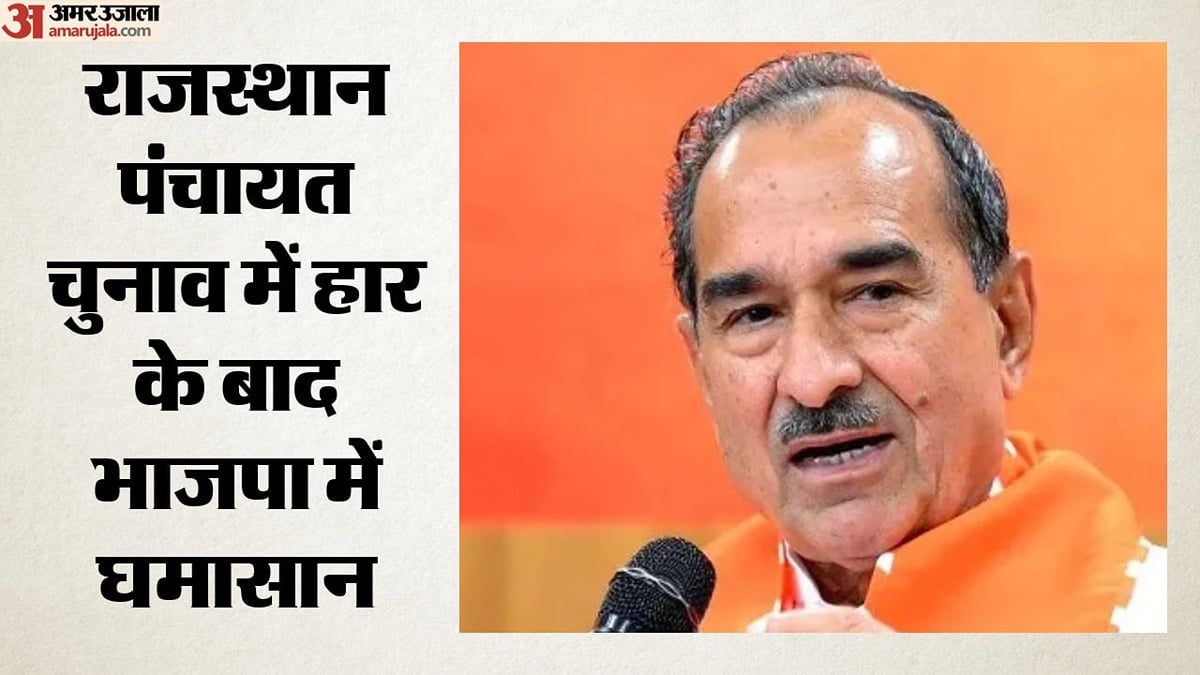
The political landscape of Rajasthan is currently witnessing intense internal deliberations within the Bharatiya Janata Party following disappointing outcomes in the recent panchayat elections. The party organization has openly questioned the methodology and execution of ticket distribution, pointing directly toward the decisive role played by sitting legislators in the selection of candidates across various regions.
Historically, grassroots party organizations rely heavily on localized feedback and cadre assessments to determine winnability and public sentiment. However, during the recent electoral cycle, reports indicate that the overarching influence of elected legislators superseded institutional inputs, leading to widespread disillusionment among dedicated party workers and grassroots functionaries.
As the party hierarchy dissects the electoral reverses, detailed investigative reports compiled by designated election in-charges have been submitted directly to the central and state leadership. These reports meticulously document instances where organizational warnings were sidelined in favor of individual political alignments during the candidate finalization phase.
Party insiders and senior functionaries have expressed growing concern that ignoring structured organizational feedback undermines democratic discipline within the cadre. The friction between legislative ambitions and organizational directives has become a central talking point among political analysts observing the organizational health of the ruling party in the state.
The repercussions of these electoral setbacks and subsequent internal reviews extend significantly across various regional districts in Rajasthan, including emerging administrative zones where local political equations are constantly shifting. Community members and local observers are closely monitoring how these internal corrective measures will influence upcoming political strategies at the grassroots level.
In response to the mounting pressure from district units and state-level functionaries, the high command has initiated a formal mechanism to review the conduct of the election process. Accountability is slated to be fixed strictly on the basis of empirical data, official observations, and comprehensive evaluations submitted by neutral election observers and party in-charges.
Looking ahead, the leadership faces the formidable task of bridging the gap between elected representatives and the organizational machinery to ensure cohesive functioning. The upcoming procedural reforms and anticipated administrative recalibrations within the party structure are expected to set a definitive precedent for future electoral management and candidate selection protocols across Rajasthan.
