
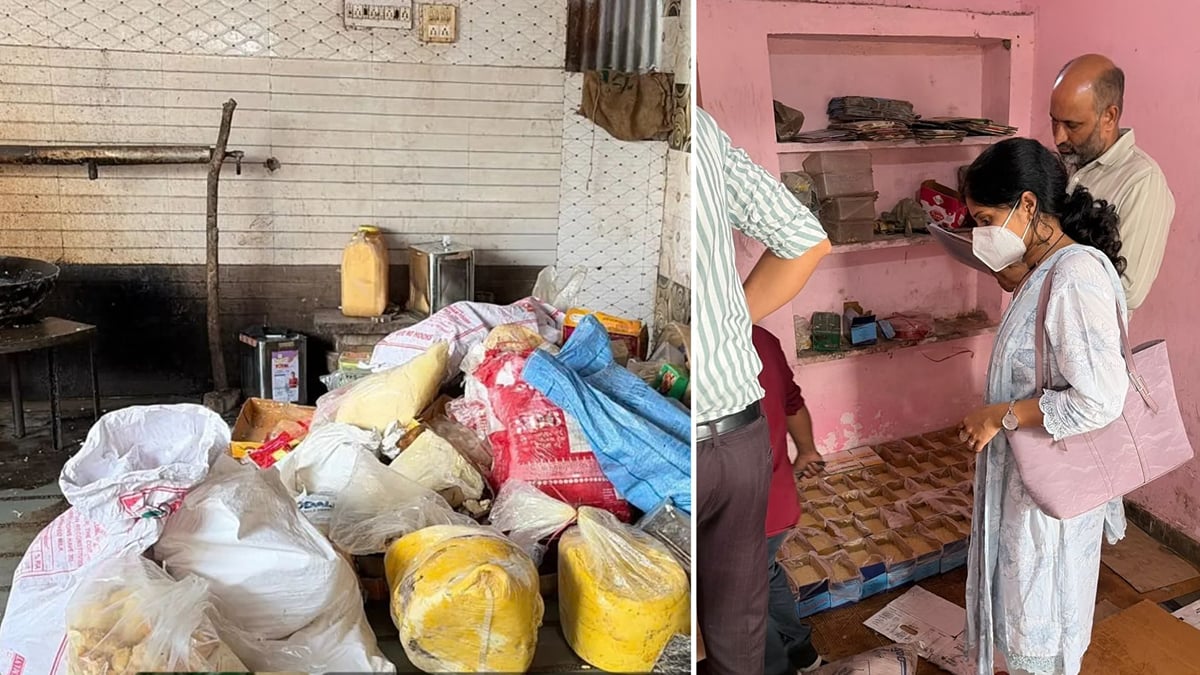
In a major administrative crackdown highlighting the persistent threat of food adulteration ahead of festive seasons, authorities in Rajasthan have uncovered a clandestine manufacturing unit producing synthetic dairy products. The operation targeted an isolated facility operating discreetly within a field located in Namana town within the Bundi district. This decisive enforcement action aims to curb the rampant circulation of sub-standard and potentially hazardous edible items that traditionally flood markets during periods of heightened consumer demand.
The contextual backdrop of this operation sheds light on the clandestine methods frequently employed by unscrupulous operators to maximize profit margins by bypassing established food safety protocols. Manufacturing units operating illegally in remote agricultural fields or secluded rural outskirts often evade routine surveillance until specific intelligence or heightened seasonal vigilance triggers an investigation. The region surrounding Namana town in Bundi district has thus emerged as a focal point for enhanced administrative oversight regarding the integrity of dairy supply chains.
Delving into the specifics of the ground reality and the physical inventory discovered during the raid, enforcement officials encountered a substantial volume of compromised dairy products. The meticulous inspection and subsequent inventory cataloging yielded a total of 1084 kilograms of suspicious mawa, alongside 355 sealed tins of milk cake. These quantitative metrics underscore the sheer industrial scale of the illicit operation, which was evidently positioned to distribute vast quantities of fraudulent sweets into commercial channels before detection.
Stakeholder perspectives gathered in the wake of the raid reflect deep community concern regarding the safety of commercially available dairy derivatives. Local residents, consumer advocacy groups, and honest traders have consistently expressed alarm over the health hazards posed by synthetic milk solids and adulterated confections. Authorities emphasized that public health remains paramount, and such unhygienic, unregulated production facilities constitute a direct violation of consumer trust and statutory food safety standards.
While the direct interception occurred specifically within the Bundi district, the regional implications resonate across neighboring administrative zones, including the wider expanse of Kotputli-Behror and surrounding commercial hubs. The interception of such substantial consignments serves as a stark reminder of the interconnected nature of regional supply networks, where illicitly manufactured goods frequently cross jurisdictional boundaries to reach unsuspecting consumers in diverse local markets.
In response to the gravity of the findings, administrative bodies have intensified their statutory oversight and inspection protocols across all vulnerable commercial sectors. Food safety officers are conducting extended surveillance sweeps, collecting random samples from suspicious vendors, and enforcing strict compliance measures under relevant legislative frameworks. These systemic administrative steps are designed to dismantle the operational infrastructure supporting food fraud within the state.
Looking toward the forward outlook, regulatory agencies have outlined a rigorous timeline for laboratory testing of the seized samples, which will dictate subsequent legal proceedings and formal charges against the perpetrators. Public expectations remain high for uncompromising punitive action to deter similar violations in the future. As the festive season approaches, authorities have reiterated their commitment to maintaining continuous vigilance to protect public health and ensure absolute transparency within the food supply chain.
