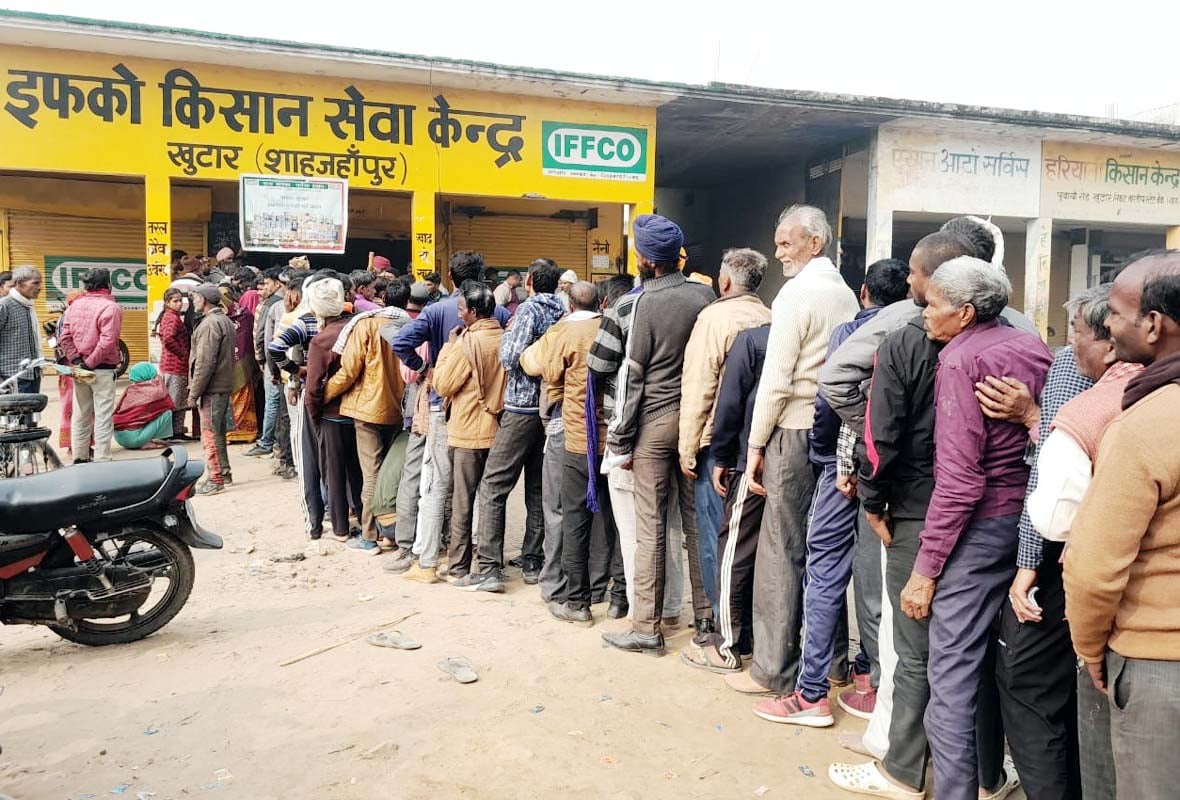
In an aggressive administrative and regulatory push ahead of the crucial rabi sowing season, authorities in Rajasthan have significantly escalated enforcement measures against the rampant black marketing and unauthorized diversion of essential agricultural fertilizers. The state government machinery, operating in direct coordination with district agricultural departments, has mobilized investigative teams to inspect retail and wholesale supply chains. This decisive offensive comes at a time when farming communities across the region are gearing up for extensive winter crop cultivation, making the unhindered access to subsidized nutrients a paramount priority for agricultural productivity.
The historical context of fertilizer distribution in the region often reveals systemic vulnerabilities during peak agrarian transitions, where unscrupulous elements attempt to exploit high seasonal demand. In past sowing cycles, shortages—whether artificial or logistical—have frequently triggered widespread distress among cultivators who depend heavily on timely fertilization for optimal crop yields. Recognizing these recurring vulnerabilities, state authorities resolved to preemptively dismantle illegal syndicates and supply-chain bottlenecks through targeted intelligence-gathering and unannounced inspections across various districts.
The ground reality of this ongoing crackdown is reflected in specific, stringent enforcement numbers compiled by the monitoring agencies. As part of this sweeping statewide operation, authorities have successfully registered 24 formal first information reports against individuals and commercial entities found culpable of manipulating fertilizer distribution. Furthermore, regulatory boards have taken direct punitive action by suspending or canceling a total of 118 business licenses to deter future violations. In addition to these administrative penalties, enforcement squads have seized 8,533 bags of fertilizers intended for illegal commercial diversion or sold at exorbitant unauthorized rates.
Stakeholder perspectives from the agricultural sector highlight a mixture of cautious relief and persistent anxiety regarding the accessibility of essential supplies. Local farming associations have repeatedly voiced concerns that speculative hoarding and black marketing severely undermine their financial planning and threaten overall food security. Representatives of the farming community have urged the administration to maintain continuous oversight throughout the sowing season, ensuring that subsidized stocks reach genuine cultivators rather than being siphoned off into industrial or unauthorized channels.
The regional impact of these enforcement activities on local economies, particularly within agricultural hubs and rural constituencies, is profound and far-reaching. Ensuring fair pricing and transparent distribution protects the slender profit margins of smallholder farmers who form the backbone of the rural economy. When vital inputs like fertilizers are subjected to artificial scarcity or black-market inflation, the cascading financial burden directly impedes household stability and local market dynamics, making strict administrative intervention an absolute economic necessity.
Administrative responses and statutory oversight have been robustly structured to handle ongoing infractions without disrupting legitimate commercial channels. District collectors and agricultural inspectors have been empowered to conduct surprise audits of warehouses, retail outlets, and transit vehicles. Officials maintain that these inspections are conducted transparently, adhering strictly to established legal protocols while guaranteeing that violators face immediate judicial and administrative consequences under the relevant fertilizer control orders.
Looking forward, the outlook for the remainder of the rabi sowing season hinges on sustained vigilance, transparent distribution mechanisms, and continuous public reporting channels. Agricultural authorities have indicated that monitoring squads will remain active in the field, tracking inventory levels and monitoring point-of-sale machine data to prevent any resurgence of illicit activities. The ultimate objective of the administration remains the full protection of farmers' interests, ensuring that every bag of fertilizer reaches the intended fields transparently and equitably.