
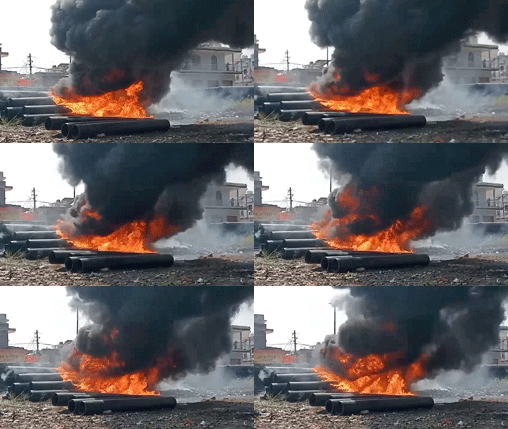
A massive and terrifying fire erupted within the premises of the fruit market located in Dholpur city, triggering intense panic and chaos among the local business community and citizens. The sudden outbreak of flames engulfed large quantities of plastic pipes stored in the area, quickly intensifying into a major disaster that drew immediate attention from onlookers and authorities alike. The intensity of the blaze caused immense concern across the commercial district.
The incident unfolded in the bustling commercial heart of Dholpur, an area known for active wholesale and retail trade involving various goods and agricultural commodities. Stored plastic pipes, highly combustible by nature, acted as immediate fuel, rapidly accelerating the spread of the flames and generating hazardous conditions throughout the immediate vicinity. Such marketplaces have historically served as critical economic hubs for the region, making safety compliance an ongoing subject of community debate.
As the fire raged through the targeted section of the fruit market, thick and suffocating plumes of black smoke billowed high into the atmosphere, completely obscuring the skyline above Dholpur city. The dramatic visual of billowing smoke created widespread alarm among residents living nearby and commuters passing through the main thoroughfares. The dense smoke severely impaired local visibility and raised immediate health and environmental concerns regarding toxic emissions from burning plastics.
Faced with the escalating danger and the menacing wall of black smoke, numerous local shopkeepers and traders panicked and swiftly took emergency precautions by closing down their commercial establishments. Business owners rushed to secure their shops, fearing that the leaping flames and intense heat might spread uncontrollably to adjoining godowns and vendor stalls. The collective anxiety disrupted normal commercial operations across the entire market zone for an extended period.
While specific regional implications extend toward broader administrative jurisdictions, commercial stakeholders throughout Rajasthan maintain a keen interest in marketplace safety standards following such volatile events. The incident underscores the vulnerability of urban trading centres where diverse and potentially hazardous materials are stored in close proximity to traditional fruit and vegetable vending areas, posing continuous structural and logistical challenges.
In the wake of the sudden blaze, local administrative machinery and emergency response units faced immediate scrutiny regarding fire safety enforcement and preparedness within municipal commercial zones. Authorities are expected to review safety protocols, storage regulations, and hazard management strategies to prevent similar occurrences in municipal marketplaces across the region, ensuring better protection for commercial assets and human lives.
Looking ahead, local merchant associations and civic leaders are calling for comprehensive safety audits and strict regulations concerning the storage of inflammable materials like plastic pipes within congested commercial hubs. The incident serves as a stark reminder of the urgent need for enhanced infrastructure, rapid response mechanisms, and proactive disaster mitigation strategies to safeguard public safety and economic stability in Dholpur and beyond.
