
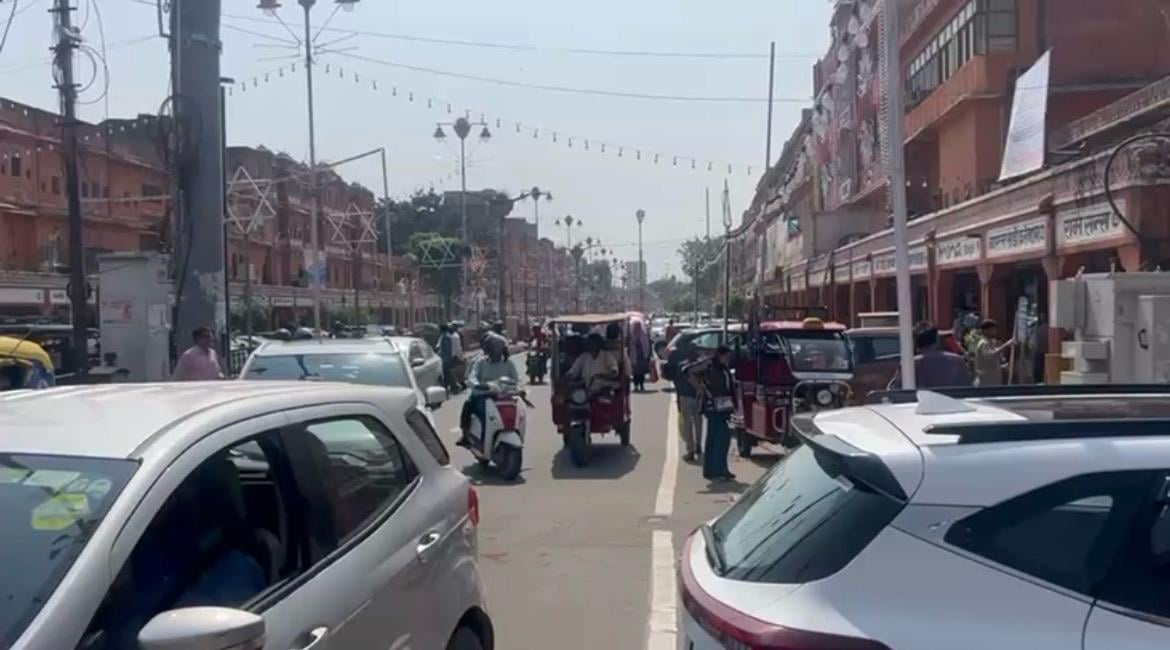
In a decisive administrative move aimed at permanently easing chronic traffic congestion, municipal and transport authorities in Jaipur have announced that approximately 7,000 e-rickshaws will be removed from the historic walled city area. This sweeping infrastructural intervention is designed to reclaim congested public spaces, restore pedestrian safety, and optimize vehicular movement across heavily crowded commercial corridors that have long struggled with gridlock.
The historical context of this regulation dates back years of unchecked commercial expansion and exponential growth in battery-operated transport within narrow heritage lanes. Originally introduced as an eco-friendly last-mile connectivity option, the unregulated proliferation of e-rickshaws eventually overwhelmed the narrow thoroughfares of the walled city, creating unprecedented bottlenecks, obstructing emergency vehicles, and severely compromising the daily mobility of thousands of residents and shoppers.
Addressing the core logistics of the new policy, officials have confirmed that the urban transport network within Jaipur will be systematically divided into seven distinct operational zones. Within this newly structured framework, exactly about 7,000 e-rickshaws currently operating indiscriminately will face strict relocation or exclusion from the walled precincts unless they successfully comply with modern digital tracking and authorization parameters.
Key stakeholders, including local business owners, commercial association representatives, and daily commuters, have expressed mixed reactions regarding the sweeping enforcement. While traders and shopkeepers within the walled city welcome the prospect of unobstructed customer access and reduced congestion, transport operators and drivers are urging the administration to ensure fair allocation, transparent zone distribution, and adequate livelihood safeguards during the transition.
The regional impact of this policy extends well beyond the immediate municipal boundaries of Jaipur, influencing transit patterns and commercial logistics across neighboring districts such as Kotputli-Behror, where commuters frequently travel into the capital for business and trade. A streamlined transport system in the capital ensures safer, more predictable travel experiences for regional visitors, traders, and daily passengers arriving from surrounding areas.
Underscoring the administrative oversight behind the initiative, enforcement agencies and transport department officials have outlined a strict implementation roadmap to monitor compliance across all seven operational zones. Special squads will be deployed at major entry points and intersections of the walled city to check permits, verify operational documentation, and penalize unauthorized vehicles found operating without official clearance.
Looking forward, a definitive timeline has been established for all operators, culminating on 19 October, after which no e-rickshaw will be permitted to operate inside the walled city without a valid, scannable QR code. Public expectations remain high as authorities promise a transformed, disciplined, and safer urban transit environment that balances heritage preservation with modern traffic management necessities.
