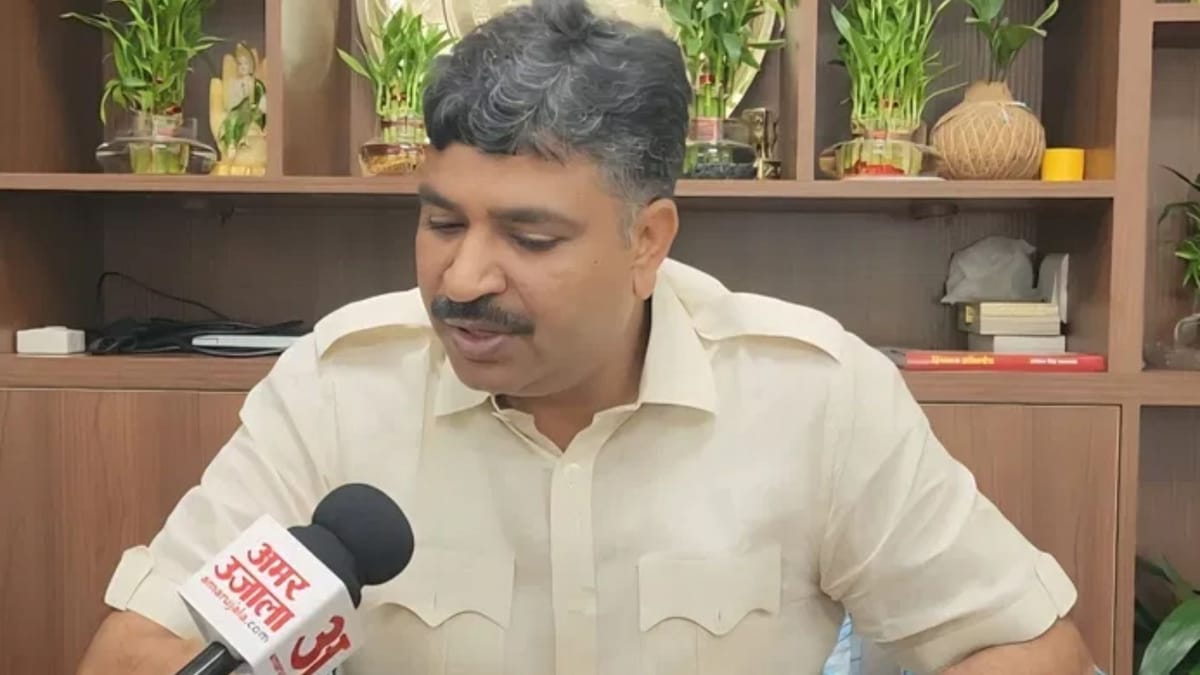
Alwar witnessed intense political deliberations following a major public hearing where Leader of Opposition Tika Ram Julie stepped forward to address pressing regional concerns. The event served as a significant platform for addressing widespread public grievances, drawing considerable attention from citizens, local political observers, and administrative circles alike. Julie utilized this direct interaction with the public to critically evaluate the governance and administrative efficiency of the current ruling dispensation in Rajasthan.
The discourse during the public hearing extended beyond immediate civic grievances, delving deep into systemic governance issues that have historically affected the region. Over recent years, Alwar and its surrounding areas have witnessed fluctuating political dynamics, making administrative accountability a central theme for local residents. The opposition leaders have consistently maintained that transparency and institutional integrity remain paramount for upholding democratic values in the state.
A core element of the critique involved rigorous scrutiny of the prevailing law and order situation, alongside the pace and execution of vital infrastructural and developmental works. Citizens and local stakeholders frequently voice concerns regarding infrastructural delays and administrative apathy, which directly impact the daily lives and economic well-being of the populace. The discussions brought to light specific local demands, including the long-standing requirement for a train stoppage at Malaheda, which has immense logistical and commercial importance for commuters and traders.
Furthermore, the dialogue addressed crucial democratic milestones, specifically focusing on the timeline and procedural fairness surrounding upcoming municipal elections. The accountability of constitutional bodies such as the election commission was heavily debated, with opposition representatives emphasizing the necessity of maintaining absolute impartiality to preserve public trust in electoral processes. Local representatives and community leaders actively participated, sharing their perspectives on how delayed municipal elections hinder grassroots democracy and urban development.
The broader geographical and administrative impact of these political developments extends directly into neighboring districts, including the newly formed Kotputli-Behror region. Economic activities, regional connectivity, and administrative coordination between Alwar and its adjoining areas are deeply intertwined with state-level policies. Consequently, any shifts in government focus or delays in municipal and infrastructural execution resonate significantly across the regional economy and local communities.
In response to mounting criticisms from opposition figures, administrative authorities and ruling party representatives continue to review ongoing developmental projects and statutory obligations. The district administration and relevant state departments maintain that standard protocols are being followed to ensure smooth execution of civic works and preparation for upcoming administrative procedures. Continuous monitoring by district officials is aimed at addressing public grievances systematically within the framework of existing government guidelines.
Looking ahead, the political landscape in Alwar and the wider Rajasthan region is poised for heightened engagement as the timeline for municipal elections and administrative evaluations draws closer. Public expectations remain high regarding the prompt resolution of infrastructural demands, such as the Malaheda train stoppage, and the transparent conduct of local polls. Political analysts suggest that sustained public discourse and active opposition oversight will play a defining role in shaping governance priorities in the coming months.