
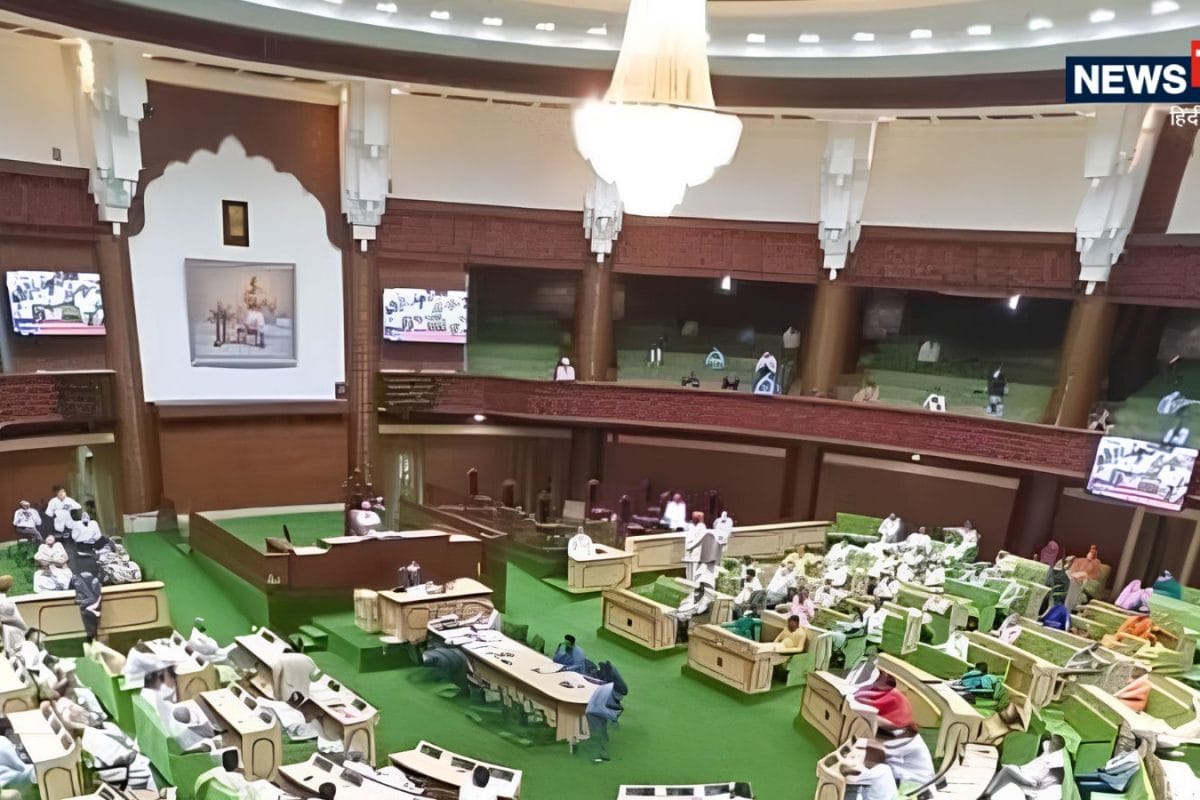
The legislative landscape of Rajasthan has witnessed yet another contraction in its representative strength as the total number of active members in the assembly dropped to 199. This development comes in the wake of the sad demise of Behror MLA and former minister Dr. Jaswant Yadav, whose passing has created a sudden political vacancy. The assembly, which ideally functions with a full capacity of 200 elected representatives, has frequently found its benches short of complete representation over recent legislative terms.
Analyzing the historical context of the sixteenth assembly reveals a recurring pattern of fluctuating numbers over its ongoing tenure spanning approximately three years. This particular instance marks the fourth time that the assembly strength has dipped from the mandated 200 down to 199. Administrative records indicate that such reductions have occurred through various unforeseen developments, including tragic deaths, sudden resignations, and the formal termination of legislative memberships under specific statutory provisions.
The logistical and institutional implications of operating with a reduced house are multifaceted, affecting committee formations, floor management, and the overall parliamentary workflow within the state legislature. While the constitutional provision of 200 seats remains the cornerstone of Rajasthan democracy, the recurrence of vacancies disrupts the proportional representation of constituencies such as Behror. Citizens and political observers frequently note that whenever the assembly appears to have a full complement of members, an unexpected vacancy arises shortly thereafter.
Stakeholders across the political spectrum have expressed grief over the passing of Dr. Jaswant Yadav, acknowledging his extensive service as a minister and his dedication to the development of the Behror region. Local leaders, party workers, and administrators have conveyed their condolences, highlighting his immense contribution to public welfare and legislative debates. The void left by his absence is deeply felt by both his constituents and his colleagues within the state assembly.
The regional impact on the Kotputli-Behror district and the surrounding local economy is significant, as constituents temporarily lose direct legislative representation during the interim period before a by-election is officially announced and conducted. Local community members and traders rely heavily on active legislative advocacy to address regional grievances, infrastructure demands, and administrative hurdles. The temporary absence of an elected MLA creates challenges in fast-tracking local developmental projects.
Statutory oversight and administrative mechanisms in Rajasthan are now geared towards managing the constitutional requirements following the vacancy. The Election Commission of India and state electoral authorities are expected to review the timeline for conducting a by-election for the Behror constituency in accordance with established legal procedures. Meanwhile, administrative departments continue to oversee ongoing public works in the region to ensure that local governance remains uninterrupted.
Looking ahead, the political climate in Rajasthan prepares for another electoral contest in Behror, which will restore the assembly strength back to its full capacity of 200 members. Public expectations remain focused on a transparent and peaceful electoral process to select a new representative. As the state legislature navigates these periodic fluctuations, the primary objective remains the uninterrupted delivery of democratic governance and public welfare to the citizens of Rajasthan.
