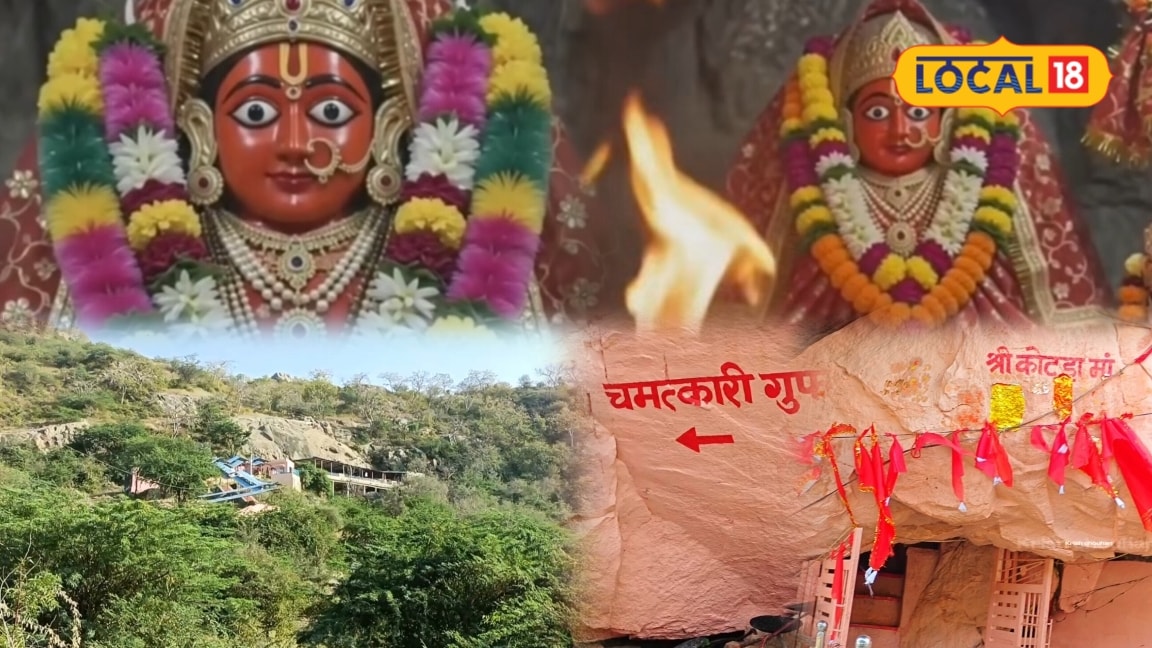
Nestled deep within the lofty and rugged hills of the Aravalli mountain range in Rajasthan, Kotda Mata Dham stands as a revered sanctuary of profound spiritual significance. The sacred shrine is uniquely positioned inside a natural cave formed by two massive boulders, creating an atmosphere of divine mystery and ancient devotion that draws pilgrims from across the region.
The foundational history and origins of Kotda Mata Dham are deeply intertwined with ancient traditions and rich folklore. According to enduring regional beliefs and historical narratives associated with the area, the sacred site traces its spiritual heritage all the way back to the Mahabharata era, endowing the location with a timeless aura of mythic reverence and historical depth.
The physical layout and architecture of the temple are defined by its striking natural setting. Rather than a conventional man-made structure, the deity resides within the rocky embrace of two giant rock formations. At this revered sanctuary, devotees assemble to offer their prayers specifically to the torso manifestation of the Goddess, a distinct iconographic tradition that sets this temple apart from conventional regional shrines.
During the sacred festival of Navratri, the spiritual energy at Kotda Mata Dham reaches its annual zenith. Vast multitudes of devout pilgrims flock to the mountainous terrain, braving difficult pathways to catch a glimpse of the deity and seek divine blessings. This massive seasonal influx transforms the serene Aravalli landscape into a bustling hub of religious fervour and communal devotion.
Beyond its profound spiritual dimensions, the presence of Kotda Mata Dham exerts a significant positive influence on the local economy and tourism sector of Rajasthan. As a recognized focal point for religious tourism, the shrine attracts steady streams of visitors throughout the year, fostering commercial activity, supporting local livelihoods, and highlighting the rich cultural heritage of the surrounding region.
To manage the immense logistical challenges posed by the heavy seasonal crowds, local community organizers and temple authorities continuously coordinate measures to ensure safety and order. Managing access through the narrow mountain passages requires careful planning and crowd control, particularly during peak festival periods when thousands of worshippers converge upon the rocky terrain simultaneously.
Looking toward the future, Kotda Mata Dham continues to occupy a cherished place in the hearts of devotees and cultural preservationists alike. As traditional beliefs remain strong and visitor numbers steadily grow, ongoing efforts are directed toward preserving the pristine natural environment of the Aravalli hills while accommodating the spiritual aspirations of future generations of pilgrims.