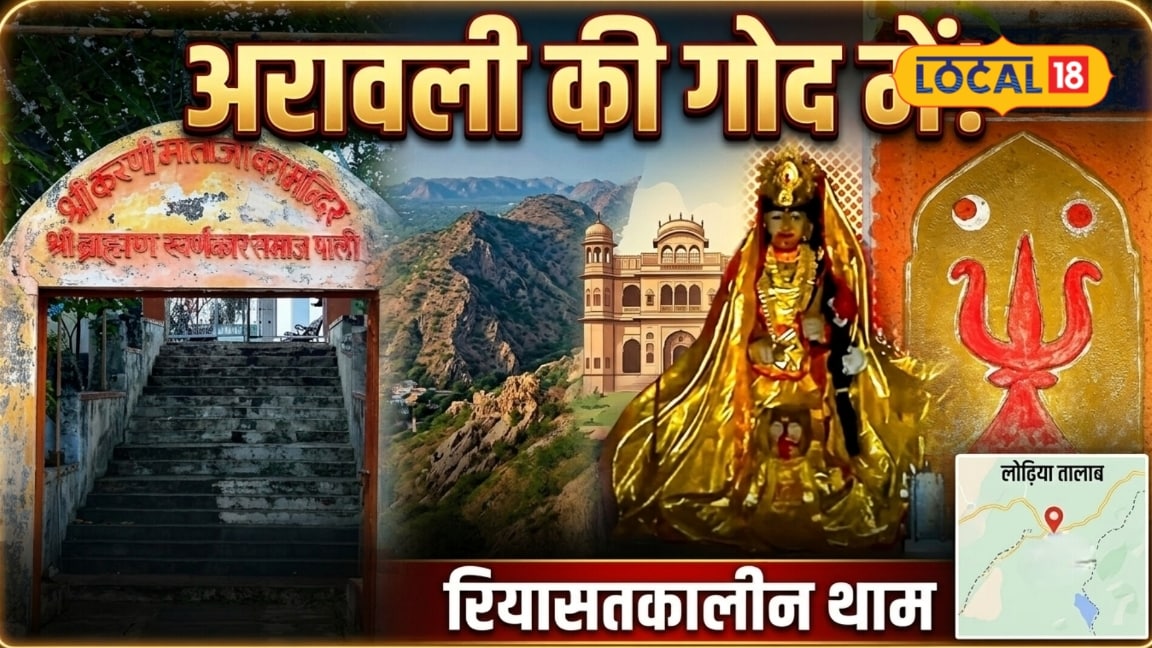
Nestled in the picturesque district of Pali, the revered Karni Mata Temple stands as a magnificent testament to the harmonious integration of spiritual devotion, historical heritage, and pristine natural aesthetics. Positioned strategically within the majestic landscape of the region, this ancient shrine draws countless devotees and nature enthusiasts seeking tranquility and divine blessings. The architectural placement of the temple offers a rare visual treat where human devotion seamlessly merges with the untouched grandeur of the natural environment.
Steeped in historical significance, the temple traces its origins to the erstwhile princely era, reflecting the rich architectural and cultural traditions of Rajasthan. Generations of local residents and visitors have revered the shrine not merely as a place of worship, but as a living monument that preserves the historical narrative of the princely states. The preservation of this heritage site underscores the deep cultural roots embedded within the administrative boundaries of Pali and its surrounding territories.
The geographical setting of the Karni Mata Temple is exceptionally distinctive, as it is situated directly amidst the sprawling expanse of the Lodiya Talab and encircled entirely by the rugged, undulating terrain of the Aravalli hills. This unique topographical positioning creates a microclimate of serene isolation, allowing visitors to immerse themselves fully in an atmosphere of spiritual contemplation. The interplay of water and stone, framed by ancient hills, forms a breathtaking visual composition that remains etched in the memory of every traveler who visits the site.
Local stakeholders, community leaders, and heritage conservation advocates frequently emphasize the paramount importance of safeguarding this ecological and cultural treasure. Pilgrims traveling to the temple express profound admiration for the peaceful ambience, noting that the journey to the sacred sanctum transcends a typical religious pilgrimage to become a holistic sensory experience. Cultural elders and local residents point out that the site serves as a vital anchor for regional identity, fostering a collective sense of pride and historical continuity among the populace.
The enduring appeal of the Karni Mata Temple extends far beyond local boundaries, exerting a positive influence on regional tourism and the broader economy of surrounding districts, including areas connected to Kotputli-Behror. Increased footfall of tourists and pilgrims stimulates small-scale local commerce, supporting vendors, transport providers, and hospitality enterprises operating within the wider zone. This steady influx of visitors highlights the economic viability of promoting eco-tourism alongside historical heritage conservation in rural Rajasthan.
In response to the growing recognition of the site's tourism and heritage potential, local administrative bodies and civic authorities periodically evaluate measures to improve infrastructure and visitor amenities. Ensuring sustainable management of the surrounding Lodiya Talab and maintaining the approach pathways are vital priorities for local governance. Administrative oversight focuses on balancing increased tourist accessibility with stringent environmental protection protocols to preserve the delicate ecosystem of the Aravalli hills.
Looking toward the future, community expectations remain centered on comprehensive preservation strategies that protect both the structural integrity of the ancient temple and the purity of its natural surroundings. Collaborative efforts between government departments, local trusts, and citizens are anticipated to steer future development initiatives. As Pali continues to develop, the Karni Mata Temple endures as an inspiring beacon of heritage, promising future generations an uncompromised connection to their historical and natural roots.