
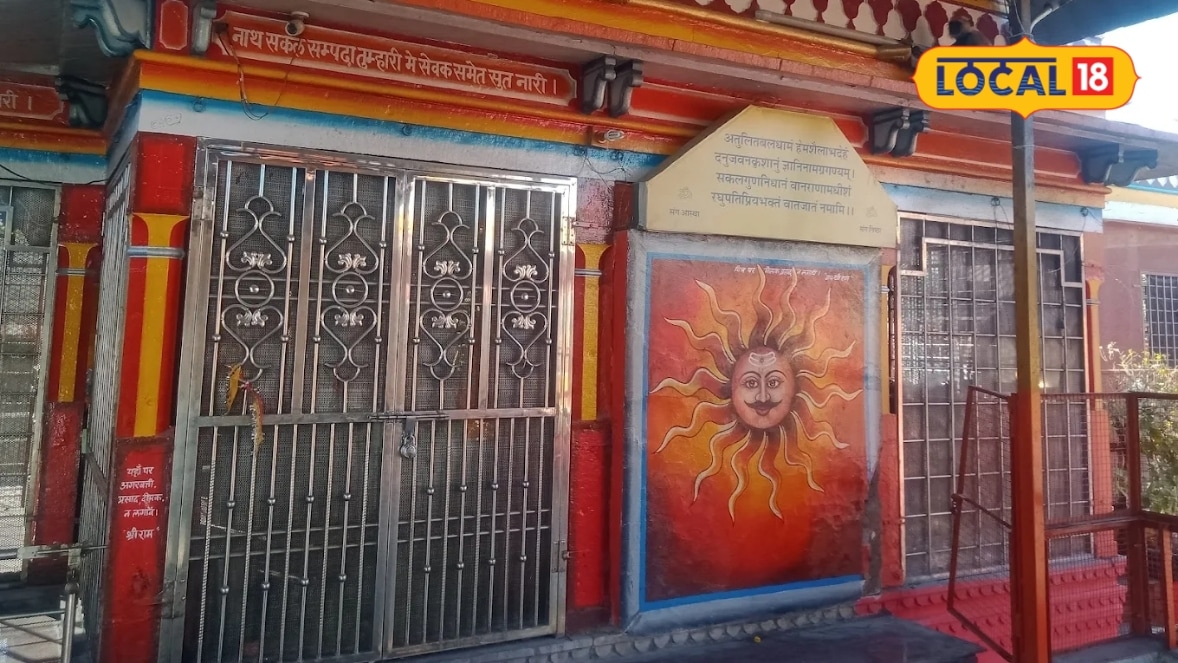
In a significant architectural and cultural development for the region, the revered and historically profound Rangbari Balaji Temple located in Kota has officially commenced its extensive restoration project. Spanning an estimated financial investment of 1.55 crore rupees, this grand rejuvenation initiative aims to restore the lost glory of the shrine while significantly modernizing its infrastructural facilities. The comprehensive undertaking seeks to preserve the ancient architectural integrity of the religious institution, ensuring that future generations can witness the timeless legacy of the heritage site.
Steeped in rich historical significance, the sacred temple traces its origins back approximately 400 years, serving as a primary spiritual epicenter for devotees across the region. Over centuries, the structural integrity of the complex experienced natural wear and tear, necessitating a deeply meticulous and large-scale preservation effort. The ongoing restoration is not merely a cosmetic upgrade; it is a dedicated historical conservation mission designed to protect the ancient sanctity and structural foundation of a landmark that has witnessed generations of spiritual devotion.
At the heart of this massive infrastructural overhaul is the meticulous selection of superior construction materials, notably the deployment of distinguished pink stones sourced directly from Jodhpur and Mandana. These robust and aesthetically pleasing stones are being extensively utilized across the temple complex to impart a majestic visual appeal reminiscent of classical Rajasthani temple architecture. The financial allocation of 1.55 crore rupees is being systematically channeled toward procuring these high-grade regional materials and executing precision stonemasonry work throughout the expansive premises.
Local community members, temple administrators, and regional stakeholders have expressed profound optimism regarding the transformative impact of the ongoing developmental works. Stakeholders note that the integration of traditional architectural motifs using Jodhpur and Mandana pink stones will substantially elevate the aesthetic grandeur of the sacred destination. Furthermore, local merchant communities and tourism advocates anticipate that the revitalized infrastructure will successfully attract an increased influx of pilgrims and heritage enthusiasts, thereby boosting regional economic activity.
While the administrative oversight remains robust, the developmental ripples of this magnificent project extend thoughtfully toward regional cultural enrichment. As Kota continues to position itself as a prominent hub of cultural tourism, the meticulous restoration of the 400-year-old Rangbari Balaji Temple reinforces the region's commitment to safeguarding its invaluable architectural legacy. Community leaders have emphasized that preserving such ancient monuments is vital for maintaining cultural continuity and regional identity amidst rapid urbanization.
Administrative authorities and temple management committees are closely monitoring the phased execution of the restoration plan to ensure adherence to strict quality parameters and structural standards. Every segment of the temple architecture, ranging from the imposing main entrance gateway to the ancient stepwells, is receiving specialized restorative attention to completely transform its visual and functional profile. Engineers and traditional artisans are working in close coordination to seamlessly blend heritage preservation with modern structural reinforcement techniques.
Looking ahead toward the completion horizon, project coordinators have officially established a targeted timeframe extending through January and February 2027. As the meticulous stonework progresses steadily, public anticipation continues to grow among devotees eagerly awaiting the grand unveiling of the rejuvenated 400-year-old sanctuary. The completion of this 1.55 crore rupee endeavor is poised to mark a historic milestone in the preservation of architectural heritage within the region.
