
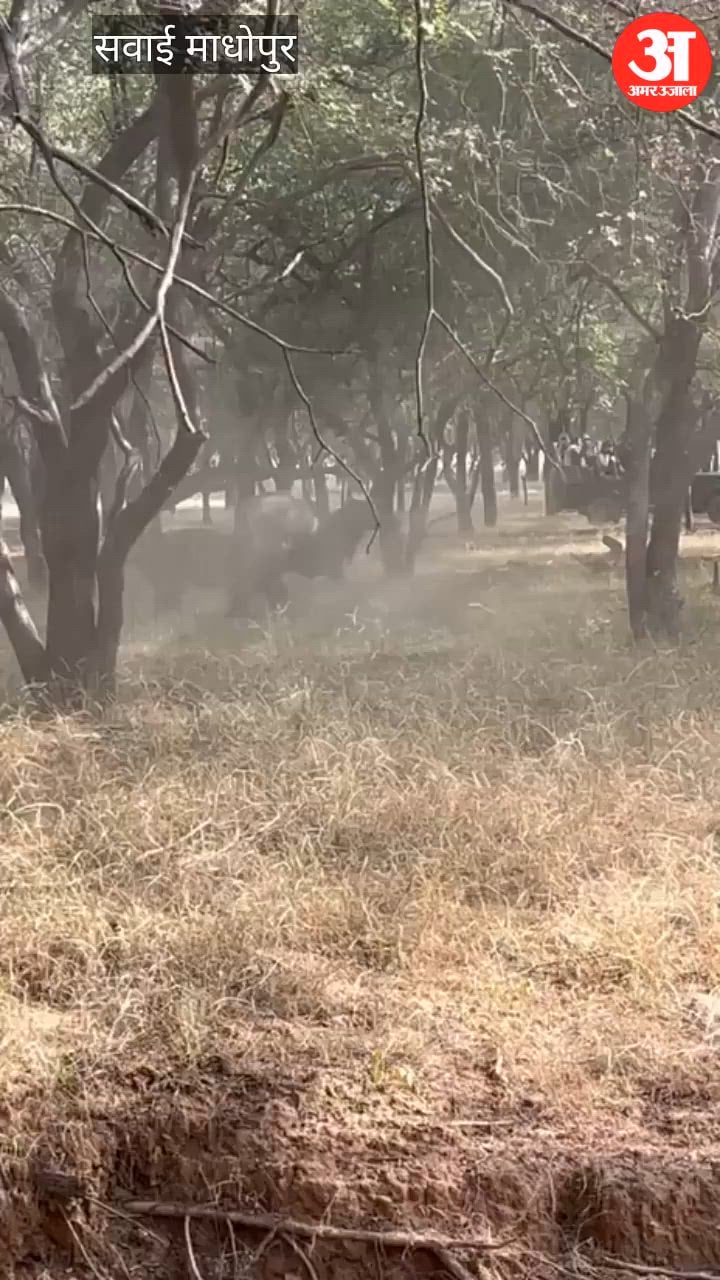
In a striking display of raw wilderness dynamics, tiger RBT-2506 executed a successful hunt targeting a nilgai in zone four of the renowned Ranthambore Tiger Reserve. The event, which occurred right in front of astonished tourists, underscores the untamed natural behavior that continues to attract wildlife enthusiasts from far and wide to this protected sanctuary.
Ranthambore Tiger Reserve has long stood as a cornerstone of wildlife conservation in the region, providing a meticulously managed habitat where apex predators like tiger RBT-2506 can thrive alongside diverse herbivore populations such as the nilgai. The sanctuary's ecological framework depends heavily on maintaining a healthy predator-prey ratio to ensure the long-term sustainability of the local biodiversity.
For the tourists traversing zone four, the moment materialized swiftly as the tiger waited in camouflage near a water body before launching a sudden and decisive attack on the nilgai. Such encounters offer a rare, unfiltered glimpse into the daily survival struggles of wildlife, reinforcing the ecological significance of undisturbed natural zones within the reserve.
Wildlife authorities and forest department officials continuously monitor the movements of big cats like tiger RBT-2506 to ensure the safety of both the visiting public and the resident fauna. While tourism is strictly regulated, experiences of this nature provide invaluable educational moments for visitors regarding the complex realities of natural conservation.
The broader region, encompassing surrounding districts and communities reliant on eco-tourism, closely follows the behavioral patterns of prominent tigers within Ranthambore. The economic vitality of local hospitality sectors and guide networks is deeply intertwined with the robust visibility and health of the tiger population residing inside the reserve boundaries.
Administrative oversight within Ranthambore Tiger Reserve remains rigorous, balancing the immense public interest in wildlife tourism with the paramount necessity of habitat preservation. Park management protocols dictate that tourist vehicles maintain safe distances, allowing natural predation events like the one involving tiger RBT-2506 to proceed without human interference.
Looking ahead, wildlife conservationists anticipate continued monitoring of tiger RBT-2506 and its territory within zone four to gather comprehensive behavioral data. As the sanctuary moves forward, educational outreach programs will continue leveraging such documented wildlife events to foster greater public appreciation and support for tiger conservation initiatives.
