
The political landscape of Rajasthan witnessed significant electoral developments during the municipal elections of 2026, particularly within the jurisdiction of Kota. Local governance polls invariably attract intense public interest, but specific campaigns occasionally transcend ordinary political discourse to become statewide focal points. The recent electoral battle in Kota became nationally and regionally prominent primarily due to the unconventional methods adopted by various contenders vying for local representation.
At the center of this extraordinary electoral narrative was independent candidate Krishna Murari Kahar, contesting from ward 33. In an era dominated by digital rallies and high-profile roadshows, Kahar chose a grassroots and deeply symbolic approach to connect with voters. His campaign methodology prioritized visceral, face-to-face interactions that sought to subvert traditional political hierarchies and demonstrate absolute humility to the residents of his constituency.
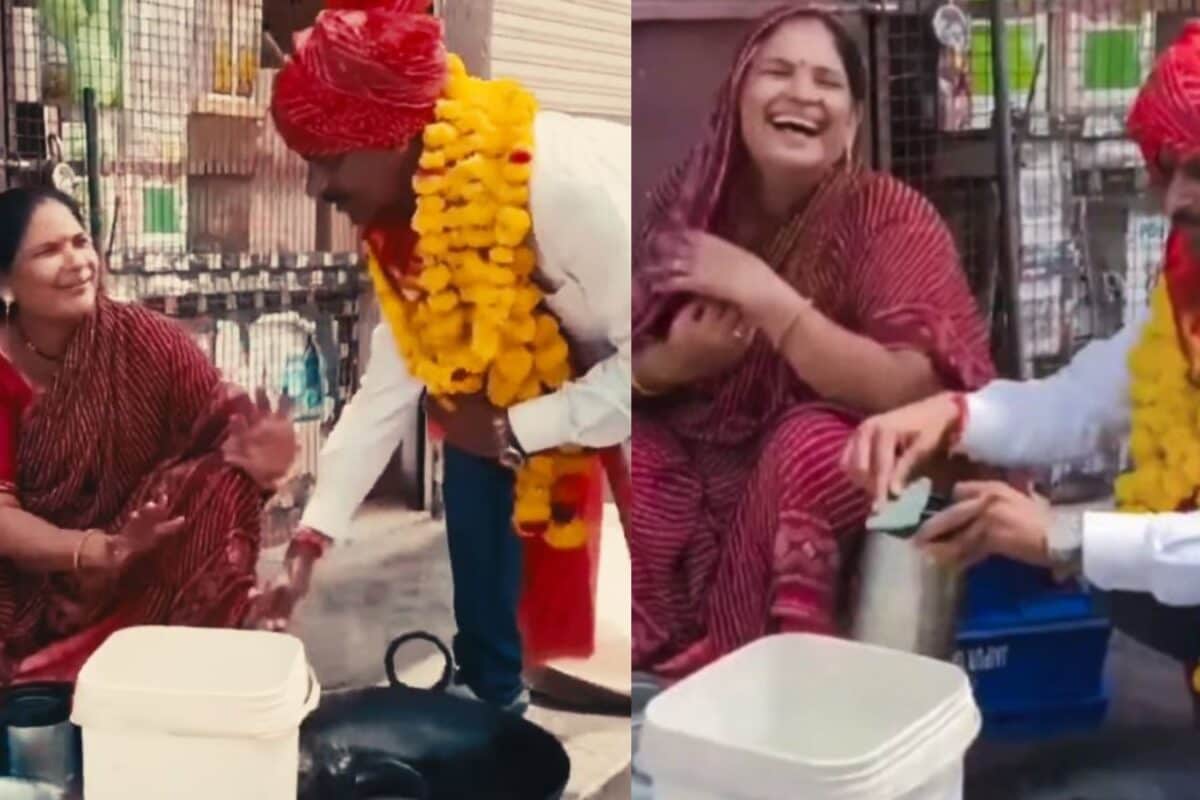
The defining moment of the 2026 Kota municipal elections occurred when video footage capturing Krishna Murari Kahar actively washing utensils and respectfully touching the feet of women voters went viral across social media platforms. This unorthodox display of servitude and community integration instantly generated immense curiosity and widespread debate throughout Rajasthan, transforming a localized municipal contest into a high-profile media spectacle.
As polling day approached, political observers and residents alike debated whether such dramatic displays of humility would translate into tangible electoral support at the ballot box. While some constituents praised the candidate for his relatable and humble approach to addressing public grievances, others questioned the political efficacy of theatrical campaign stunts in securing legislative and administrative mandates within urban local bodies.
Following the conclusion of voting, the formal counting process determined the ultimate electoral fate of ward 33 in Kota. The results revealed whether the independent candidate's viral campaign successfully mobilized the electorate or if party loyalties and organizational strength, particularly concerning the Bharatiya Janata Party, ultimately prevailed in securing the mandate.
The electoral outcome in Kota's ward 33 highlights the complex dynamics governing modern local elections in Rajasthan. While innovative and unconventional campaigning can undoubtedly capture public imagination and generate widespread visibility, translating viral social media moments into concrete electoral victories remains an uphill task against established political machinery.
Moving forward, the political trajectory of Krishna Murari Kahar and the performance of the victorious Bharatiya Janata Party candidate in ward 33 will be closely monitored by local constituents. The 2026 municipal elections in Kota serve as a fascinating case study on the shifting boundaries of political communication, voter psychology, and the evolving nature of grassroots democracy in contemporary India.