
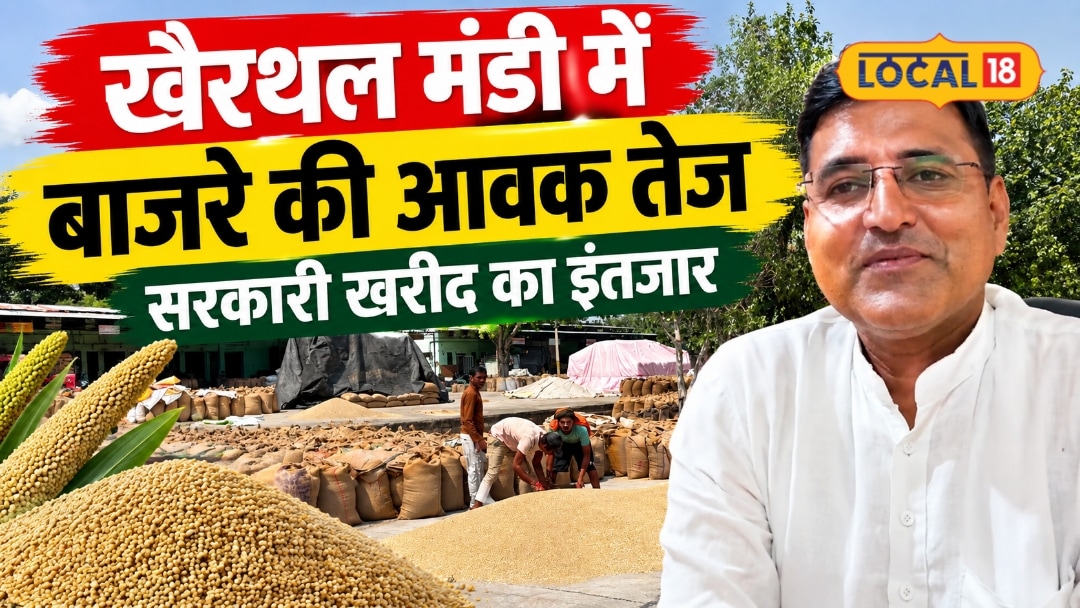
The agricultural produce market located in Khairthal, Rajasthan, has recently experienced an unprecedented and massive surge in the arrival of pearl millet, commonly known as bajra. Local agricultural trading floors are currently bustling with high volumes of the harvested crop, marking one of the most significant seasonal spikes recorded in the region for this particular grain. Agricultural economists and market observers are closely monitoring the trading floors as thousands of cultivators bring their fresh produce directly to the marketplace in search of viable buyers and fair market compensation.
This heavy market influx is intrinsically linked to the expanded agricultural cultivation patterns observed across the region during the current crop season. Official agricultural data indicates that the total land area dedicated to pearl millet cultivation within the district has expanded significantly, reaching a total of 83,900 hectares. This substantial expansion in the farming footprint naturally resulted in a bountiful harvest, creating a situation where local storage and transportation networks are operating at peak capacity to manage the sheer volume of grain being transported from rural farm gates to the central trading yards.
Market dynamics on the trading floor reflect intense commercial activity, with daily arrivals consistently estimated between 15,000 to 20,000 sacks of grain flooding the facility. Amidst this high volume of supply, pricing has shown noticeable variation based on the physical attributes and cleanliness of the produce. Premium lots exhibiting superior grain quality are currently commanding top market rates, successfully reaching up to 2,200 rupees per quintal. This particular price point has offered a measure of immediate financial relief to local farmers who have invested heavily in seeds, fertilizers, and labor for their seasonal cultivation efforts.
Despite the encouraging market rates for high-grade produce, the broader farming community continues to face structural economic challenges due to the current absence of official government procurement operations. Because formal procurement centers have yet to initiate buying operations, many cultivators are unable to leverage statutory minimum support prices for their entire harvest. This regulatory gap leaves farmers vulnerable to market fluctuations, compelling agricultural advocates and local traders to voice serious concerns regarding the delayed intervention of state-backed purchasing mechanisms.
The current situation in Khairthal carries profound implications for the local agrarian economy, influencing the financial well-being of countless farming families residing throughout the region. The interplay between increased production volume and unregulated market pricing directly impacts rural liquidity, determining the capacity of local households to settle debts and finance subsequent agricultural cycles. Market committees and regional administrators are under increasing observation from community leaders who emphasize the vital necessity of stabilizing agricultural revenues to sustain the broader rural economy.
In response to these persistent challenges, prominent local traders and agricultural representatives have formally articulated the urgent need for structural policy reforms in grain procurement. Drawing direct comparisons with administrative practices in neighboring Haryana, industry stakeholders have strongly advocated for the immediate implementation of guaranteed minimum support price procurement across Rajasthan. Such administrative measures are viewed by market participants as essential safeguards to protect cultivators from distress selling during periods of peak seasonal abundance.
Looking ahead, market participants and agricultural communities maintain an expectant outlook regarding potential administrative announcements concerning grain procurement schedules. The ongoing dialogue between trade associations, farming cooperatives, and regional authorities remains critical in shaping the immediate trajectory of agricultural trade in Khairthal. Stakeholders continue to press for proactive regulatory frameworks that can harmonize market forces with guaranteed price protections, ensuring long-term economic viability for all participants in the regional agricultural sector.