
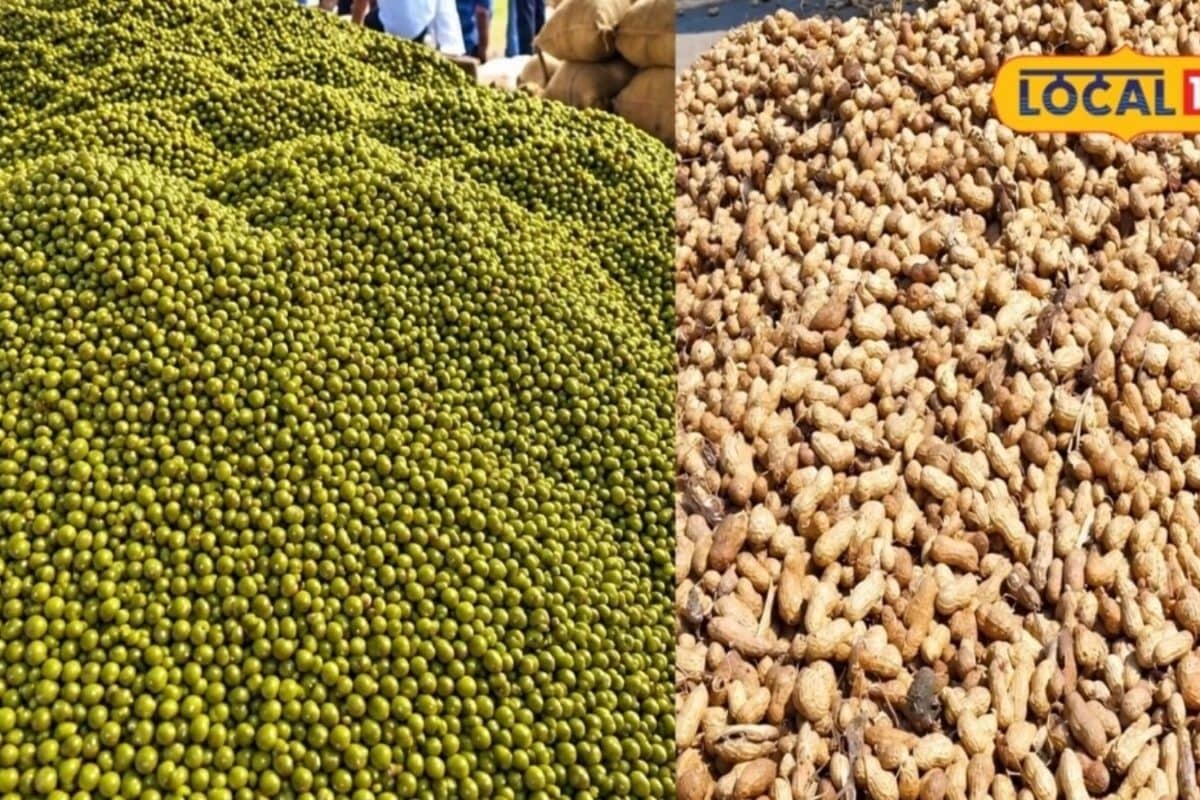
Farmers across the Sikar region are set to receive the benefits of the newly revised Minimum Support Price rates for various Kharif season crops. This official adjustment brings specific financial figures into effect for staple agricultural produce, directly impacting the rural economy and household incomes throughout the district. Agricultural communities have been closely monitoring these announcements as they plan their seasonal harvesting and marketing strategies for the upcoming months.
The determination of support prices remains a critical element of agricultural policy, historically designed to protect cultivators from drastic market volatility and ensure a dependable baseline income. Over successive seasons, these adjustments have served as an economic anchor for agrarian households navigating unpredictable weather patterns and shifting input costs. The structured rollout of these rates reflects ongoing efforts by policymakers to address structural challenges within the domestic food grain and oilseed sectors.
Market participants and farming representatives have expressed mixed reactions regarding the adequacy of these marginal increases, particularly in light of rising expenditures on fertilizers, seeds, and irrigation. While government procurement offers a guaranteed financial safety net, many cultivators weigh these official rates against prevailing open market trends. When open market prices offer superior financial returns, cultivators frequently prioritize commercial sales through private traders at local mandis over formal government procurement channels.
The broader regional economy, deeply intertwined with agricultural prosperity, feels the immediate ripple effects of these pricing structures. Local trade networks, transport operators, and rural artisans depend significantly on the disposable incomes generated by successful crop sales. Any upward or downward shift in cultivator purchasing power directly influences commercial turnover across municipal markets and agricultural townships within the district.
To streamline the logistical aspects of the seasonal harvest, administrative authorities have established 19 dedicated procurement centers across Sikar. This decentralized network is intended to minimize transportation hurdles for cultivators, ensuring they have accessible local options to dispose of their produce without incurring prohibitive transit costs. District agricultural officials are tasked with overseeing these centers to maintain transparency and efficiency throughout the procurement duration.
As the procurement window approaches, the forward outlook depends heavily on how efficiently these designated centers operate and whether market prices remain favorable. Cultivators are advised to stay informed regarding quality parameters, registration procedures, and operational timelines at their nearest procurement locations. Ensuring a seamless administrative process will remain vital for maximizing the intended socio-economic benefits for the farming community.