
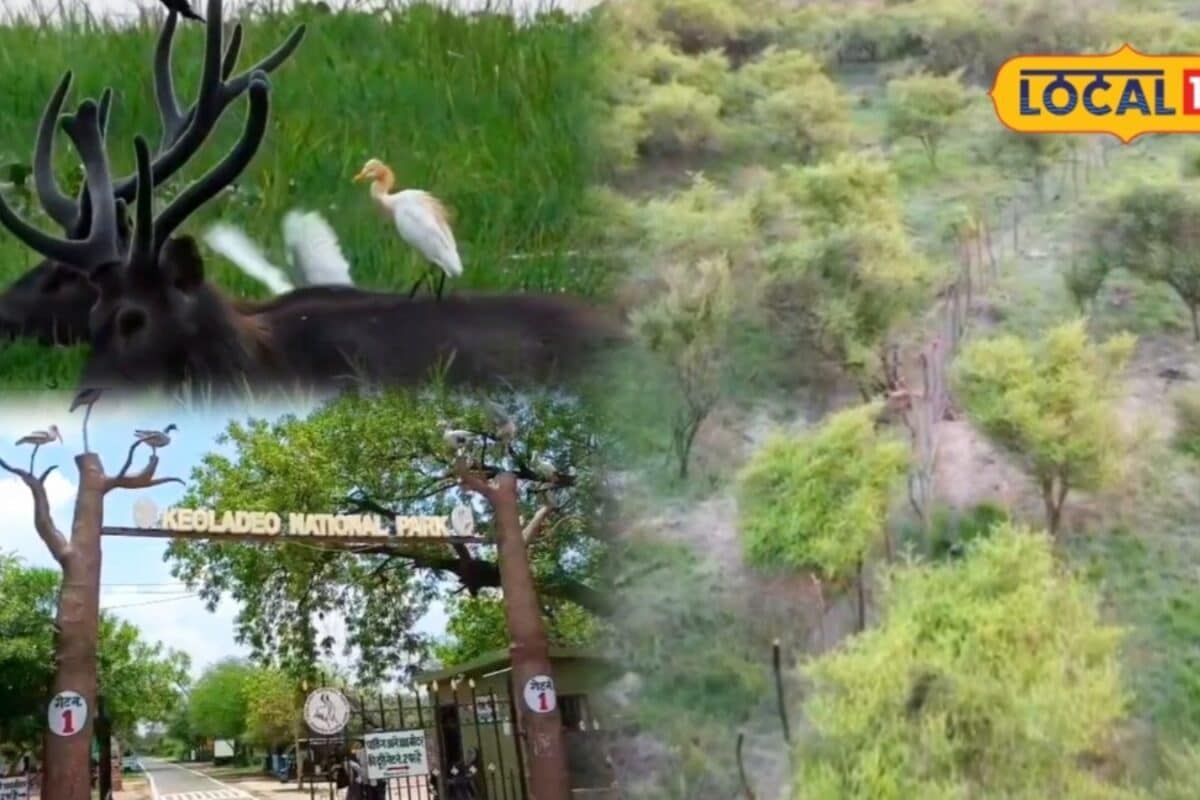
In a significant developmental leap for wildlife conservation, Bharatpur's globally acclaimed Keoladeo National Park is introducing a pioneering healthcare mechanism for its resident and migratory fauna. According to recent reports concerning Bharatpur Keoladeo National Park News, the forest administration is shifting its medical strategy toward providing open and natural environmental treatment for injured and sick wildlife. This progressive shift marks a departure from traditional, confined enclosure treatments that often induce captivity stress in recovering animals.
Historically, wildlife rescue operations within protected sanctuaries have heavily relied on enclosed medical cages, quarantine blocks, and concrete veterinary wards. While these structures provided necessary physical isolation, they frequently subjected sensitive avian species and mammals to prolonged psychological distress. Recognizing this ecological limitation, wildlife veterinarians and park management at Keoladeo National Park have conceptualized an integrated approach where healing occurs in harmony with nature, utilizing controlled open sectors within the protected boundaries.
The logistical framework of this initiative involves designating specialized natural zones equipped with modern veterinary emergency kits, mobile monitoring units, and constant surveillance by expert wildlife biologists. Although specific monetary allocations and official infrastructural statistics are continuously updated by the forestry department, the emphasis remains squarely on creating stress-free recovery corridors. Injured birds, deer, and other indigenous fauna will now recuperate while retaining their natural behavioral instincts, foraging habits, and social interactions within secured open habitats.
Wildlife conservationists, environmental researchers, and local administrative stakeholders have universally welcomed this compassionate administrative decision. Senior forest officials have noted that keeping recovering animals in simulated natural ecosystems drastically reduces mortality rates linked to captivity depression. Local community leaders and nature guides operating around the Bharatpur sanctuary have also expressed optimism, pointing out that healthier wildlife populations enhance the overall ecological integrity of the protected zone and enrich visitor experiences.
While the immediate geographical focus centers strictly on the sanctuary located in Bharatpur, the administrative paradigm holds significant regional relevance for environmental management across neighboring districts, including Kotputli-Behror. As ecological corridors and wildlife preservation policies gain heightened scrutiny across the region, sustainable methodologies adopted at premier institutions like Keoladeo National Park serve as a benchmark for state-level biodiversity protection frameworks, promoting harmonious human-wildlife coexistence.
The administrative machinery overseeing Keoladeo National Park remains committed to executing this health initiative with rigorous veterinary oversight and scientific precision. Special training sessions are currently being organized for forest guards, animal handlers, and attending veterinarians to manage emergency responses within open terrain safely. Standard operating procedures are being continuously refined to ensure that open-air medical interventions do not compromise the safety of the wider sanctuary ecosystem or expose vulnerable patients to secondary infections.
Looking ahead, the successful implementation of this natural treatment model is expected to pave the way for broader veterinary infrastructure reforms across other protected forests and national parks in the region. Conservation experts anticipate that documenting the recovery metrics of animals treated under this open-environment protocol will yield valuable academic research data. Ultimately, this initiative reinforces Keoladeo National Park's enduring legacy as a premier global sanctuary dedicated to compassionate and scientifically advanced wildlife stewardship.
