
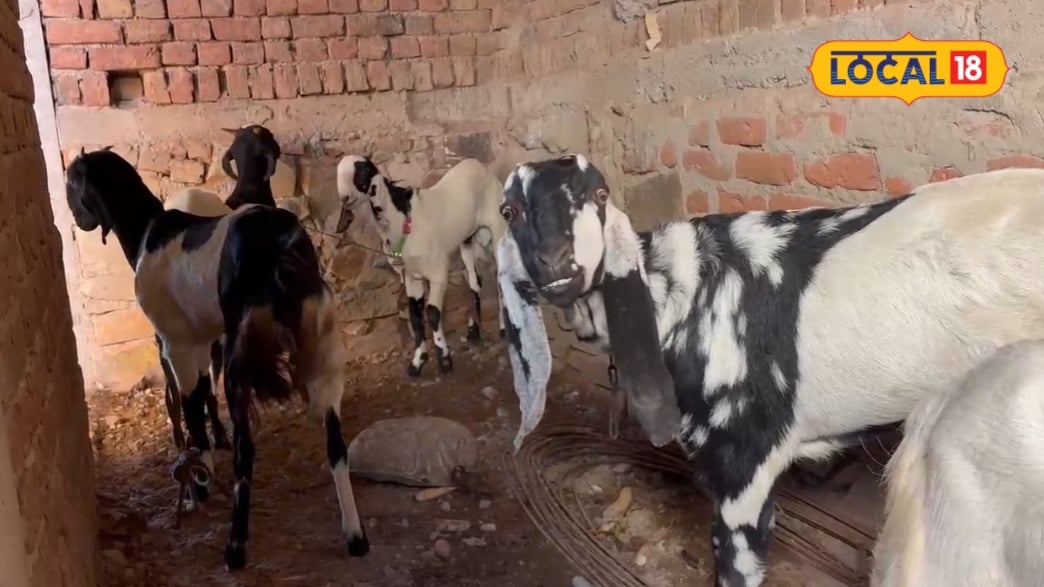
Veterinary authorities have issued a comprehensive public health alert for livestock owners regarding the rapid spread of sheep and goat pox, a dangerous viral disease impacting small ruminants. This infectious condition poses a significant threat to the rural economy and agricultural livelihoods by directly targeting the health and productivity of livestock populations. Field veterinarians have reported that the virus spreads efficiently among herds, necessitating immediate vigilance and preventive measures from the farming community.
Historically, viral pox infections in small ruminants have posed recurring challenges to livestock management across various regions. The disease is caused by a resilient pathogen belonging to the Capripoxvirus genus, which has long been recognized for its high morbidity rates in susceptible animal populations. Understanding the historical context of viral transmission underscores the critical need for strict biosecurity protocols and proactive herd management to prevent widespread epizootic outbreaks.
On the ground, the clinical manifestation of the disease begins with distinct physiological changes in infected animals. Farmers are advised to carefully monitor their flocks for the appearance of red rashes and fluid-filled blisters across the skin. In addition to these dermatological signs, affected animals frequently exhibit systemic symptoms such as high fever, general lethargy, and a marked reduction in feed intake, which severely compromise their overall health and vitality.
The economic stakes of this viral outbreak are profound for livestock rearers, as the infection directly impairs both milk yield and meat production volumes. Local farmers, dairy cooperatives, and livestock traders have expressed deep concern over the potential financial losses stemming from diminished productivity and trade restrictions. Stakeholders emphasize the urgent requirement for coordinated community action and institutional support to mitigate the socioeconomic fallout of the disease.
At the regional level, the health crisis has triggered heightened vigilance across rural communities where sheep and goat rearing forms the backbone of the local economy. The rapid transmission dynamics of the virus mean that entire flocks can be compromised within a short timeframe if containment protocols are ignored. Consequently, local administrative bodies and veterinary extension networks have intensified their outreach to educate farmers on recognizing early symptoms and implementing control measures.
Administrative oversight and veterinary response strategies currently focus on breaking the chain of transmission through targeted interventions. Authorities strongly advise isolating any animal showing suspicious symptoms from the healthy flock immediately. Furthermore, comprehensive sanitation and disinfection of animal shelters are mandated, alongside strict prohibitions against administering unprescribed medications without explicit veterinary consultation.
Looking forward, the primary defense against the sheep and goat pox virus remains systematic and timely vaccination administered under professional guidance. Veterinary departments are outlining schedules for prophylactic immunization campaigns to build herd immunity across vulnerable areas. Public cooperation, adherence to quarantine protocols, and proactive veterinary engagement will remain essential in safeguarding livestock health and ensuring long-term agricultural stability.
