
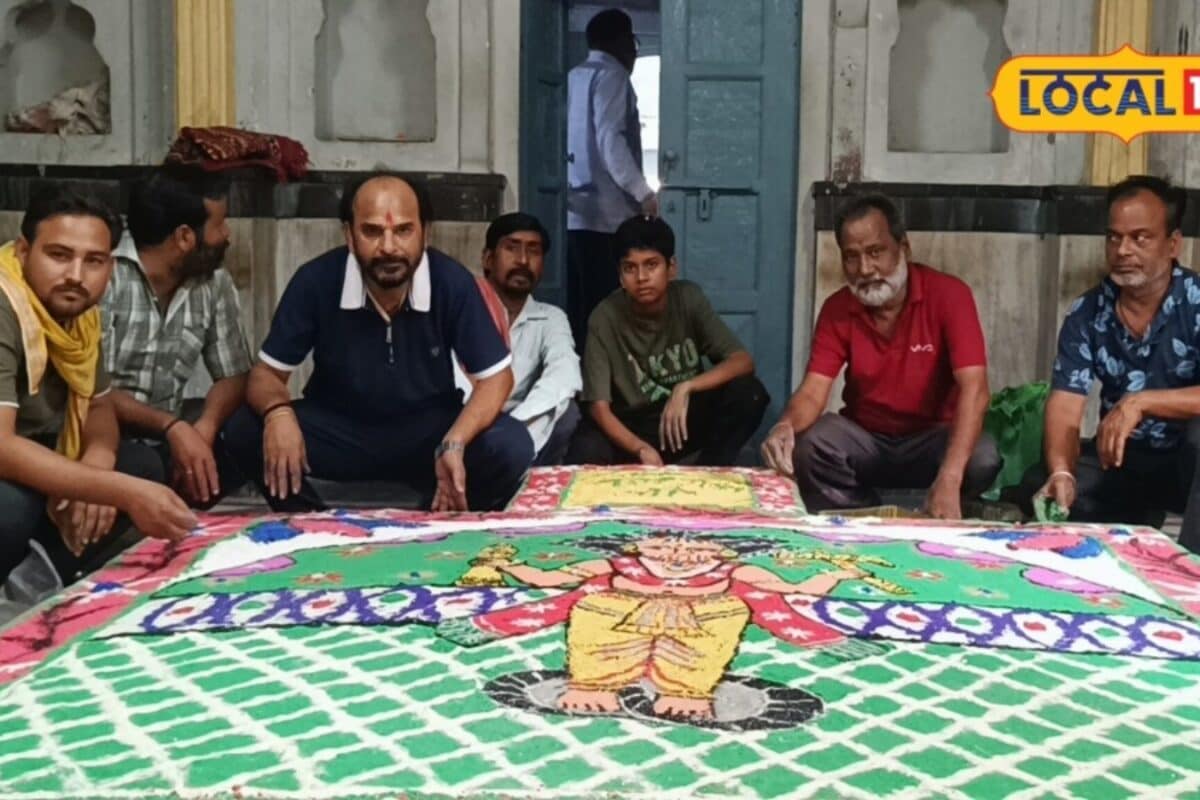
During the sacred period of Pitru Paksha, the historic city of Karauli bears witness to a profound spiritual and artistic engagement. For 16 days, the revered Madan Mohan Ji Temple becomes the focal point of immense devotion, where traditional Sanjhi art takes shape through the hands of dedicated practitioners. This annual observance bridges the gap between historical heritage and living spiritual practice, drawing the attention of devotees and cultural enthusiasts alike.
The roots of this tradition run deep within the cultural fabric of Karauli, intertwined inextricably with the legacy of the Madan Mohan Ji Temple. Local 18 has brought forth an exclusive exploration into this heritage by conversing directly with the ancestral artists who carry forward the mantle of Sanjhi creation. These artisans have spent decades, and in many cases generations, mastering the intricate techniques required to produce these temporary yet breathtaking devotional installations.
Creating Sanjhi at the Madan Mohan Ji Temple is far from a simple task; it demands rigorous physical effort, artistic precision, and unyielding devotion. The ancestral artists invest countless hours over the 16 days of Pitru Paksha, meticulously crafting expressions of Lord Krishna's devotion through powdered colors and traditional motifs. The sheer scale of labor and meticulous attention to detail involved in this sacred craft often goes unnoticed by the casual observer.
Amidst the vibrant displays of faith and artistry, conversations with the traditional creators shed light on the pressing concerns regarding the future of Sanjhi. The generational custodians of this art form voiced their apprehension about whether younger generations will sustain the lineage. Economic sustainability, lack of formal institutional patronage, and the demanding nature of the craft present significant hurdles to the preservation of this unique regional heritage in Karauli.
The cultural resonance of the Sanjhi tradition at the Madan Mohan Ji Temple extends far beyond the immediate temple premises, influencing the broader socio-cultural identity of the region. As pilgrims and visitors gather in Karauli during Pitru Paksha, the local economy and community engagement experience a notable uplift. The presence of these authentic cultural practices reinforces the spiritual tourism potential of the area, making it a vital subject of regional significance.
Despite the profound cultural importance of the 16-day tradition, the artisans emphasize the urgent need for structured support systems. Stakeholders and cultural preservationists have begun discussing potential avenues to mentor youth and document the intricate techniques before they fade. Ensuring the continuity of this ancestral craft requires concerted efforts from community leaders and cultural bodies operating within Karauli.
Looking ahead, the continuation of the Sanjhi tradition at the Madan Mohan Ji Temple remains delicately balanced between passionate devotion and modern socio-economic pressures. The insights gathered by Local 18 serve as a timely reminder of the fragility of indigenous art forms. As the 16 days of Pitru Paksha conclude each year, the hope persists that renewed appreciation and institutional backing will secure the future of Sanjhi for generations to come.
