
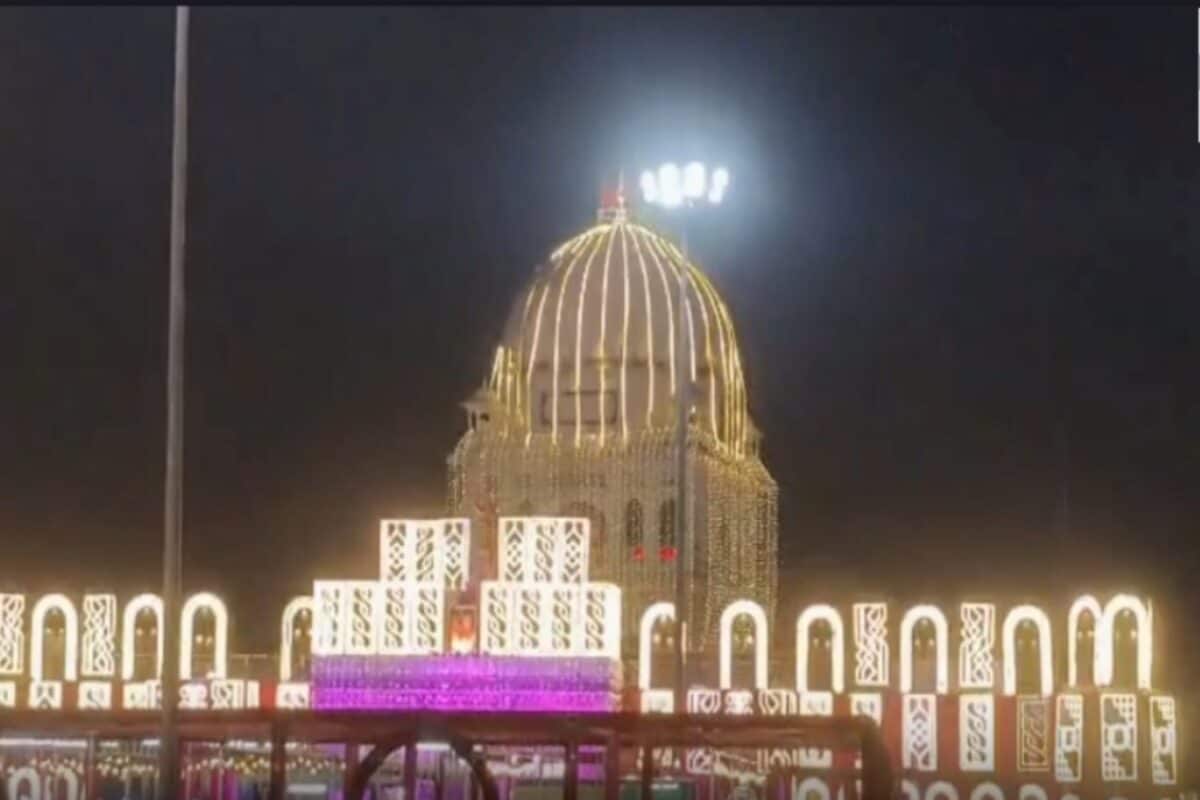
During the auspicious festival of Navratri, a massive wave of devotees has descended upon the sacred Karni Mata Temple located in Deshnok, within the Bikaner region of Rajasthan. Pilgrims from across the country have gathered in unprecedented numbers to offer prayers, seek blessings, and participate in the vibrant religious festivities that define this holy period. The atmosphere surrounding the temple complex reverberates with devotional chants and spiritual fervor as countless worshippers wait patiently for hours to enter the inner sanctum.
The Karni Mata Temple stands as one of the most culturally and historically significant heritage sites in the region, deeply embedded in the folklore and spiritual traditions of Rajasthan. Dedicated to the revered mystic and incarnation of Goddess Durga, Karni Mata, the temple has nurtured a unique ecosystem over centuries. According to historical accounts and temple traditions, the site is globally recognized for its protective sanctuary granted to thousands of resident rodents, which are revered and treated with utmost care by the local community and temple priests.
Ground reports indicate that the temple complex currently houses approximately 20,000 rodents, creating a visually extraordinary environment that startles and fascinates first-time visitors alike. These creatures roam freely throughout the marble halls and courtyards without causing any disruption to the daily rituals or the vast multitudes of pilgrims. The presence of these animals is central to the temple's identity, symbolizing the profound spiritual connection between human beings, divinity, and nature as taught by the presiding deity centuries ago.
Among the multitude of rodents residing within the sacred precincts, spotting a white rat—locally and affectionately referred to as a kaba—remains the ultimate spiritual aspiration for every pilgrim visiting the shrine. Temple authorities and regular visitors explain that catching even a fleeting glimpse of a white rat is considered an extraordinary omen of good fortune, divine grace, and supreme prosperity. Consequently, thousands of devotees spend hours attentively scanning every corner of the temple floor, hoping that the elusive white rodents will reveal themselves.
While the immediate celebrations and religious observances are centered around Deshnok and Bikaner, the profound cultural impact of the Navratri festivities resonates deeply throughout Rajasthan, extending its vibrancy to districts such as Kotputli-Behror. Local communities, regional traders, and cultural enthusiasts closely follow the grand celebrations at the Karni Mata Temple, as the influx of pilgrims significantly boosts regional tourism, transport services, and hospitality networks across the state during the auspicious autumn festival.
Recognizing the immense scale of the gathering, local administrative bodies, police departments, and temple trusts have collaborated closely to implement comprehensive security, crowd-control, and sanitation measures. Officials have deployed adequate security personnel to regulate the serpentine queues of devotees, ensuring orderly entry into the main sanctum while maintaining public safety. Medical camps and drinking water stations have also been established in and around the temple periphery to assist elderly pilgrims and families enduring long wait times.
As the Navratri celebrations progress toward their culmination, expectations remain high for an even greater surge of devotees arriving to offer their final prayers. Temple management committees have confirmed that all customary rituals, special night vigils, and devotional offerings will continue uninterrupted under strict administrative supervision. The enduring legacy of the Karni Mata Temple continues to inspire profound devotion, drawing millions of faithful souls who seek spiritual solace and the legendary blessings of the white kabas.
