
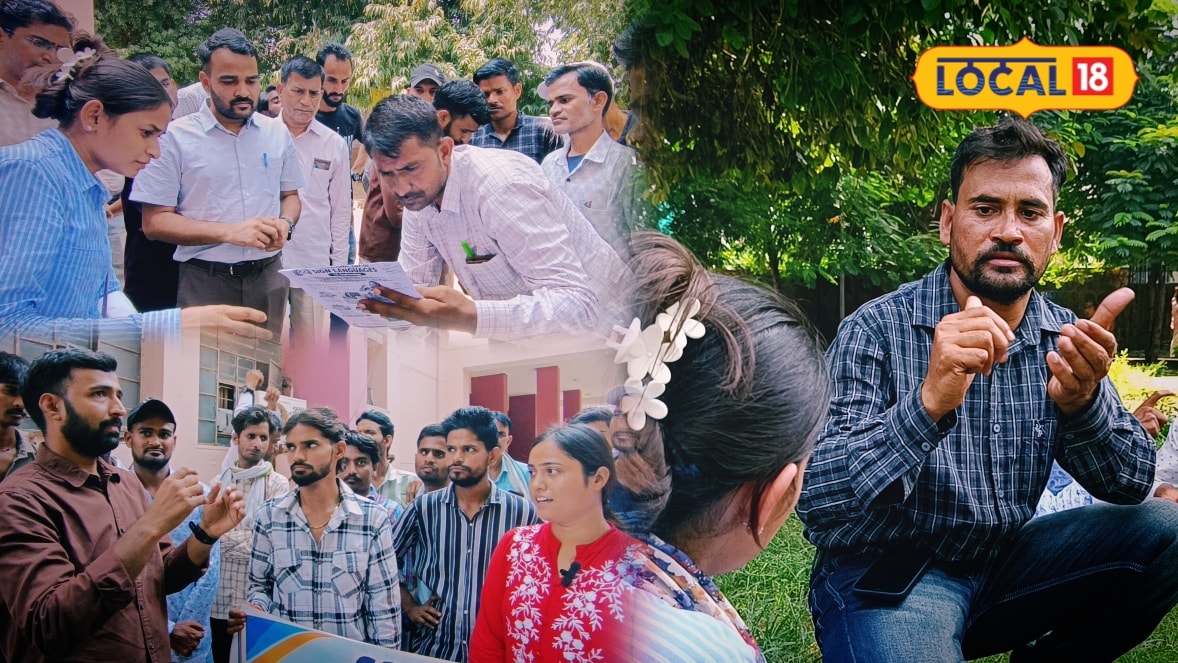
In a striking demonstration of civic assertion and the fundamental quest for parity, forty hearing-impaired youths recently converged in Karauli to demand absolute equality in educational opportunities, healthcare access, judicial fairness, and employment prospects. The organized mobilization, which coincided with International Sign Language Day, brought to the forefront the persistent systemic challenges and societal oversights that continue to marginalize individuals with speech and hearing impairments within the region.
The historical backdrop of this movement is rooted in decades of systemic exclusion and the profound communication barriers that prevent hearing-impaired citizens from fully participating in public life. Despite constitutional guarantees of equality, individuals within this vulnerable community frequently find themselves alienated from mainstream educational institutions, specialized vocational training programs, and equitable recruitment processes, thereby perpetuating a cycle of economic dependence and social isolation.
Operating on the ground, the meticulous logistical coordination of the rally highlighted the active mobilization of forty participants who marched resolutely through designated thoroughfares in Karauli. These individuals utilized structured sign language expressions to articulate their daily struggles regarding institutional neglect, absence of accessible public infrastructure, and the distinct lack of government-backed welfare schemes tailored specifically to their developmental needs.
A critical catalyst in bridging the communication divide during the demonstration was the instrumental presence of specialized sign language experts Sarita Meena and interpreter Bhavna Sonwal. Through their professional facilitation, the nuanced concerns, emotional distress, and specific administrative appeals formulated by the hearing-impaired youths were flawlessly translated, ensuring that the district authorities fully grasped the gravity of the memorandum submitted at the conclusion of the march.
The broader regional implications of this advocacy resonate deeply across administrative districts including Kotputli-Behror, where advocacy groups continuously campaign for inclusive infrastructural development and accessible public services. The socioeconomic integration of hearing-impaired citizens remains a vital economic imperative, as harnessing their latent productive potential directly contributes to regional workforce diversity and equitable community advancement.
Responding to the formal memorandum presented by the delegation, local administrative officials acknowledged the legitimacy of the demands concerning education, healthcare, justice, and employment opportunities. Representatives from the district administration assured the gathering that the grievances would be reviewed meticulously, with necessary policy recommendations forwarded to relevant state departments for statutory consideration and administrative redressal.
Looking toward the future, the successful execution of this rally establishes a vital benchmark for ongoing advocacy, setting a definitive timeline for administrative accountability and public policy responsiveness. The community expects tangible institutional reforms, improved budgetary allocations for specialized sign language interpretation services in public offices, and sustained governmental commitment toward ensuring absolute parity for all citizens regardless of their physical abilities.