
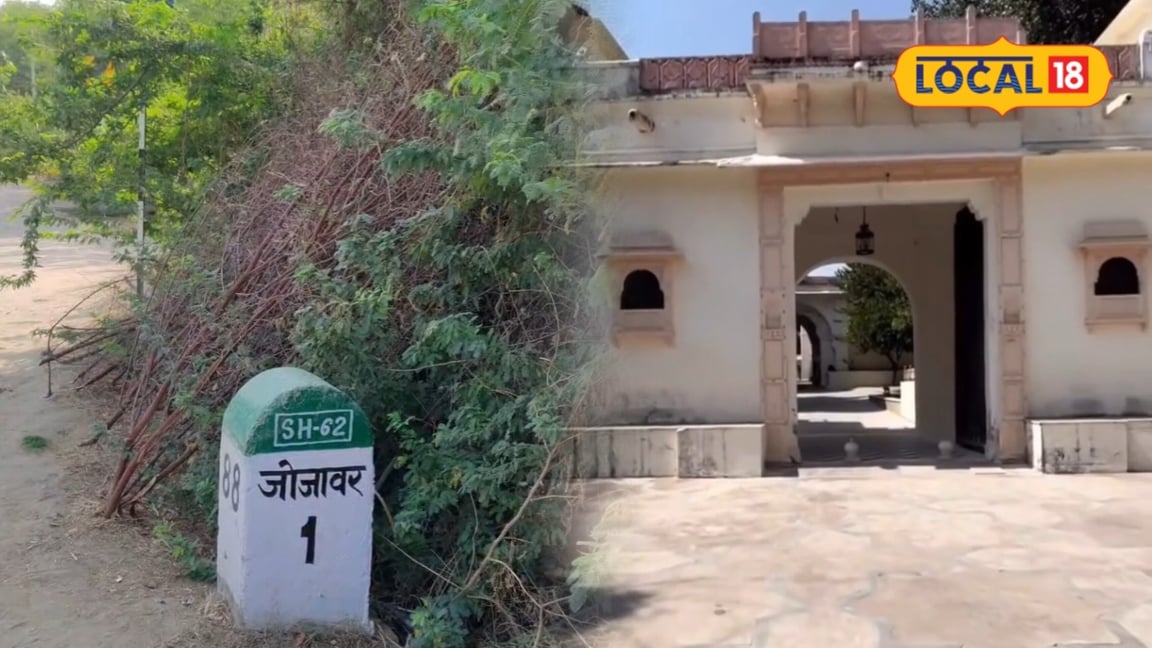
Nestled strategically on the historical borderlands of the prominent former principalities of Mewar and Marwar within Pali district, Jojawar Village stands as a remarkable monument of cultural convergence. Known widely in ancient times by the distinguished name of Jahajpur, this settlement has continuously captivated historians, culture enthusiasts, and travelers alike. The geographical positioning of the village right at the historical crossroads of two fiercely proud and culturally rich erstwhile kingdoms has naturally shaped its unique socio-cultural fabric over the centuries.
Delving deep into the historical chronicles of the region reveals that Jojawar boasts a glorious heritage that stretches back over an impressive timeframe of five hundred years. This half-millennium of recorded and architectural history establishes the village not merely as a rural settlement, but as a living museum of ancient regional architecture, governance styles, and traditional lifestyles. The historical transition of the settlement from its earlier moniker of Jahajpur to its current designation mirrors the broader geopolitical shifts that characterized the medieval and early modern epochs of Rajasthan.
The physical landscape of Jojawar Village is profoundly dotted with magnificent historical structures that bear eloquent testimony to its royal past. Among the most prominent architectural marvels that define the skyline and cultural identity of the area are the ancient Garh Halawata and the majestic royal Rawla. These enduring edifices, constructed with meticulous traditional craftsmanship, serve as physical anchors connecting the contemporary residents of the village with the grandeur, valor, and artistic sophistication of their ancestors.
Local historians, community elders, and cultural custodians frequently emphasize how the daily life, social customs, architectural motifs, and linguistic nuances within Jojawar reflect an organic synthesis of Mewari and Marwar traditions. Unlike many border regions where cultural blending often leads to friction, Jojawar has successfully harmonized these dual heritages into a cohesive, peaceful, and vibrant community identity that attracts researchers and heritage tourists from far and wide.
The broader regional implications of preserving and promoting historical settlements like Jojawar within Pali district and the surrounding territorial expanse cannot be overstated. As modern developmental pressures increasingly threaten traditional rural landscapes, the safeguarding of such five-century-old architectural landmarks provides a critical educational resource for younger generations seeking to understand their roots and regional identity.
Administrative oversight and local governance bodies have progressively recognized the tourism and heritage potential inherent in Jojawar Village. Efforts are increasingly directed toward ensuring that the structural integrity of ancient landmarks such as Garh Halawata and the royal Rawla is professionally maintained, protecting them from environmental degradation and the ravages of time while respecting their historical value.
Looking forward, the preservation trajectory of Jojawar Village points toward an enhanced focus on sustainable heritage tourism and community-led historical conservation. By celebrating its dual Mewar-Marwar legacy and its ancient roots as Jahajpur, the village is well-positioned to secure its rightful place on the cultural tourism map of Rajasthan, ensuring that its five-century saga continues to inspire future generations.
