
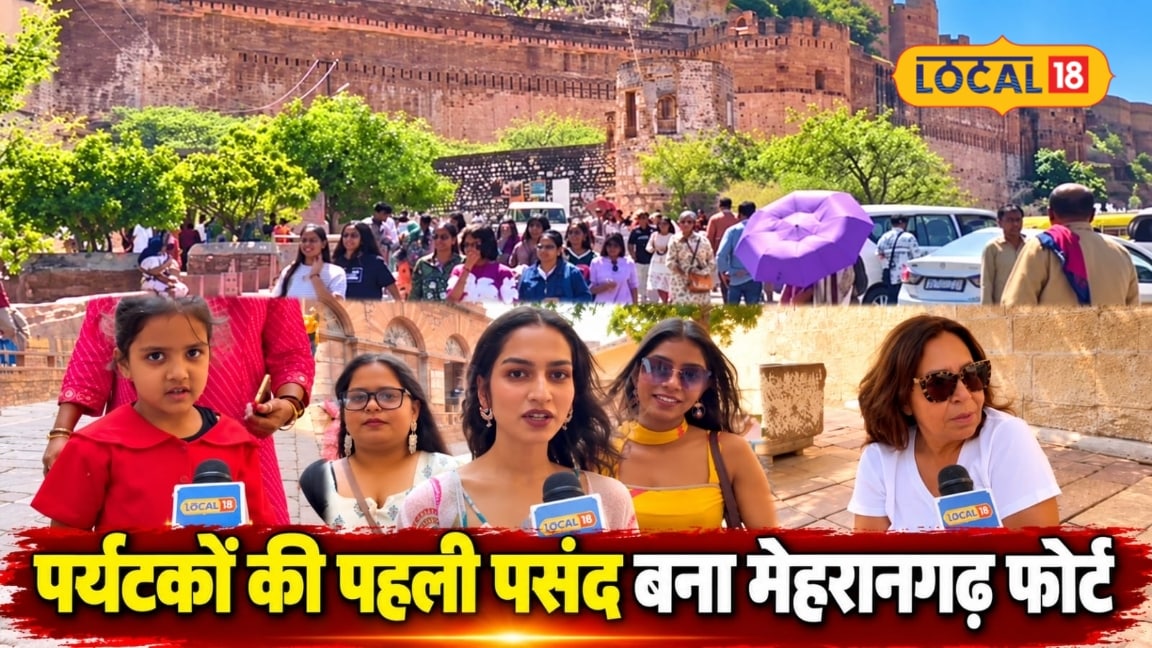
With the gradual onset of the winter season and the noticeable arrival of chilly nights, the cultural capital of Rajasthan, popularly known as the Sun City of Jodhpur, has experienced a remarkable surge in the arrival of domestic and international tourists. The transition in weather conditions has established an ideal atmosphere for exploration, drawing travelers from various corners to experience the rich heritage and architectural marvels of the region. This seasonal reactivation marks the official commencement of a promising tourism cycle for the entire district.
Historically renowned for its majestic forts, sprawling palaces, and vibrant cultural ethos, Jodhpur has consistently remained a focal point for global heritage tourism. The cultural landscape of the city, shaped by centuries of royal patronage and historical events, serves as a primary magnet for history enthusiasts and leisure travelers alike. The current influx represents a continuation of this rich tradition, wherein the arrival of cooler climatic conditions acts as a natural catalyst for tourism revival across the desert landscape.
On the ground, the reality reflects a vibrant atmosphere across major tourist destinations, where historical landmarks are witnessing steady footfalls. Prominent locations such as the imposing Mehrangarh Fort, the magnificent Umaid Bhawan Palace, and the serene Mandore Gardens are currently buzzing with the active movement of sightseers. Among these premier attractions, the historic Mehrangarh Fort has distinctly emerged as the absolute first choice and favored destination for the vast majority of visiting tourists.
Local tourism businessmen, hoteliers, guides, and handicraft traders have expressed immense optimism regarding the financial stakes of this ongoing season. Stakeholders within the regional tourism industry have articulated strong expectations of securing excellent business prospects over the next six months. This anticipated economic upturn is projected to translate directly into substantial financial gains and the generation of numerous fresh employment opportunities for the local populace.
While the epicenter of this tourism boom remains centered in Jodhpur, the broader cultural and economic ripple effects extend across the wider regional network, drawing comparative interest from nearby administrative zones including the Kotputli-Behror district. The vitality of Rajasthan's heritage economy frequently serves as an economic barometer for regional trade and small-scale entrepreneurship, creating a connected network of economic activity driven by cultural heritage preservation.
Administrative bodies, local municipal authorities, and tourism promotion boards have maintained a supportive operational stance to facilitate the smooth management of surging visitor volumes. Continuous oversight is being exercised to ensure that public amenities, security protocols, and logistical arrangements at major landmarks such as Mehrangarh Fort, Umaid Bhawan Palace, and Mandore Gardens remain optimal and accommodating for the influx of travelers.
Looking forward, the upcoming six-month timeline is viewed with profound positivity and high expectations by all involved commercial sectors. Public expectations remain anchored on sustained visitor momentum, uninterrupted infrastructural facilitation, and the successful execution of seasonal tourism strategies aimed at cementing Jodhpur's status as a premier global heritage destination.
