
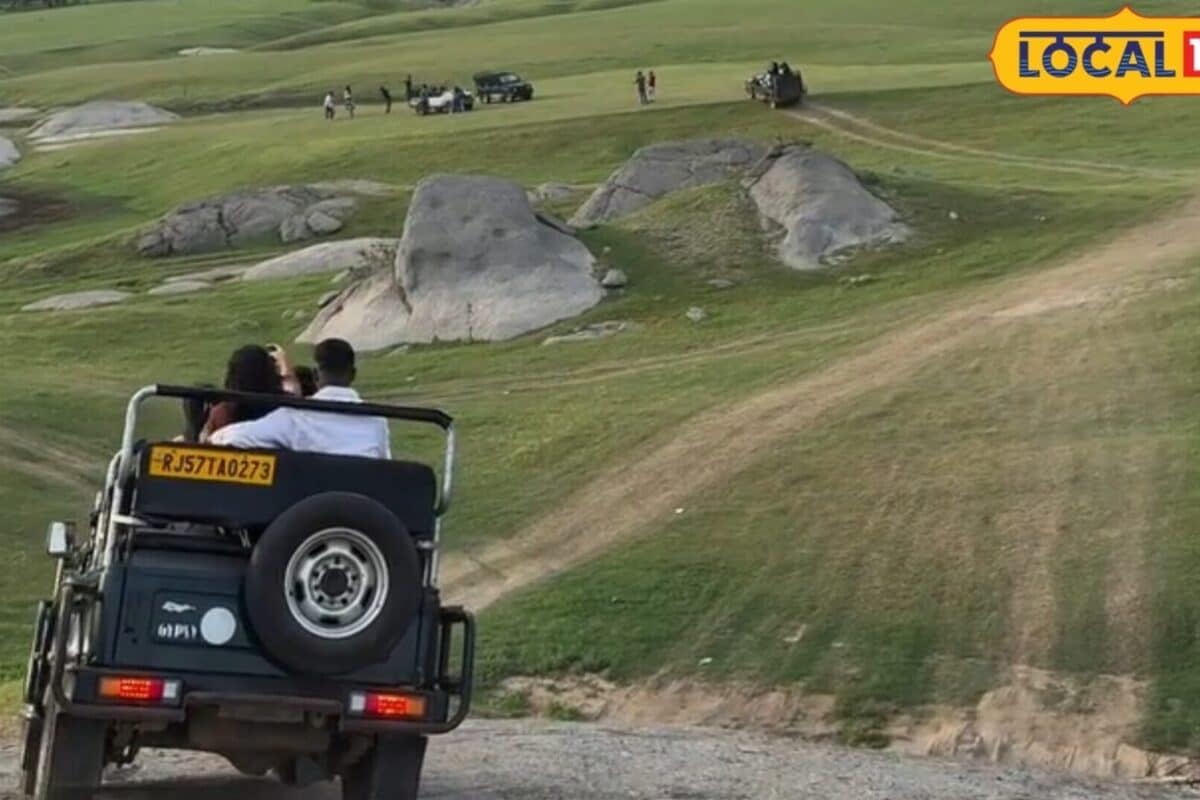
When discussing high-end wildlife tourism in India, destinations like Ranthambore or Jim Corbett often dominate the conversation. However, a stunning transformation has taken place in the Pali district of Rajasthan, where the Jawai Leopard Conservation Reserve now commands nightly accommodation rates ranging from one lakh to two point five lakh rupees. This remote region has successfully positioned itself on the global luxury tourism map, attracting high-net-worth individuals who are willing to pay premium prices for unmatched wilderness proximity.
The origin of Jawai's tourism boom lies in its unique topography and the remarkable coexistence between local pastoral communities, specifically the Rabari shepherds, and the wild leopards. Unlike dense forests where sighting a leopard is largely a matter of chance, the granite hills, natural caves, and open scrublands of the Aravalli range in Jawai provide natural vantage points. Leopards roam freely among human settlements here without major conflict, creating a wildlife viewing ecosystem that is entirely distinct from traditional national parks.
Examining the ground reality and financial stakes reveals that the hospitality infrastructure has evolved far beyond standard wildlife lodges. Premium resorts and tented luxury camps established across the region offer bespoke safaris, fine dining, and private butler services. During the peak winter season, when international and domestic travelers flock to Rajasthan, the demand for these exclusive accommodations spikes dramatically, pushing room tariffs to heights that comfortably rival India's most expensive urban luxury hotels.
Industry experts and tourism stakeholders note that this niche model of conservation-linked hospitality generates substantial revenue for the local ecosystem. Tour operators, wildlife guides, and hospitality professionals point out that affluent tourists are increasingly seeking sustainable yet opulent travel experiences. By integrating high-end luxury with wildlife conservation, the region has created an economy where premium pricing directly correlates with the exclusivity of the natural habitat and the guarantee of ethical wildlife encounters.
While the direct economic benefits are concentrated around the Pali district, the broader regional impact resonates across Rajasthan's tourism corridors. Neighboring districts and transport hubs experience increased economic activity as affluent visitors transition through major airports and cities to reach the remote Aravalli enclave. This influx of high-value tourism stimulates regional transport networks, local handicraft markets, and artisanal businesses that cater to luxury clientele.
Administrative oversight and conservation protocols remain crucial in balancing this rapid commercial growth with environmental preservation. Forest department officials and local authorities continuously monitor tourist movement within the Jawai Leopard Conservation Reserve to ensure that commercial expansion does not disrupt wildlife corridors. Regulatory measures are periodically reviewed to safeguard the natural habitat of the leopards while permitting sustainable eco-tourism initiatives to flourish.
Looking toward the future, the outlook for Jawai remains exceptionally strong as international interest in ethical wildlife tourism continues to expand. Industry projections indicate that demand for ultra-luxury wilderness stays in the Pali district will maintain an upward trajectory, prompting further investments in eco-friendly resort infrastructure. Ensuring long-term ecological balance alongside premium tourism growth will determine whether Jawai can sustain its status as India's premier luxury leopard sanctuary.
