
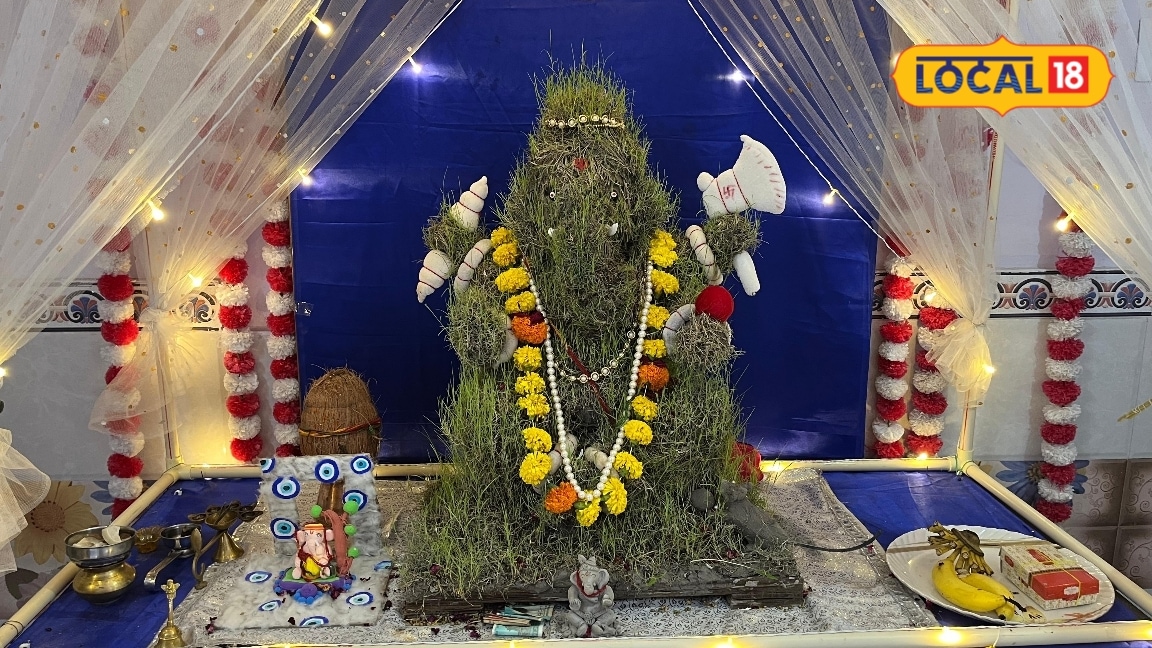
In an extraordinary display of eco-conscious devotion during the ongoing Ganesh festival celebrations, Jodhpur has witnessed a pioneering initiative that seamlessly bridges traditional spirituality with modern environmental preservation. Local environmentalist Surajmal Panwar has successfully conceptualized and created a magnificent, eco-friendly deity of Lord Ganesha entirely out of fresh durva grass. This unique endeavor has rapidly captured public imagination, transforming the traditional narrative surrounding religious festivities into a powerful campaign for ecological sustainability within the region.
The genesis of this unique green idol lies in a growing local and regional dialogue concerning the environmental degradation often associated with traditional festival celebrations, particularly the immersion of chemically treated idols in natural water bodies. Against this backdrop of rising ecological concerns, Surajmal Panwar envisioned a constructive alternative that honors deep-rooted religious sentiments while simultaneously championing environmental stewardship. Rather than resorting to materials that cause pollution, the selection of durva grass—a plant historically and ritually significant in the worship of Lord Ganesha—serves as both an act of profound reverence and a living testament to ecological harmony.
Delving into the meticulous logistics and physical specifications of the project, the creation of this sacred masterpiece required an immense degree of patience, specialized craftsmanship, and uninterrupted dedication. Spanning a rigorous duration of one month, the artisan meticulously shaped and bound the materials to construct an imposing three-foot-tall idol. Weighing a substantial 11 kilograms, the structural integrity of the idol relies heavily on traditional binding techniques combined with botanical expertise, ensuring that the fresh grass maintains its structural form and aesthetic appeal throughout the festive period without relying on synthetic adhesives.
Community members, local residents, and visitors arriving to witness the installation have expressed profound appreciation for the artistic depth and underlying environmental philosophy of the project. Observers and local leaders have noted that such initiatives serve as a vital educational tool for the younger generation, demonstrating that religious devotion does not need to come at the expense of ecological health. The public discourse surrounding the idol highlights an increasing community readiness to embrace sustainable traditions that respect both cultural heritage and the natural environment.
While the immediate celebrations are centered in Jodhpur, the resonance of this innovative initiative extends broadly across surrounding regions, inspiring similar conversations about sustainable festive practices in districts such as Kotputli-Behror. Local communities and environmental groups throughout the broader administrative landscape are closely observing this model, recognizing its potential application for upcoming cultural and religious festivals. The initiative underscores how localized grassroots action can trigger widespread philosophical shifts in how communities approach large-scale public celebrations.
Administrative stakeholders and local civic bodies have also taken favorable note of this environment-friendly precedent, acknowledging the proactive role played by individuals like Surajmal Panwar in promoting sustainable civic practices. While traditional festival protocols often require extensive regulatory oversight regarding waste management and water pollution, self-governing eco-friendly initiatives reduce the burden on municipal machinery. Civic authorities have increasingly emphasized the importance of public-private cooperation in fostering green alternatives during major festive seasons.
Looking toward the future, the life cycle of this remarkable Ganesha idol does not conclude with traditional immersion ceremonies. In a final, defining act of environmental commitment, the entire 11-kilogram durva grass structure will be systematically replanted in a designated public park following the conclusion of the festival rituals. This thoughtful post-immersion procedure ensures that the sacred grass continues to grow, transforming religious devotion into a permanent fixture of urban greenery and reinforcing the enduring message of environmental sustainability for months to come.