
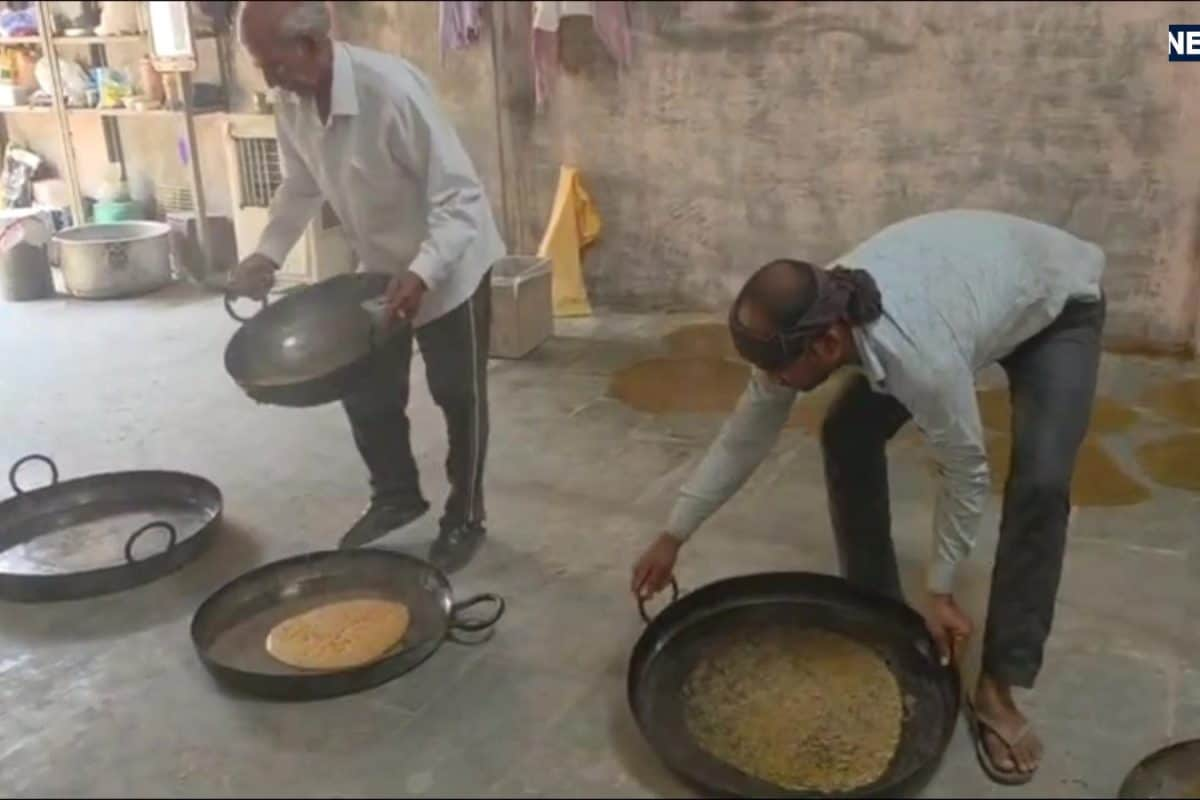
Deep within the historic city of Bikaner, a fascinating and distinctive tradition of celebrating the festival of lights continues to thrive with unwavering devotion. During the auspicious occasion of Diwali, local residents faithfully uphold a unique ritual that dates back directly to the princely era of the region. The central focus of this longstanding custom revolves around the elaborate worship of Goddess Lakshmi, where traditional sweets meticulously crafted from sugar occupy the primary position of reverence on the sacred altar.
Tracing the historical roots of this practice reveals a fascinating window into the bygone royal era of Bikaner. Descendants of the region and long-standing artisan families note that these specific culinary preparations were conceptualized during the reign of former rulers to add grandeur to the festivities. Over the centuries, what began as a royal prerogative gradually permeated through various strata of society, eventually transforming into an essential cultural anchor that defines how the entire community observes the festival of Diwali.
Examining the ground reality of this annual celebration brings to light the specialized scale of production required to meet local demands. In the weeks leading up to Diwali, dedicated sweet manufacturing units and traditional workshops in Bikaner shift into high gear. Artisans spend countless hours utilizing specialized molds and traditional techniques to shape the sugar into architectural masterpieces and distinct confections that reflect both architectural heritage and culinary artistry.
Community sentiment and local stakeholder perspectives uniformly emphasize the irreplaceable role these traditional confections play in domestic rituals. According to elders and prominent community members, performing the sacred Lakshmi Puja without these specific items is considered entirely unthinkable. Traders and sweet makers report that despite modern alternatives flooding contemporary markets, the demand for these authentic heritage items remains consistently robust across all generations.
The broader cultural resonance of this tradition extends far beyond mere culinary appreciation, acting as a vital thread connecting contemporary society with its historical roots. While the direct operational hub remains anchored in Bikaner, the cultural appreciation for such deeply preserved traditions resonates strongly across neighboring administrative zones and districts, fostering a shared regional identity built upon historical continuity and collective heritage.
Administrative observations and local cultural preservation groups actively monitor and document these indigenous practices to ensure they are safeguarded against the erosion of time. Local authorities and cultural bodies often facilitate exhibitions and acknowledge the skilled artisans whose labor-intensive craft keeps these ancestral techniques alive, thereby providing official recognition to intangible cultural heritage.
Looking toward the future, the outlook for this centuries-old Bikaner tradition remains remarkably bright as younger generations show a renewed interest in participating in ancestral rituals. Community leaders and local trade associations are actively planning educational initiatives and specialized showcases to ensure that the intricate skills required to craft these sugar monuments are successfully transmitted to upcoming generations, guaranteeing that the sweet legacy of Bikaner endures for centuries to come.
