
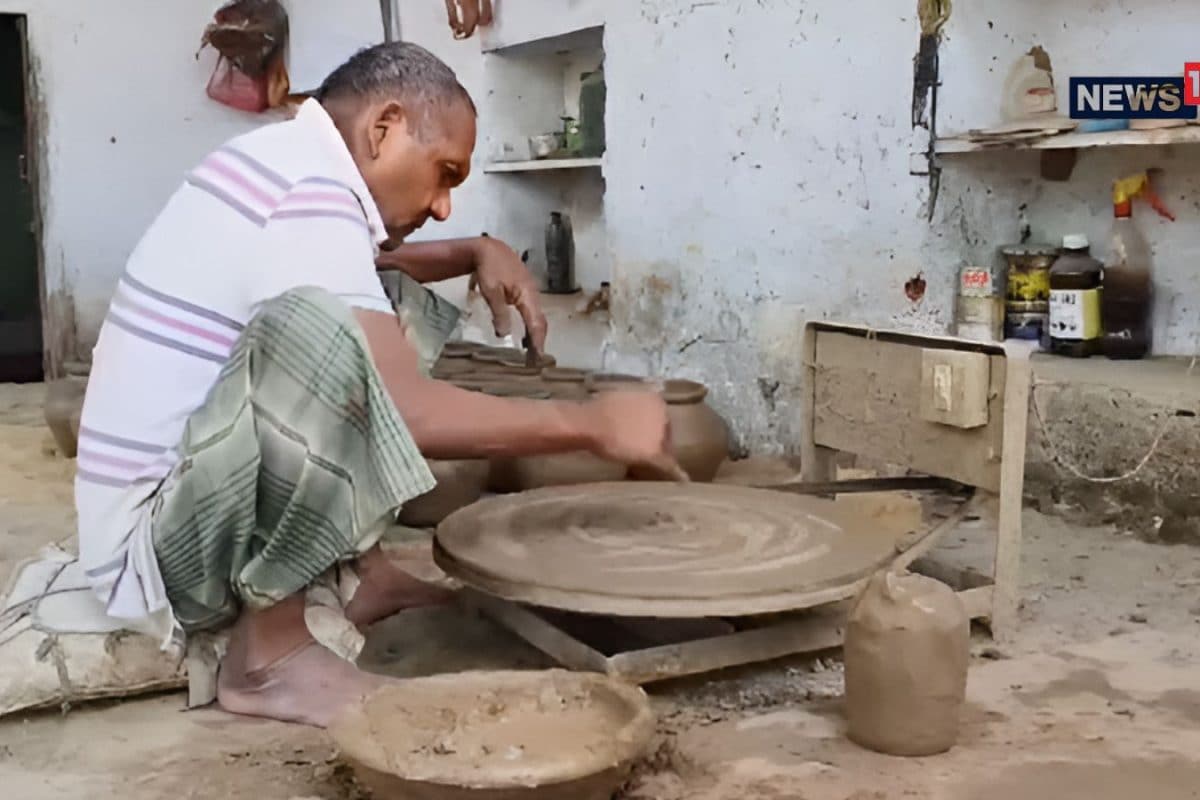
The markets of Jhunjhunu are currently witnessing an unprecedented surge in the demand for indigenous products, with traditional clay lamps and ceremonial urns taking center stage as Diwali approaches. This remarkable shift towards domestic artistry highlights a deeply ingrained cultural preference for locally crafted goods over mass-produced alternatives. As consumers increasingly prioritize the 'vocal for local' ethos, the commercial landscape of the region is undergoing a vibrant transformation, breathing new life into age-old traditional markets.
Historically, the pottery community has served as the backbone of rural and semi-urban festive celebrations, relying heavily on the seasonal sale of earthen wares to sustain their livelihoods throughout the year. In recent decades, however, these traditional artisans faced stiff competition from cheap imported and machine-made plastic decorations that flooded the commercial sector. The current revival of indigenous manufacturing marks a significant historical turning point, validating the resilience and cultural relevance of indigenous Indian craftsmanship.
On the ground, the logistical stakes are exceptionally high for hundreds of artisan families residing across Jhunjhunu. With the sudden escalation in market demand, potters have reported working round the clock to fulfill extensive orders for designer clay lamps and intricately crafted ceremonial urns. The sheer volume of production required to meet consumer expectations has transformed quiet workshops into bustling hubs of artisanal activity, driving local economic circulation upward during the peak festive trading window.
Prominent community voices, local traders, and artisan representatives have expressed immense gratitude for this grassroots economic shift. Stakeholders note that the conscious choice made by ordinary citizens to purchase handmade earthen items directly supports marginalized families who depend entirely on seasonal revenues. This conscious consumer behavior has fostered a deep sense of community solidarity, ensuring that the fruits of festive commercial activity reach the grassroots level.
The positive economic ripples of this festive revival extend far beyond the immediate boundaries of Jhunjhunu, influencing surrounding commercial ecosystems and regional supply chains. Traditional markets in neighboring districts are similarly experiencing heightened interest in indigenous merchandise, creating a unified regional movement that champions domestic labor and sustainable materials. This collective economic synergy reinforces the interdependence of local artisans and regional consumers.
Although direct administrative interventions are secondary to this organic market-driven shift, local authorities and civic bodies have continuously encouraged the promotion of eco-friendly and indigenous goods. Past awareness campaigns emphasizing environmental sustainability and the patronage of local artisans have laid a fertile groundwork for this year's commercial success. Officials continue to monitor marketplace activities to ensure fair trade practices and adequate logistical support for temporary artisan stalls.
Looking forward, the impressive market performance in Jhunjhunu sets an encouraging precedent for upcoming festive seasons, signaling a permanent revival of traditional artisanal trades. As the community continues to embrace indigenous products, artisan families are already planning for expanded production capacities and innovative designs for future festivals. This sustainable economic momentum promises a secure and prosperous future for generations of potters dedicated to preserving India's rich cultural heritage.
