
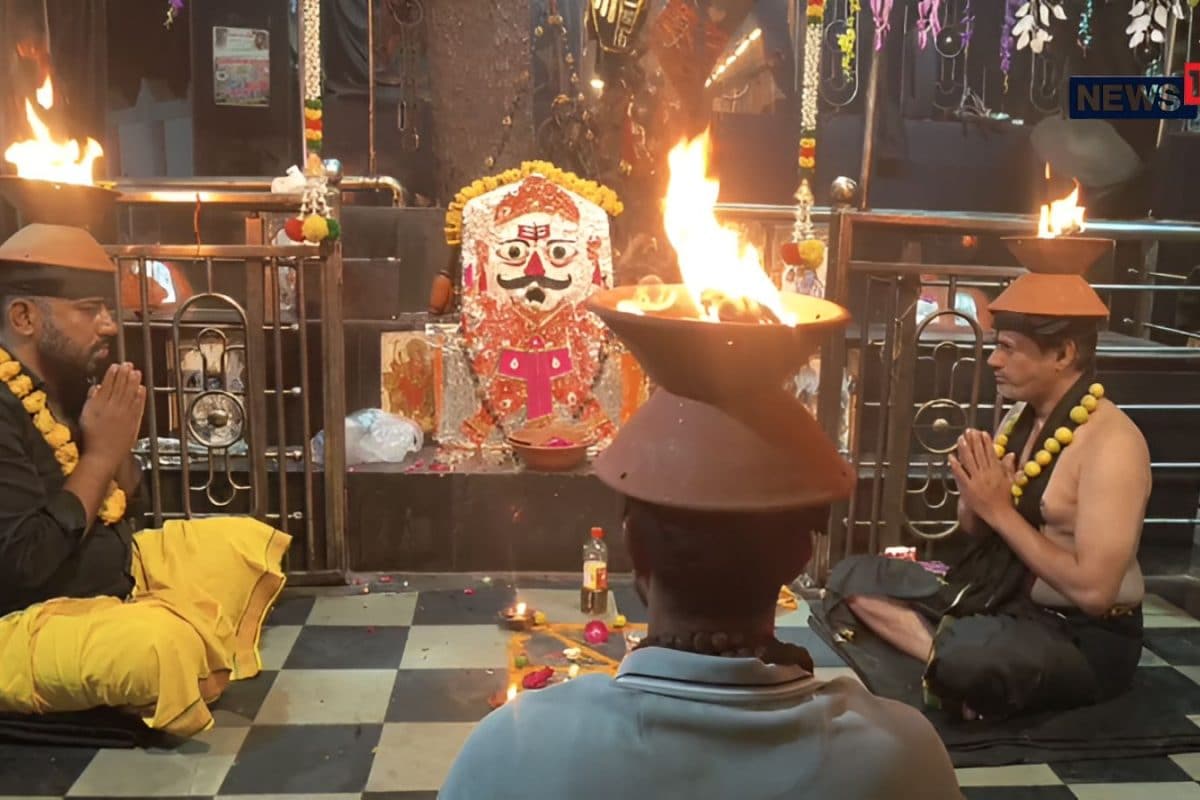
In the quiet and solemn surroundings of the Panchmukhi Moksha Dham located in Bhilwara, a distinctive and centuries-old mystical tradition once again came to life on the auspicious occasion of Deepawali. While millions across the country celebrated the festival of lights with lamps and fireworks within residential areas, a dedicated circle of spiritual practitioners gathered at the sacred Masania Bhairavnath Temple situated inside the cremation grounds to perform secretive and rigorous rituals.
The focal point of this nocturnal observance centers around the complex and rare practices of skull worship, historically known as Kapal Puja, paired alongside the intense Khappar Sadhana. Over the years, these rituals have transformed from obscure esoteric exercises into a deeply ingrained localized tradition, capturing the profound spiritual devotion and unique philosophical outlook held by the practitioners who participate in them without seeking public acclaim.
According to chronological records and formal statements provided by temple priest Ravi Khatik, this particular streak of uninterrupted observance has successfully marked a significant milestone of twenty years of continuous execution at this exact cremation site. The longevity of this practice underscores a dedicated adherence to traditional discipline, passed down through lineages of practitioners who maintain the continuity of these specialized ceremonial arts year after year.
Delving deeper into the physical rigor required during the observance, the ground reality of the ritual involves extraordinary levels of endurance and mental fortitude. Priest Ravi Khatik detailed that participating seekers balance burning ritual vessels, specifically known as Khappar, directly upon sensitive areas of their bodies including the head, back, and chest, sustaining these extreme postures deep into the late hours of the night.
Rather than seeking personal boons or material gains, the stated philosophical intent driving these severe physical mortifications is entirely altruistic in nature. The primary spiritual objective invoked throughout the duration of the midnight proceedings is directed toward securing universal peace, ecological harmony, and comprehensive welfare for all living beings across society.
Over the span of these two decades, the annual gathering has steadily evolved into a point of deep curiosity, deep-seated reverence, and spiritual contemplation for those familiar with the esoteric traditions practiced in the region. Observers and local residents view the continuity of these rites as a testament to the diverse spiritual tapestry woven into the cultural identity of Bhilwara and its surrounding districts.
As the midnight rituals concluded under the solemn atmosphere of the cremation ground, participants and organizers reflected upon the successful execution of the anniversary milestone. Looking toward the future, the temple administration and devoted practitioners under the guidance of Ravi Khatik intend to preserve these specialized customs precisely as mandated by tradition, ensuring that the legacy of the Khappar Sadhana remains intact for generations to come.
