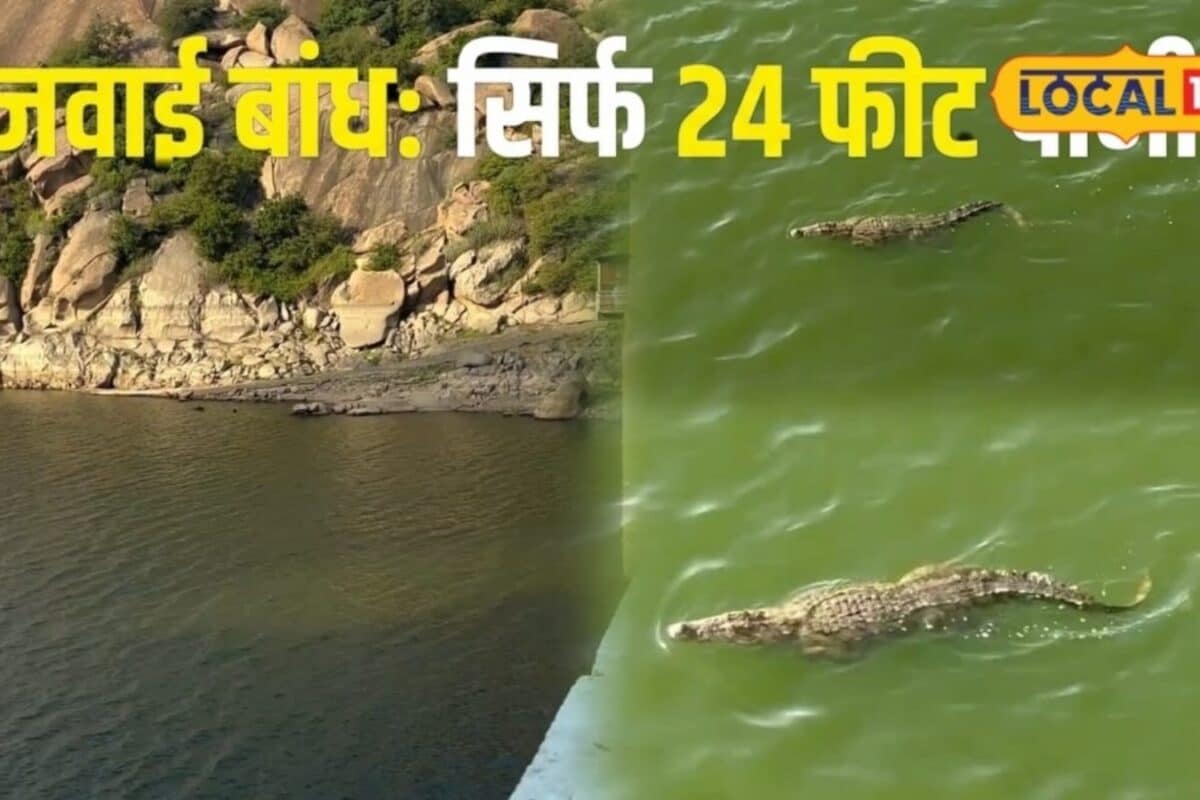
The worsening water scarcity at the prominent Jawai Dam located in Pali has escalated into a critical crisis, posing severe threats not only to human settlements but also to the rich indigenous wildlife and delicate natural ecosystem of the region. Recent ground assessments reveal that the water level has plummeted to below 24 feet, a stark contrast to the reservoir maximum total capacity of 61.25 feet. This dramatic depletion has triggered widespread alarm among environmental conservationists, wildlife enthusiasts, and local administrative bodies who monitor the ecological health of this vital water body.
Historically recognized as a vital hydrological asset for the surrounding region, Jawai Dam has long served as a lifeline for both agricultural irrigation and domestic consumption. Beyond its utility for human populations, the reservoir has evolved into a globally celebrated sanctuary, famous internationally for its thriving leopard population and unique coexistence with human communities. The intricate natural habitat nurtured by the dam supports a diverse spectrum of flora and fauna, making the current hydrological deficit a matter of profound regional and international ecological concern.
The most immediate casualty of this plunging water level is the aquatic and semi-aquatic fauna residing within the reservoir boundaries. Field reports indicate that more than 500 crocodiles, which call the Jawai Dam their home, are now confronting severe habitat contraction and acute food scarcity as the wet perimeter shrinks drastically day by day. Furthermore, millions of fish inhabiting the reservoir are facing immense stress due to the rising temperature of the shallowing water bodies, which severely depletes dissolved oxygen levels and threatens their survival on a massive scale.
Local stakeholders, including wildlife experts, environmentalists, and tourism operators, have expressed deep anguish over the deteriorating situation. According to expert projections, if the current rate of depletion continues unabated, the remaining water reserves in the dam are expected to hit dead storage levels within approximately the next three months. Such an adverse progression threatens to completely dry up crucial feeding grounds, forcing apex predators into closer and potentially hazardous proximity to human settlements in search of sustenance and water.
The ramifications of this environmental crisis extend far beyond immediate wildlife distress, directly impacting the local socio-economic fabric, particularly regional tourism. Jawai is renowned globally for its unique wildlife safaris, drawing thousands of international and domestic tourists annually to witness leopards, crocodiles, and migratory birds in their natural habitat. Any major ecological disaster or mass mortality event among the resident fauna would deliver a devastating blow to the regional tourism economy and the livelihood of local guides, hoteliers, and small business owners.
In response to these escalating threats, local administrative authorities and wildlife departments are under immense pressure to formulate and execute emergency mitigation strategies. While continuous monitoring of the water reservoirs and wildlife movement is underway, long-term technical interventions are urgently required to address the systemic water scarcity. Conservationists are continuously advocating for immediate contingency measures to secure artificial water supply channels and safeguard the vulnerable fauna from catastrophic losses during the peak summer months.
Looking ahead, the upcoming three months will serve as a crucial test for the resilience of Jawai fragile ecosystem and the effectiveness of administrative interventions. The prospect of the dam reaching dead storage demands strict coordination between water resource management boards and wildlife conservation agencies to prevent irreversible ecological damage. Safeguarding the 500-plus crocodiles and the vast aquatic life remains an absolute priority, requiring unwavering public vigilance, proactive governance, and sustainable water conservation frameworks.