
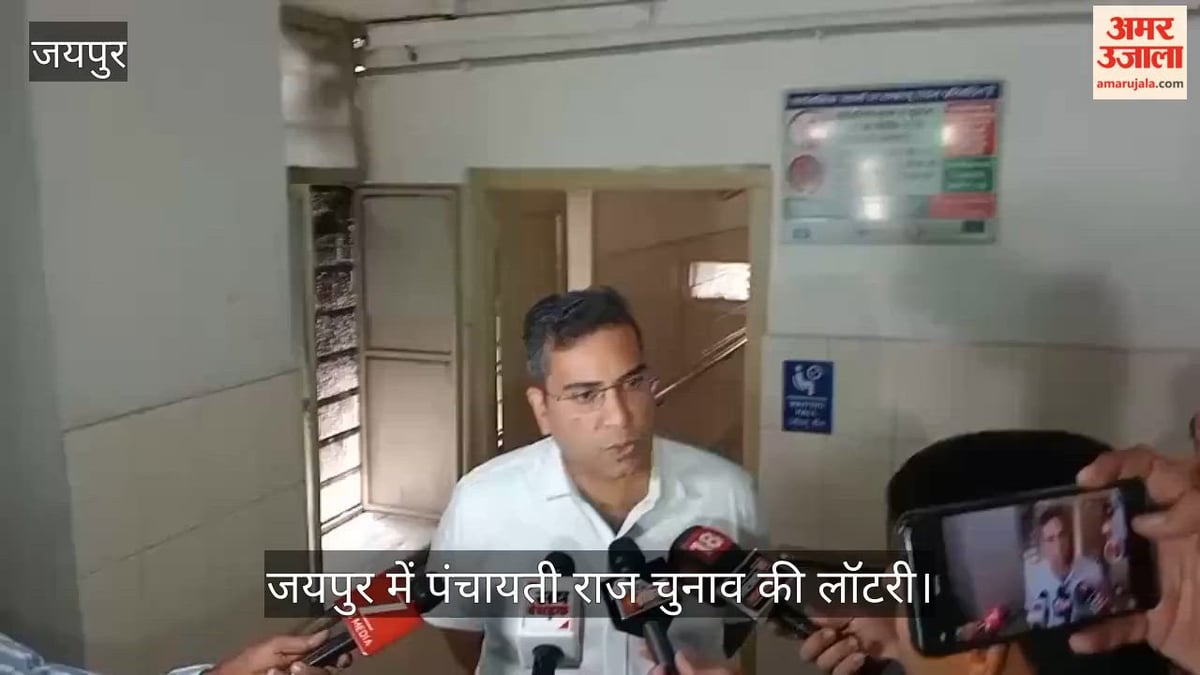
In a significant administrative development shaping the political landscape of rural governance, the reservation lottery for upcoming Panchayati Raj elections was officially conducted in Jaipur on Wednesday. This crucial bureaucratic exercise establishes the foundational framework for democratic representation across rural local bodies, determining specific categories for aspiring public representatives.
The scheduling of this reservation lottery stems from statutory requirements mandated by the state election commission to ensure equitable representation for various social categories, including scheduled castes, scheduled tribes, backward classes, and women, in grassroots governance structures.
Following the meticulous execution of the draw of lots in Jaipur, the administrative machinery has successfully locked in the reservation parameters for a total of 57 district council members, 22 panchayat committee pradhans, and 386 panchayat committee seats, providing absolute clarity to political parties and independent contenders alike.
Local political analysts, community leaders, and prospective candidates closely monitored the proceedings in Jaipur on Wednesday, as the outcome directly dictates candidate eligibility, coalition strategies, and the overall electoral calculus across the targeted rural jurisdictions.
The finalization of these seats in Jaipur holds profound implications for regional development, local resource allocation, and grassroots democracy, directly impacting governance efficiency and community development initiatives within the designated rural administrative zones.
District and state election authorities maintained stringent oversight throughout the Wednesday lottery proceedings, ensuring absolute transparency, adherence to constitutional guidelines, and fairness in the categorization and reservation of every designated office.
With the reservation matrix officially resolved in Jaipur, the focus now shifts toward the official announcement of the election schedule, candidate nominations, and intensive campaigning as political entities prepare for the imminent democratic contest across all 57 district council and 386 committee positions.