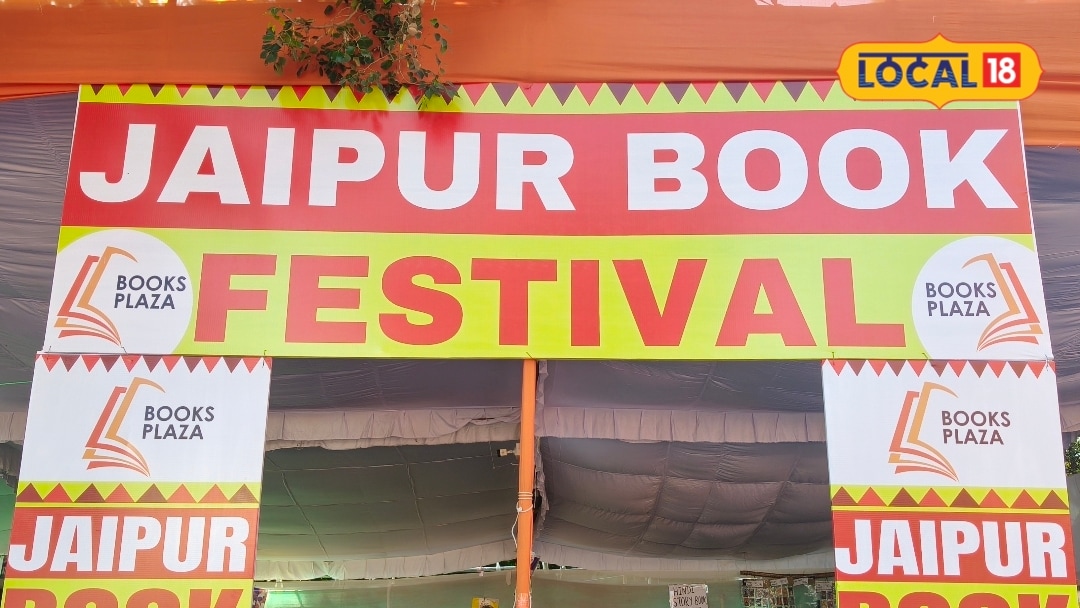
The cultural capital of Rajasthan has once again transformed into a vibrant literary hub as the Jaipur Book Fair 2026 officially opened its doors at the prominent Jawahar Kala Kendra in Jaipur. This grand celebration of literature brings together publishers, authors, and avid readers from across the region to participate in one of the most anticipated cultural gatherings of the year. The festival has drawn immense enthusiasm right from its opening day, establishing a festive atmosphere dedicated entirely to the written word and intellectual engagement.
Literary fairs hold a cherished tradition in the historical landscape of Jaipur, serving as bridges between classical heritage and contemporary publishing trends. Over the years, these exhibitions have evolved from modest book displays into massive cultural movements that actively encourage reading habits among younger generations. The Jawahar Kala Kendra, known for hosting monumental artistic endeavors, provides a fitting architectural and cultural backdrop for a gathering of this magnitude, reinforcing the city's identity as a cradle of arts and literature.
Delving into the ground reality and logistical scale of the fair, visitors are greeted by an extraordinary inventory comprising more than five lakh books meticulously arranged across various stalls. To make literature accessible to every segment of society, the organizers have introduced massive financial concessions, offering discounts ranging strictly between fifty and seventy-five percent on a vast majority of titles. Furthermore, the fair introduces an innovative and economical purchasing method where select categories of books can be bought directly by weight, catering distinctively to budget-conscious bibliophiles.
Stakeholders, including participating publishers, local book distributors, and event organizers, have expressed profound optimism regarding the overwhelming public response. Patrons roaming the sprawling exhibition grounds have praised the inclusive pricing structure, noting that such steep reductions make extensive book ownership a realistic possibility for students and middle-income families. Authors and literary critics present at the venue have similarly lauded the initiative for creating a democratic physical space where diverse genres—ranging from specialized academic texts to mainstream commercial fiction—share equal prominence.
Beyond the immediate municipal boundaries of Jaipur, the impact of this literary exposition extends significantly toward surrounding administrative areas, including the Kotputli-Behror district. Educational institutions, schools, and colleges from nearby districts are organizing study excursions for students to experience the vast expanse of literature firsthand. This regional connectivity not only stimulates broader cultural enrichment but also bolsters the regional logistics and passenger transit networks connecting outlying towns to the state capital during the festive period.
Administrative oversight and venue management have been maintained rigorously to ensure a seamless experience for the thousands of daily visitors thronging the Jawahar Kala Kendra. Local municipal bodies and event coordinators have deployed adequate security, sanitation, and information desks to manage the dense footfall efficiently. With entry completely free of charge, the administration has successfully eliminated any financial barriers to participation, ensuring that enthusiastic readers from all economic backgrounds can freely partake in the ongoing literary celebrations.
As the Jaipur Book Fair 2026 progresses steadily toward its scheduled conclusion at the end of October, public expectations and visitor turnout continue to surpass initial projections. Organizers anticipate an even greater influx of school children, researchers, and families during the remaining weekends. This sustained momentum guarantees that the current edition will leave a lasting imprint on the local literary ecosystem, successfully instilling a renewed passion for reading and lifelong learning throughout the region.