
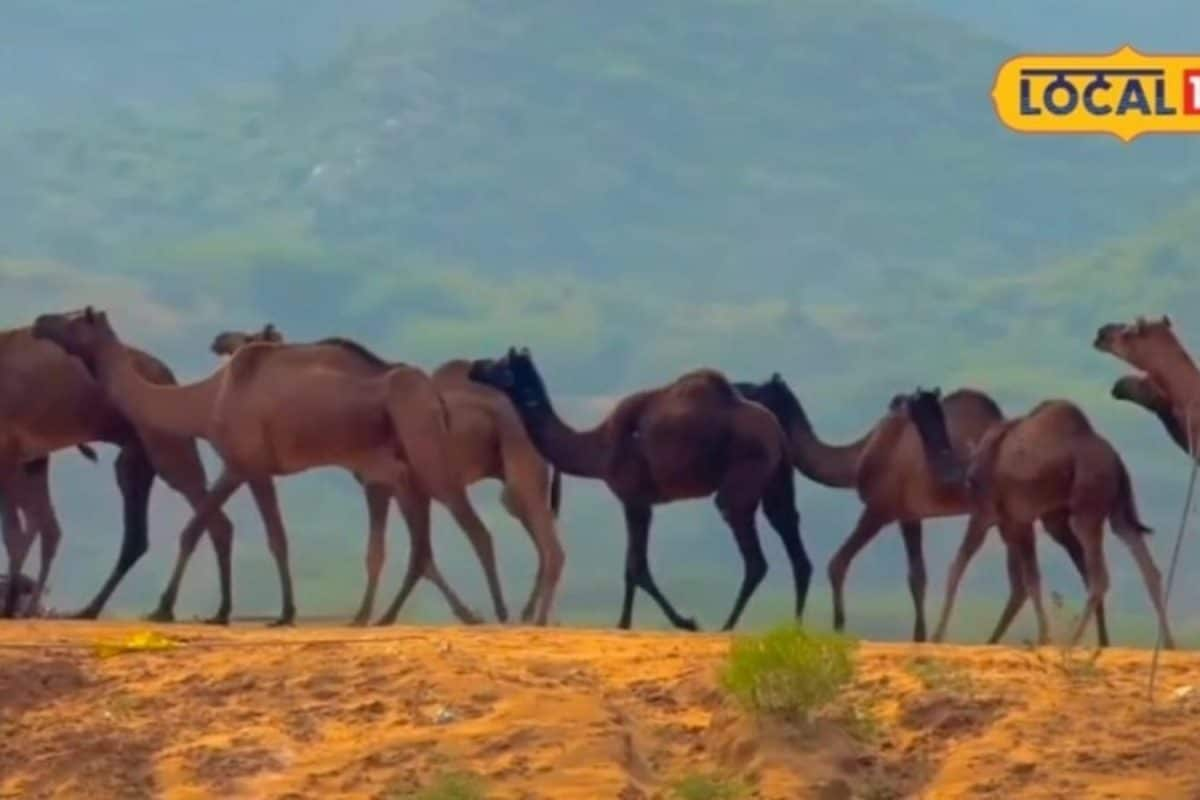
The administration and local organizers in Rajasthan are preparing for the grand inauguration of the international Pushkar Fair, which officially commences on November 10 in the historic town of Pushkar within Ajmer district. This globally recognized annual event serves as a focal point for traditional gatherings, drawing thousands of domestic and international visitors to witness the unique spectacles of rural Rajasthani culture.
Historically rooted in ancient traditions of religious pilgrimage and cattle trading, the Pushkar Fair has evolved over centuries into a vibrant cultural exposition. Originating as a modest religious congregation on the banks of the sacred Pushkar Lake during the Kartik Purnima period, the fair has consistently celebrated the deep-seated symbiotic relationship between rural communities, pastoralists, and their livestock.
The current edition of the fair features a meticulously structured eight-day itinerary packed with diverse activities, commencing specifically with dedicated programs scheduled from November 17 through November 24. Attendees can witness remarkable exhibitions, including the distinctive gaits of camels, magnificent equestrian performances by horses, and an extensive variety of attractive indigenous animal breeds that reflect the agricultural wealth of the region.
Beyond the livestock exhibitions, stakeholders, including local artisans, folk artists, and traders, express high optimism regarding the economic and cultural dividends of the festival. Merchants from various districts converge on the fairgrounds, utilizing the platform to display traditional handicrafts, textiles, and artifacts, thereby sustaining ancestral artisan livelihoods through robust commercial engagement.
The resonance of the Pushkar Fair extends far beyond the immediate boundaries of Ajmer, profoundly impacting neighboring regions, including the Kotputli-Behror district and the broader expanse of Rajasthan. Cultural enthusiasts and business owners from these surrounding areas actively participate, fostering a unified regional economy and reinforcing communal ties through shared heritage and tourism-driven commerce.
In response to the massive influx of attendees, local government authorities and law enforcement agencies have instituted comprehensive administrative oversight measures. These protocols encompass crowd management, sanitation facilities, veterinary healthcare camps for participating livestock, and structured logistical planning to ensure the absolute safety and convenience of every visitor throughout the duration of the event.
Looking ahead, the eight-day schedule starting from November 17 sets a progressive template for the remainder of the celebrations, culminating in various cultural and competitive events. Public expectations remain exceedingly high as the town prepares to host one of the most prominent traditional gatherings, promising an enriching experience that honors Rajasthan's timeless heritage.
