
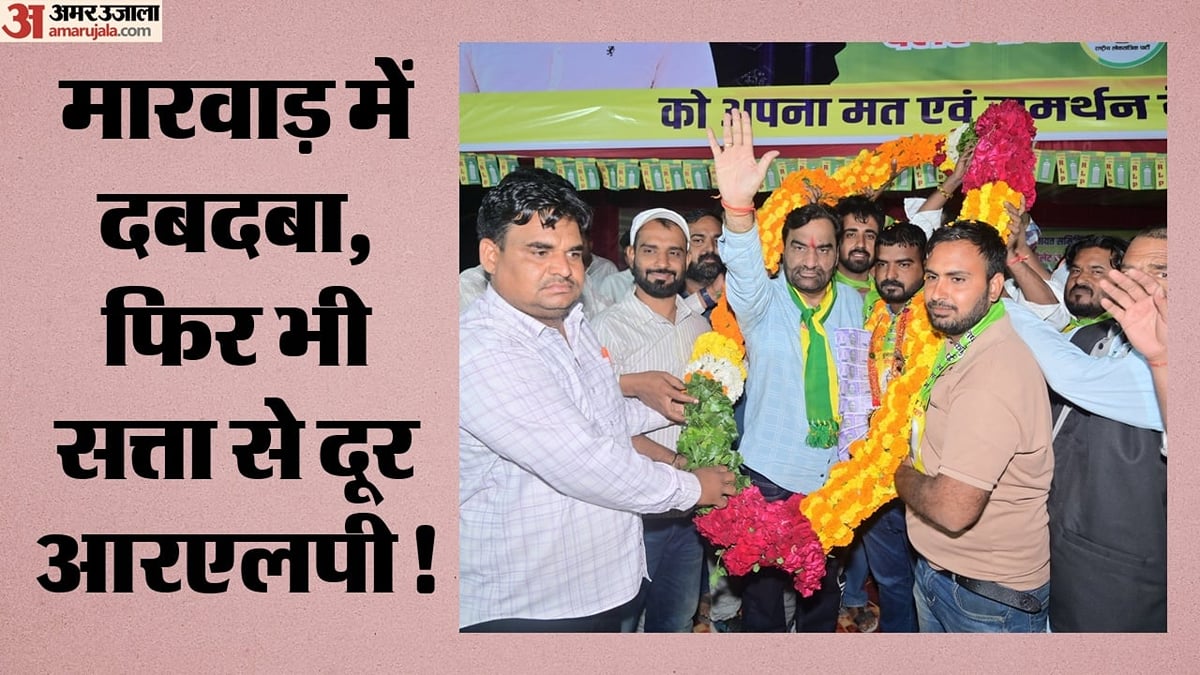
The political landscape of Rajasthan is witnessing a profound paradox regarding the aspirations of Hanuman Beniwal and his Rashtriya Loktantrik Party to establish a formidable third political force in the state. While the party commands considerable grassroots enthusiasm, structural hurdles and internal bottlenecks within its own ranks continue to obstruct its path to comprehensive electoral dominance.
Historically, the emergence of the party was anchored in Marwar, promising a robust regional alternative to the traditional bipolar dominance of the Congress and the Bharatiya Janata Party. However, transforming vocal public backing into organized institutional power has consistently tested the leadership's strategic acumen during successive legislative and local body elections.
A striking illustration of this disconnect is reflected in recent panchayat election results, where the party demonstrated immense electoral muscle by winning more panchayat samiti seats than the Bharatiya Janata Party across six key districts of Marwar. This performance underscored the deep penetration of the party's grassroots network and the resonant appeal of Hanuman Beniwal among rural constituents.
Despite these impressive regional victories at the lower tiers of governance, the party stumbled significantly in securing apex administrative control. Out of thirty-seven districts evaluated, the party could ultimately convert its widespread influence into just a single zila pramukh position, highlighting severe organizational vulnerabilities at the district leadership level.
Political analysts and regional observers note that during recent assembly elections as well, Hanuman Beniwal struggled persistently with the intricate challenge of translating an extensive popular base into decisive legislative wins. The inability of local functionaries to coordinate effectively and counter rival political strategies often dilutes the ultimate electoral outcome.
Administrative observers and party insiders emphasize that bridging the gap between mass mobilization and institutional conversion requires rigorous structural reforms. Without disciplined internal cohesion and targeted administrative strategy, expanding the party's footprint beyond its traditional strongholds remains a formidable uphill battle.
As Rajasthan approaches future political milestones, the leadership faces the urgent task of resolving these internal contradictions. Strengthening organizational discipline and aligning regional grassroots achievements with overarching administrative victories will decisively shape the future trajectory of the third-force movement led by Hanuman Beniwal.
