
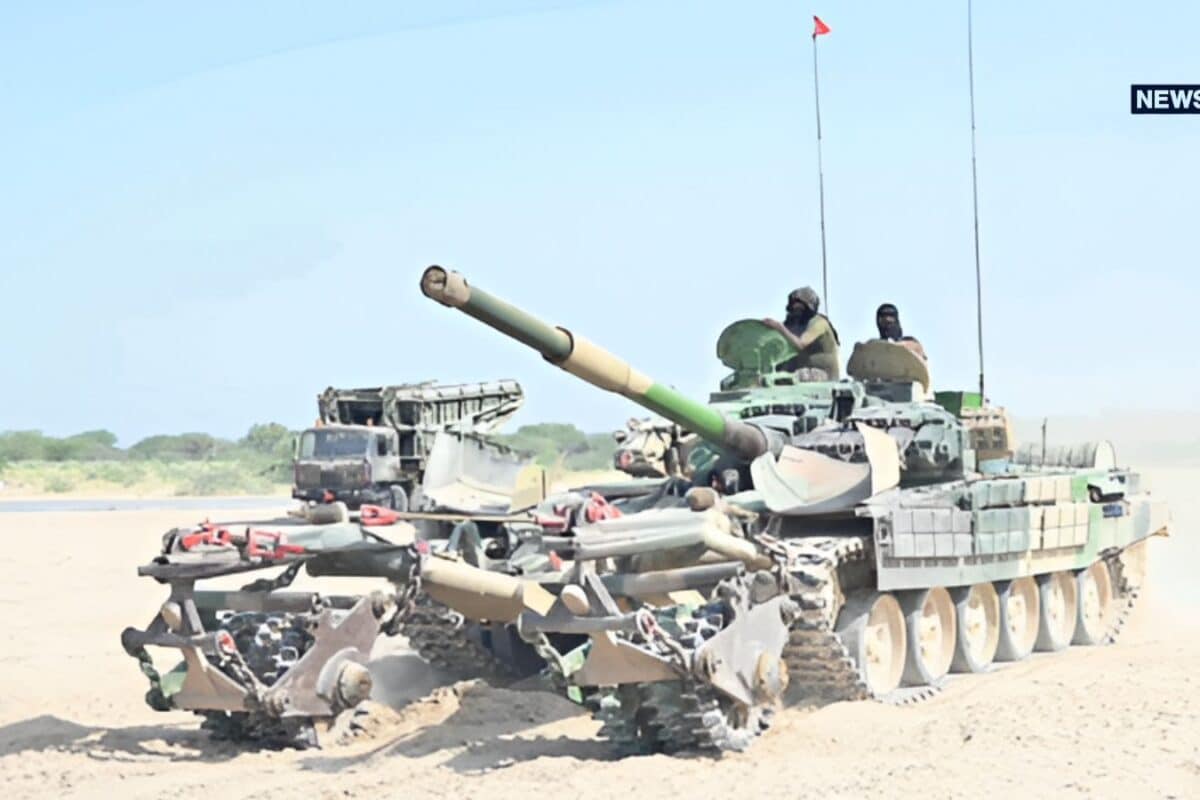
In a significant demonstration of operational preparedness and tactical expertise, the Indian Army's Sudarshan Chakra Corps successfully concluded its comprehensive week-long field training exercise on October 19. This extensive military drill was meticulously designed to test and elevate the combat readiness of participating brigades under exceedingly challenging simulated battlefield conditions. Through rigorous day and night maneuvers, the participating troops demonstrated exceptional tactical discipline and technical proficiency across multiple specialized warfare disciplines.
The historical and strategic significance of combat engineering within the broader framework of modern military operations cannot be overstated. Over the years, the Indian Army has continuously evolved its tactical doctrines to address complex, multi-domain security challenges. The Sudarshan Chakra Corps, known for its strategic deployment and high-readiness posture, routinely conducts such specialized training iterations to ensure that its formations remain at the absolute vanguard of operational capability and tactical responsiveness.
A core focal point of the week-long exercise centered around intricate combat engineering tasks, specifically the rapid deployment and clearing of complex minefields under hostile observation. Modern warfare demands unhindered mobility for friendly forces while simultaneously denying the same to adversaries. During the drills, engineering units executed the laying of tactical minefields with precision, followed by systematic breaching operations to clear safe corridors for advancing columns. Additionally, specialized bridging elements successfully constructed temporary spans across simulated water obstacles, ensuring uninterrupted logistical supply lines.
Equally critical to the success of the exercise was the flawless tactical coordination achieved between combat engineers, infantry elements, and heavy armored formations including main battle tanks. Modern mechanized warfare requires synchronized synergy between different arms of the military to achieve decisive victory on the modern battlefield. The participating brigades executed complex maneuvers that tested the integration of armored vehicles with engineering support assets, showcasing remarkable command and control cohesion at the tactical level.
The successful culmination of this rigorous training holds profound implications for regional security preparedness and overall defense logistics. While the exercises were conducted within designated military training areas, the overarching enhancement of combat capabilities directly reinforces the nation's defensive shield. Such exercises ensure that military formations stationed across strategic sectors maintain optimal readiness to respond swiftly to any conventional or asymmetric contingencies that may arise in the future.
Throughout the duration of the field exercise, senior military commanders maintained strict oversight of all operational phases, conducting thorough evaluations of tactical execution and logistical support mechanisms. Administrative and technical debriefings were held to analyze lessons learned, integrate technological advancements, and refine future training modules. The military leadership expressed immense satisfaction with the flawless execution of complex engineering tasks and the high morale demonstrated by all ranks.
In their concluding remarks to the troops, senior reviewing officers delivered an inspiring motivational message encapsulated in the guiding principle: "Train hard, aim true, stay battle ready." This ethos underscores the Indian Army's relentless pursuit of operational excellence and uncompromising preparedness. As the participating brigades return to their regular stations, the valuable lessons and heightened synergy gained from this exercise will undoubtedly serve as a robust benchmark for future military preparedness.
