
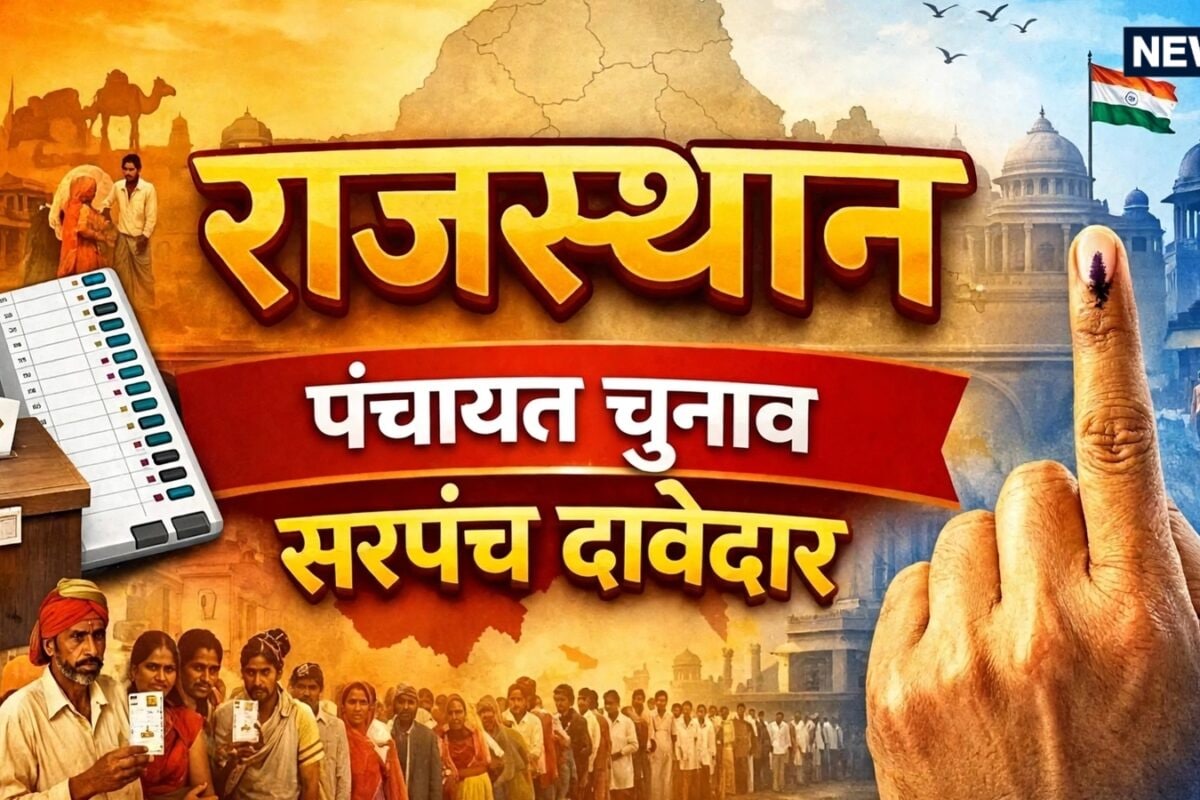
The political landscape across rural Rajasthan is witnessing unprecedented fervor as preparations for the 2026 Panchayat Elections gain rapid momentum. Across the state, an intense race has erupted among villagers aspiring to secure the influential position of Sarpanch in their respective local bodies. This grassroots political mobilization reflects the deep-rooted desire for community leadership, prestige, and administrative authority within the rural heartland, setting the stage for highly competitive electoral battles.
Historically, the office of the Sarpanch has served as the foundational pillar of India democratic decentralization, offering elected representatives direct involvement in local governance and rural development. Over successive electoral cycles, the stature of village leadership has evolved from mere administrative oversight into a powerful symbol of social prestige and political ambition. This deep historical context explains why rural communities view the upcoming 2026 polls not merely as local administrative elections, but as defining contests for community influence.
A closer examination of the statistical realities reveals a remarkably crowded electoral field across the state. Official projections indicate that for the 14,403 gram panchayats scheduled for elections, approximately 72,000 hopeful contenders are expected to file their nominations. This translates to an average of roughly five candidates fiercely contesting for the leadership position in every single village panchayat, guaranteeing closely fought and unpredictable electoral outcomes.
The financial dynamics surrounding these local elections present a fascinating paradox that has baffled political analysts and economists alike. Officially, a serving Sarpanch receives a modest monthly honorarium of 7,346 rupees for their administrative duties. Paradoxically, an ordinary Mahatma Gandhi National Rural Employment Guarantee Act worker, by completing thirty days of manual labor, can earn up to 8,280 rupees, legally surpassing the fixed state-paid compensation of the village head.
Despite this stark financial imbalance where statutory pay trails behind daily wage labor, prospective candidates display an extraordinary willingness to commit substantial personal wealth. Reports from various districts indicate that individuals running for the Sarpanch position are readily preparing to spend anywhere between 5 lakh and 20 lakh rupees on their electoral campaigns. This massive capital outflow for a low-salaried local post underscores the non-monetary returns, including social standing, local clout, and developmental authority, associated with the office.
In response to the growing financial disparity and the heavy operational demands placed upon village heads, the Rajasthan Sarpanch Sangh has formally intervened. The association has raised strong demands with state authorities to significantly revise the monthly remuneration, urging an increase to a bracket of 30,000 to 35,000 rupees per month. Furthermore, the organization has pressed for the inclusion of a formal pension provision for retired Sarpanches to ensure financial security after their tenure.
As the administrative machinery finalizes its preparations and guidelines for the upcoming 2026 polls, the convergence of low official honorariums and exorbitant campaign expenditures remains a dominant topic of public discourse. The ultimate outcome of these elections will not only determine local leadership for thousands of villages but will also test the resilience of grassroots democracy against the backdrop of shifting economic realities in rural regions.
