
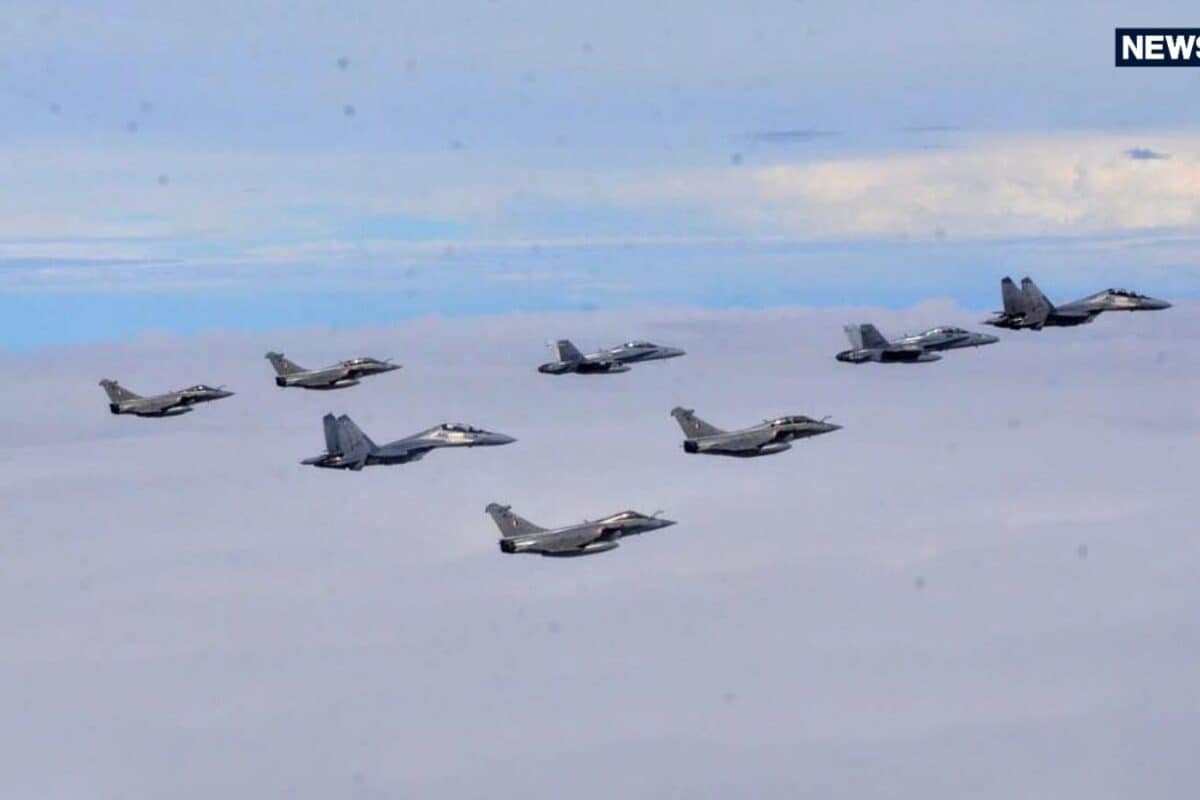
The skies above Jodhpur have turned into a significant strategic theater as the Indian Air Force and the Japan Air Self-Defense Force engage in a powerful display of aerial capability. The second phase of the prestigious joint military exercise titled Veer Guardian is currently underway at the heavily fortified Jodhpur Airbase. This high-profile bilateral engagement has brought together elite aviators and advanced machinery from both partner nations to test operational readiness in simulated combat environments.
Commencing on September 9, this comprehensive joint air combat training protocol is scheduled to run continuously until September 22. The historical backdrop of this exercise is rooted in the deepening defense cooperation and strategic partnership between New Delhi and Tokyo, particularly aimed at securing regional stability and fostering maritime security frameworks across the vital Indo-Pacific region.
At the center of this aerial convergence are specific high-performance military assets deployed by both participating nations. The Japanese contingent has brought three advanced F-2A fighter jets, which are structurally developed based on the legendary F-16 design but extensively customized to meet the specific national defense requirements of Japan. These sophisticated jets are operating directly alongside the formidable Indian Sukhoi-30MKI multirole fighters.
Defense analysts and military observers note that the joint training curriculum is intensely focused on complex aerial maneuvers, including air-to-air combat, high-speed dog fights, rigorous night operations, and critical mid-air refueling procedures. These tactical drills are meticulously designed to test the limits of both the pilots and the machinery, ensuring seamless interoperability between the two allied air forces during joint missions.
While the primary theater of operation remains confined within the secure perimeters of the Jodhpur Airbase, the ripple effects of such high-level international defense engagements extend positively toward the broader regional economy and community awareness. Local businesses, service providers, and logistical suppliers in the surrounding districts experience heightened economic activity and engagement due to the influx of international defense personnel and administrative entourages.
Senior military commanders and administrative authorities from both nations are closely monitoring every phase of the exercise to guarantee absolute safety, logistical efficiency, and adherence to international aviation protocols. Stringent security measures and specialized technical oversight are maintained round the clock by the Indian Air Force and local law enforcement agencies to ensure the smooth execution of all scheduled flights.
As the Veer Guardian exercise progresses toward its scheduled conclusion on September 22, defense experts anticipate long-term strategic benefits, including enhanced mutual trust, shared tactical insights, and strengthened bilateral ties. Both air forces plan to utilize the valuable data and experiential learnings gained from these simulated engagements to refine future defense doctrines and operational strategies in the Indo-Pacific sector.