
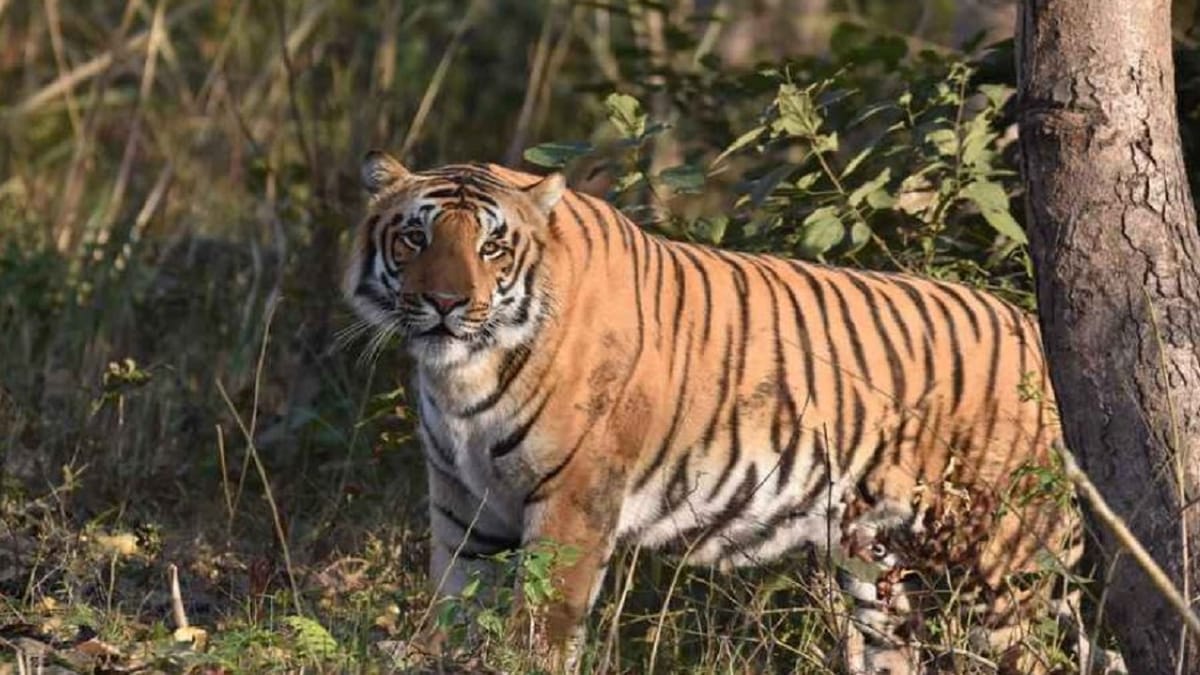
Rajasthan is witnessing a significant and encouraging development in wildlife conservation as the Mukundara Tiger Reserve reports strong indicators of a growing tiger population. According to reports from the forest authorities, recent observations have highlighted increasing proximity between three young tigresses and male tigers residing within the protected sanctuary. This dynamic has substantially elevated expectations for successful breeding cycles, bringing renewed enthusiasm to wildlife enthusiasts and conservationists alike across the region.
The historical context of wildlife management in this particular sanctuary underscores the immense importance of these recent developments. Over the years, concerted efforts have been deployed by conservation authorities to establish a stable and thriving tiger habitat in this part of Rajasthan. The delicate balance required to nurture a growing predator population involves meticulous planning, scientific monitoring, and the creation of undisturbed natural corridors that allow these magnificent animals to exhibit natural territorial and mating behaviors without external disruptions.
Focusing on the operational realities on the ground, the forest department has mobilized extensive logistical resources to secure the habitat and track wildlife movements closely. A vast expanse encompassing an 82 square kilometer enclosure, alongside adjacent open forest areas, has been brought under heightened surveillance protocols. Field personnel, equipped with advanced monitoring tools, are maintaining constant vigil to record behavioral changes, spatial movements, and potential territorial overlaps among the resident big cats to ensure their safety and seamless reproduction prospects.
Stakeholder perspectives within the wildlife administration emphasize the critical nature of this monitoring phase. Wildlife officials note that the observed interactions between the three young tigresses and the resident male tigers are a direct result of undisturbed habitat management and targeted conservation strategies. While direct quotes from field biologists highlight the sensitivity of the mating period, the administrative focus remains steadfast on minimizing human interference and maintaining the ecological integrity of the protected zone.
The broader regional impact of a thriving tiger population extends far beyond ecological parameters, influencing the socioeconomic fabric of neighboring areas including the Kotputli-Behror district. Successful conservation milestones invariably boost regional eco-tourism prospects, generating sustainable livelihood opportunities for local communities through hospitality, guided services, and allied commercial activities. Furthermore, the enhanced profile of the sanctuary elevates regional pride and reinforces the importance of ecological preservation among local residents and visitors alike.
Administrative responses to these promising signs have been both swift and comprehensive. The forest department has implemented stringent protective measures, restricting unauthorized entries and reinforcing anti-poaching protocols across the entire 82 square kilometer enclosure and surrounding forest ranges. Senior forestry officials are conducting routine reviews of field reports to ensure that adequate resources, medical support units, and rapid response teams are readily available to address any contingencies that may arise during this crucial biological period.
Looking ahead, the forward outlook for the Mukundara Tiger Reserve remains exceptionally optimistic, anchored by a clearly defined timeline of continued monitoring and ecological assessment. Public expectations are high as conservationists anticipate official confirmation of new litters in the coming months. As the forest department maintains its strict vigilance, the collective hope is that these positive signs will culminate in the successful expansion of the tiger lineage, cementing the reserve's status as a vital sanctuary for India's national animal.
