
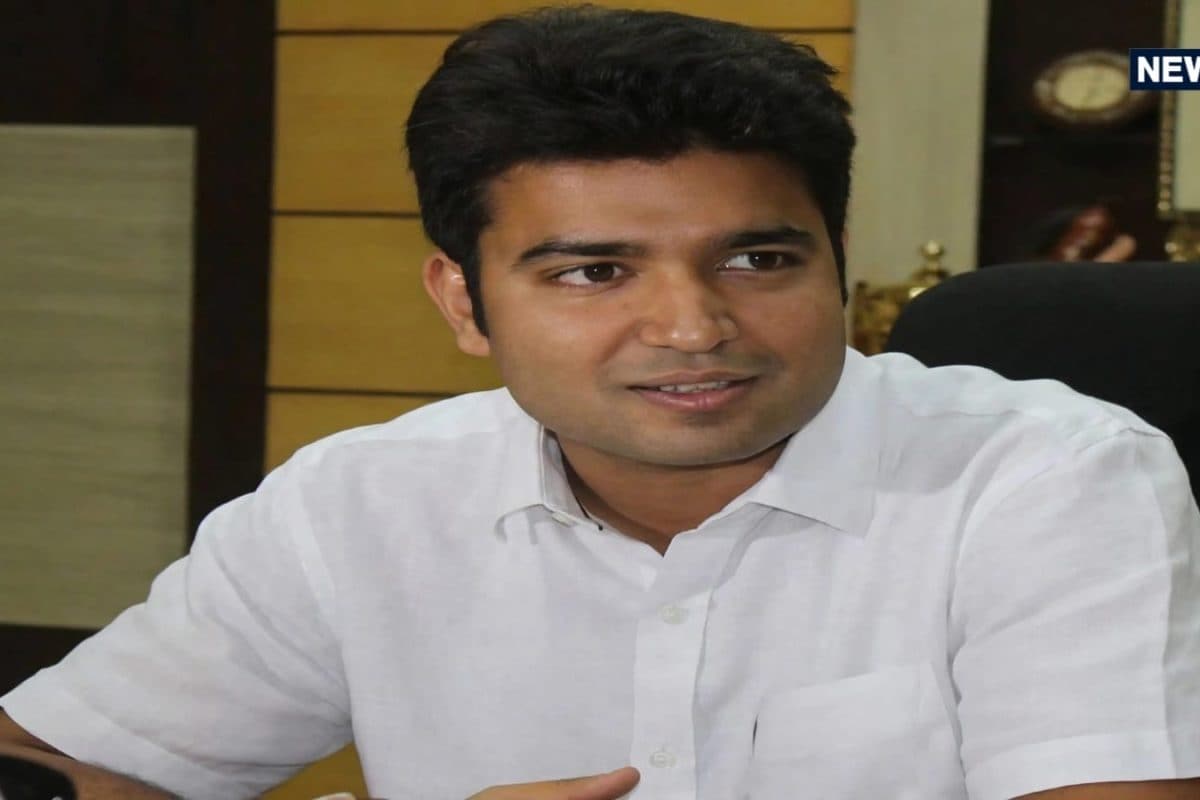
In a significant bureaucratic development within the administrative corridors of the state, senior 2006 batch Indian Administrative Service officer Gaurav Goyal has been officially relieved from his responsibilities at the Lok Sabha Secretariat. Operating previously on a high-profile deputation as Joint Secretary in New Delhi, his repatriation marks a notable shift in the higher echelons of the state bureaucracy. The formal orders regarding his release were issued by the Lok Sabha Secretariat, setting the stage for his immediate return to his parent state cadre.
The transition materialized following a formal request initiated by the Rajasthan Government, seeking the services of the experienced bureaucrat back within the state framework. Upon receiving the requisition, the competent authority approved his return to the parent cadre. Consequently, he was formally relieved from his duties at the Lok Sabha Secretariat on the afternoon of October 31, formally concluding his tenure at the federal legislative body and paving the way for his journey back to Jaipur.
As part of the procedural protocols mandated for all returning senior bureaucrats, Gaurav Goyal is scheduled to reach Jaipur and directly report to the Department of Personnel to submit his formal joining report. The Department of Personnel serves as the central nodal agency for administrative placements within the state government, where his service dossier will be processed to facilitate his next official posting. Observers within the civil services note that such high-level movements often precede major administrative reshuffles across various departments.
The administrative stature of Gaurav Goyal is underscored by his extensive and diverse professional trajectory spanning nearly two decades. Throughout his distinguished career within the civil services, he has successfully helmed numerous critical positions, ranging from district collector and divisional commissioner to secretary to the chief minister, departmental secretary, and commissioner as well as managing director of key public sector undertakings. His multifaceted experience in managing both field administration and policy formulation makes him a prominent figure in state governance.
The repatriation of such a seasoned administrative expert carries profound implications for the governance framework, including regional developmental administration reaching down to districts such as Kotputli-Behror. Effective bureaucratic leadership at the state level directly impacts policy implementation, infrastructure expansion, and public welfare delivery across all administrative sub-divisions. Local communities and officials closely monitor these high-level cadre adjustments, anticipating improved administrative efficiency and streamlined execution of developmental initiatives.
Following his reporting to the Department of Personnel, the state government holds the authority to assign him a strategic and influential role commensurate with his senior standing. The administrative machinery and policy analysts are keenly observing the developments to ascertain which crucial portfolio will be entrusted to his charge. Such strategic deployments are designed to optimize administrative governance and address pressing developmental priorities across the state.
With all formalities surrounding his repatriation now successfully concluded, public expectations remain high regarding his upcoming administrative responsibilities. As the administration prepares to issue formal posting orders, the return of the 2006 batch officer introduces a renewed dynamic to the state's bureaucratic leadership. The upcoming weeks will reveal the definitive contours of his new assignment and the policy directions he will oversee.
