
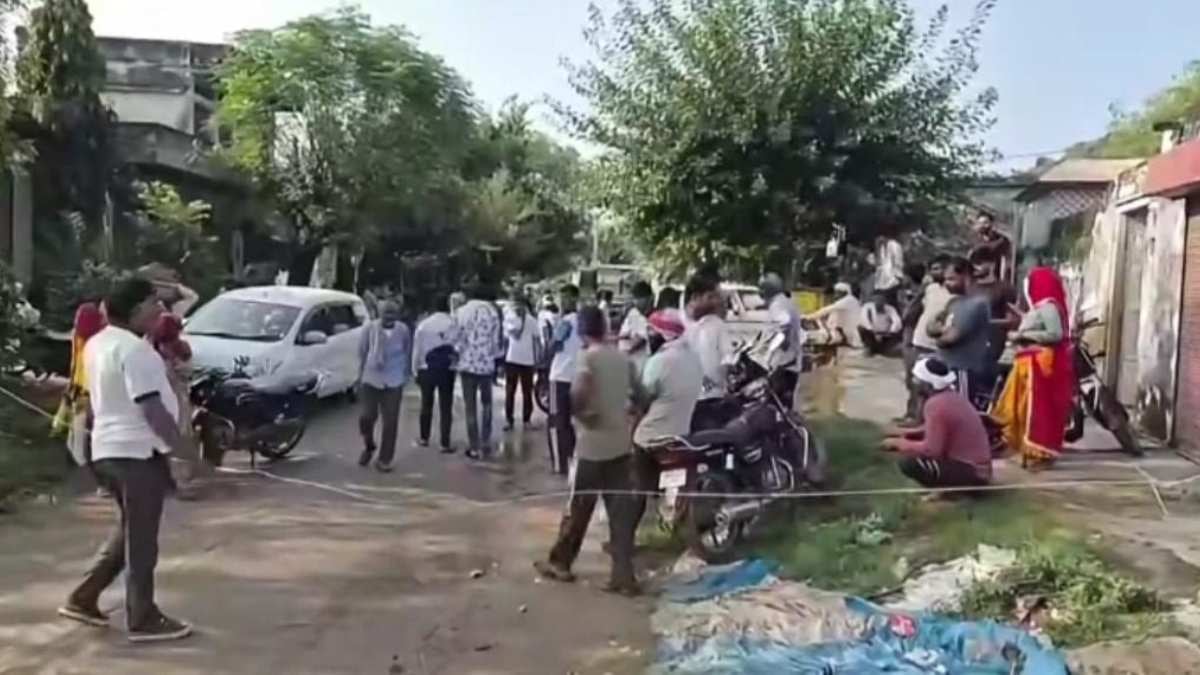
On Friday morning, an unexpected and alarming electrical catastrophe struck Bahramkabas village, located within the Bansur administrative region of the Kotputli-Behror district. Without any prior warning, a massive surge of high-voltage electricity coursed directly into residential households, catching unsuspecting families completely off guard and instilling widespread terror across the entire neighborhood.
This shocking incident underscores persistent systemic concerns regarding local power distribution infrastructure, transformer maintenance, and safety protocols overseen by the regional electricity supply agencies. Incidents involving erratic voltage fluctuations have historically plagued rural and semi-urban settlements across the district, yet proactive preventive measures by utility providers have frequently fallen short of safeguarding civilian lives.
In the immediate aftermath of Friday's surge, the destructive electrical current inflicted severe physical injuries upon exactly four individuals, all belonging to the same domestic household. The suddenness of the electrical shock left victims struggling for immediate medical stabilization, while neighbors rushed to disconnect main power supplies to prevent further casualties within the affected residential compound.
The profound gravity of the accident galvanized the local community into immediate collective action, resulting in angry villagers blocking local thoroughfares to protest against perceived administrative apathy. Protesters voiced deep frustration regarding recurrent technical failures in power distribution networks, demanding immediate accountability, transparent investigations, and adequate financial compensation for the injured family members.
Within the broader socioeconomic context of the Kotputli-Behror region, reliable public utility infrastructure remains paramount for domestic safety and local enterprise. Disruptions caused by infrastructure failures not only endanger human lives but also erode public trust in municipal governance and essential service providers operating within the rural hinterlands.
In response to the mounting public unrest and road blockade, local administrative officials and technical teams from the electricity department rushed to the scene to pacify the protestors. Authorities have initiated preliminary inquiries to determine the exact technical malfunction responsible for routing high-voltage current into domestic supply lines rather than regulated transformers.
Moving forward, community leaders and affected residents expect strict technical audits of all local sub-stations and wiring networks to avert similar near-tragedies in the future. The administration faces an urgent imperative to overhaul vulnerable transmission segments, upgrade aging equipment, and ensure absolute safety compliance across every household in Bahramkabas and surrounding villages.